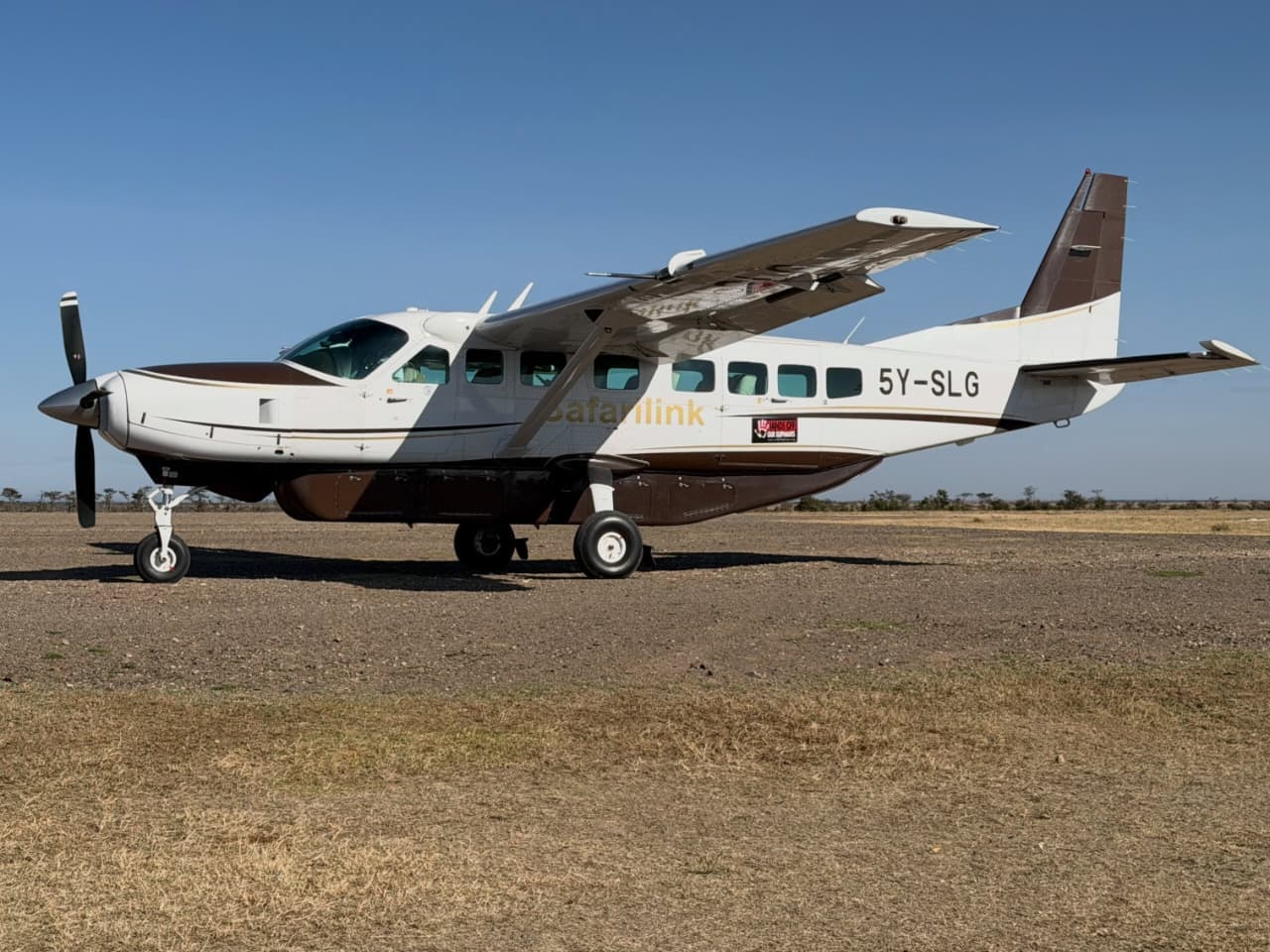
A Kenya fly-in safari uses scheduled light aircraft to connect Nairobi’s Wilson Airport with airstrips in national parks, conservancies and coastal destinations. Flying reduces long road journeys to about an hour in the air, though hotel transfers, check-in, waiting times and stops at other airstrips still affect total travel time.
A fly-in itinerary works for both short trips, such as three days in the Masai Mara, and longer circuits linking several parks. While flights typically cost more than road transfers, they provide more time for game drives, guided walks or relaxation at camp.
Choosing Between Flying and Driving
A Kenya fly-in safari suits travellers with limited time, those visiting remote reserves and anyone who would rather spend more of the trip at camp than travelling between destinations. It can also make multi-region itineraries easier to manage when the parks are far apart.
Your travel style matters, too. If you enjoy seeing the countryside and stopping along the way, you may prefer a road safari. If you want a combination, you can fly between distant regions and travel by road where the distances are shorter.
Safari Flights in Kenya
A typical flight day begins with a transfer from your Nairobi hotel to Wilson Airport. After check-in and security screening, the light aircraft flies to the park or conservancy airstrip. Camp staff meet you on arrival and transfer you to camp, sometimes combining the drive with a short game drive.
Flights to the Masai Mara and Laikipia take about an hour, while Samburu and other northern destinations require one to one-and-a-half hours, depending on the route. Scheduled flights may stop at other airstrips, so confirm the expected journey time for your itinerary.
Most fly-in safaris use scheduled light aircraft on set routes, which may stop at multiple airstrips before reaching your destination.
Game drives may be shared with other guests or arranged privately, depending on the property and package. Road-based safaris typically include a dedicated vehicle and guide for the entire trip.
Fly-In Versus Road Safari
A fly-in safari replaces long road journeys with flights between destinations, but the added flight costs can make the trip more expensive. Road safaris take longer between parks, while flying can shorten those journeys.
Flying still involves ground transfers. You need transport to the airport before departure and from the airstrip to your camp after landing. Scheduled flights follow set routes and may land at other airstrips to pick up or drop off passengers before reaching your destination. Private charters offer more control over departure times and routes, but usually cost more.
When comparing quotations, check which flights and transfers are included, whether game drives are private or shared, and how you will travel between each airstrip and camp. These details affect the total cost and the time available for activities.
Trip Lengths and Combinations
Fly-in trips in Kenya typically fall into three duration ranges.
- Three to four days: Usually focused on the Masai Mara, with two game drives a day.
- Five to seven days: May include a second or third destination, such as Laikipia, Samburu or Amboseli, with one or two internal flights.
- Eight to ten days: Combine several reserves and, in some cases, include add a beach extension on the Kenyan coast.
Kenya fly-in safari packages can be tailored to your preferred park combinations, trip length, accommodation style and travel dates.
Inclusions, Exclusions and Baggage
Inclusions vary by itinerary, so review each quotation carefully. A fly-in package may include accommodation, meals, game drives, airstrip transfers and internal flights. Park fees, conservancy fees, drinks, tips, travel insurance, international flights and optional activities may be included or charged separately.
Optional experiences such as hot air balloon safaris are usually booked in advance and may carry an additional cost.
Most safari flights allow about 15 kg per person in soft-sided bags, including hand luggage and camera equipment. The exact allowance varies by airline and route, so confirm before packing. Hard-sided suitcases may not fit in the aircraft hold, so travelers may need to store them in Nairobi and use a soft-sided bag for safari flights.
FAQs
Can I Combine Flying and Driving on One Safari?
Yes. Many itineraries fly the longest routes and use road transfers for shorter distances. This can reduce cost while still avoiding the longest drives.
Do Fly-In Safaris Include Game Drives?
Usually, yes. Game drives may be shared with other guests at camp or arranged privately, depending on the property and package. Confirm this when comparing quotations.
Are Safari Flights Private or Shared?
Most fly-in safaris use scheduled light aircraft shared with other travelers. These flights may stop at more than one airstrip. Private charters are available but cost extra.
What Luggage Should I Pack for a Safari Flight?
Use a soft-sided bag and aim for about 15 kg including hand luggage and camera equipment. Confirm your airline and route allowance before packing.
Choose Your Fly-In Safari Route
Let us know your preferred destinations, trip duration, and safari priorities. Our safari planning team will recommend a fly-in, road-based or mixed itinerary, along with camp options for each stage of your journey.
Book a safari in Kenya.