



11NOV
Halo Safaris & DMC Nominated for Best DMC in Kenya
Discover what Halo Safaris & DMC’s Golden Tree Award nominations mean for travelers and partners, and learn about our years of safari expertise in Kenya.
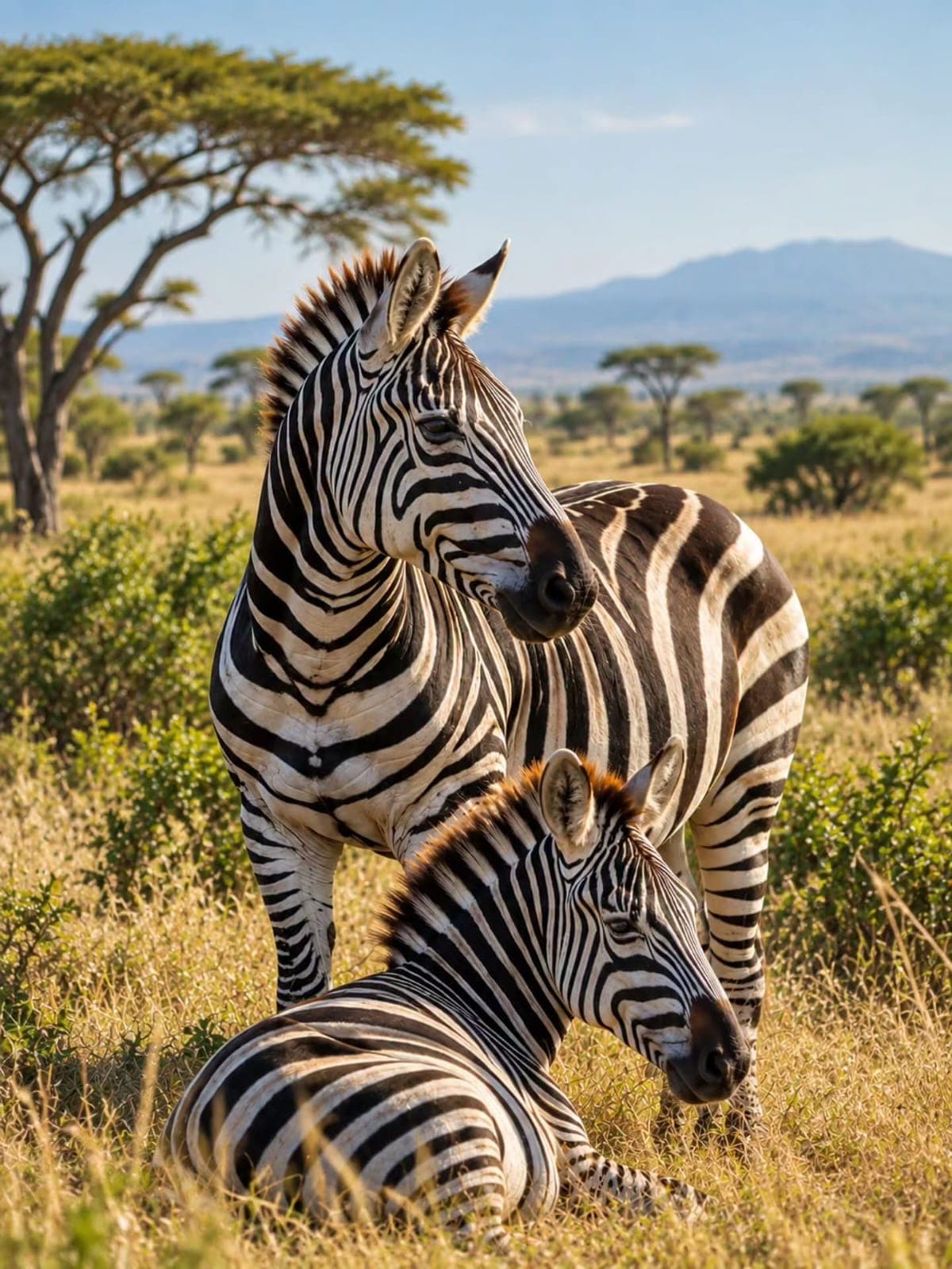
Planning a safari with children requires a different approach than traveling as a couple or solo. A family safari in Kenya should prioritize shorter game drives, child-friendly accommodation, downtime and a route that matches your children’s ages and energy levels.
For many parents, a family vacation in Kenya comes down to choosing family-friendly parks, deciding how long to travel, setting a budget and planning around health and safety.
Each park varies in drive time from Nairobi and offers a different pace on arrival. These factors matter especially when traveling with children.
Diani and Watamu offer coastal beach options, while Zanzibar, the Seychelles or Mauritius can extend your trip into a multi-country holiday. Most family-friendly safaris in Kenya combine two or three regions rather than trying to visit them all.
Plan the trip length around available time, the school calendar and your children’s stamina. A shorter trip can work if it focuses on one safari area and gives everyone time to settle in.
For a seven- to nine-day family safari, select one safari area, such as Amboseli with Lake Nakuru or the Masai Mara and add several nights at the coast. This keeps transfers manageable and allows children time to relax between safari days.
For 10- to 14-day trips, consider adding a second safari region and a longer coastal stay. This suits families seeking a balance of wildlife, beach time and slower-paced days.
Trips longer than 14 days can include an island extension or a remote park such as Samburu or Tsavo. These options add variety but require longer transfers and more time away from routine.
Many families plan family safaris around school breaks. Book six to twelve months in advance for peak periods in July, August and December.
Accommodation is as important as park selection. Choose child-friendly camps or lodges with family rooms or adjoining tents, pools, flexible meal times and space to rest between game drives. Some also offer children’s activities or junior ranger programs.
Minimum ages, game-drive rules and family-room availability differ by camp, so confirm these details before booking. A family-friendly safari in Kenya does not require luxury. The right accommodation can make it more comfortable by providing space, rest and flexibility for everyone.
Logistics become more important when traveling with children, especially transfer times and medical coverage.
Your budget affects your daily experience, not just accommodation.
Costs typically depend on camp level, park and conservancy fees, internal flights, vehicle type, and the number of rooms needed. For families, sharing a private vehicle often provides better value than booking separate seats on shared drives.
Many families combine one or two higher-end safari properties with a more relaxed coastal lodge. You can customize Kenya family safari packages this way, whether you are planning a short Kenya family vacation or a longer, multi-park trip.
Share with us your school holiday dates, your children’s ages, and how many nights you would like on safari and at the coast. We will recommend parks, camps and a route that match your family’s pace, then work with you to refine the itinerary.
Book your safari in Kenya with us.
A destination specialist will respond within one business day with a tailored proposal.
Discover what Halo Safaris & DMC’s Golden Tree Award nominations mean for travelers and partners, and learn about our years of safari expertise in Kenya.
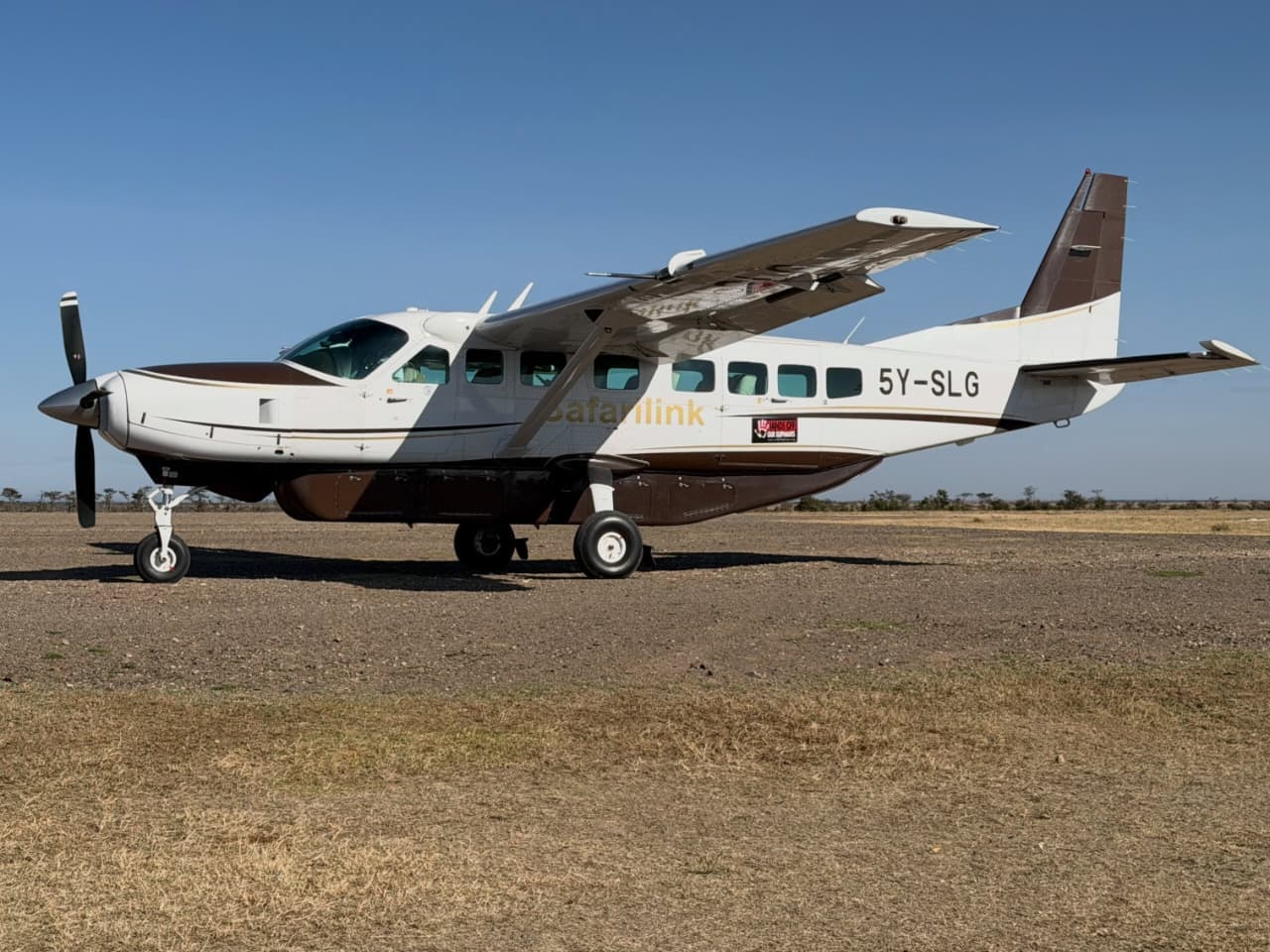
A fly-in safari in Kenya provides a direct link between Nairobi's Wilson Airport (WIL) and bush airstrips in the Maasai Mara, Samburu, Laikipia, and Amboseli through scheduled light aircraft, reducing journeys that normally take five to eight hours by means of flights lasting 45 to 90 minutes. Flying increases the amount of time available for game drives and helps to reduce travel fatigue, but the itineraries have to follow strict luggage limits of 15kg per person for soft-sided bags. Compare fly-versus-drive itineraries, the package inclusions listed item by item, the aircraft's baggage rules, and the private charter alternatives.

As of October 6, 2026, non-Kenyan visitors staying under 12 months must hold mandatory travel health insurance issued under the government-approved scheme. Costing $44 plus processing fees (totaling ~$52 per traveler), the policy provides a $50,000 minimum cumulative coverage limit for medical emergencies, hospitalization, and evacuation. Read this guide to understand ETA portal blocking rules, proof of coverage requirements, foreign policy exceptions, and step-by-step purchase instructions.