




11NOV
Halo Safaris & DMC Nominated for Best DMC in Kenya
Discover what Halo Safaris & DMC’s Golden Tree Award nominations mean for travelers and partners, and learn about our years of safari expertise in Kenya.

A Kenya honeymoon safari combines wildlife viewing with private romantic accommodations and time to relax on the coast or an island. The key planning decision is how to divide your time: one safari region with a longer beach stay or two safari regions with fewer nights by the sea. Fly-in transfers can reduce travel time, but flight routes, schedules, and luggage limits may still affect your itinerary.
Kenya’s diverse landscapes make this combination easy to achieve. You can wake up on the plains of the Masai Mara, spend time in Laikipia's forested hills and end your trip on Diani's palm-lined beaches. The right itinerary depends on whether you prefer more time on game drives, varied wildlife habitats, or extended days by the sea.
A Kenya honeymoon can range from one week to several weeks, and the duration will shape your daily experience.
Many couples begin with four to seven nights on safari and add three to six nights on the coast. You can adjust this split based on your total time and budget.
Several experiences set a Kenya honeymoon safari apart from a standard safari.
The right experiences depend on your preferences as a couple. A private vehicle offers greater flexibility during game drives, while a special dinner or star-bed night can make an evening memorable. Balloon flights, sleep-outs and private dining may cost extra or require advance booking, so prioritize the experiences that matter most and include them in your budget.
Kenya honeymoon itineraries cover several regions, each suited to a different travel style.
This overview serves as a starting point. The right combination depends on your available time, wildlife interests, and whether you prefer a more active or relaxed honeymoon.
Your budget depends more on camp category, season, length of stay, private or shared game drives, internal flights, park and conservancy fees, meals and optional experiences than on the destination alone.
You do not need to select the same comfort level for every part of your trip. Pairing a higher-end safari camp with a moderately priced beach hotel or vice versa lets you allocate more of your budget to the experiences that matter most.
The season affects both wildlife viewing and coastal conditions. Plan your travel dates according to your priorities.
The long rains in April and May and the shorter rains in November can make roads harder to navigate and coastal weather less predictable, so they are generally less favourable for a first Kenya honeymoon. Migration timing varies each year, so we can't guarantee river crossings for a specific week.
Tell us your travel dates, approximate budget, and the balance you want between wildlife, beach time, and romance. We will recommend safari regions, camp styles and coastal destinations, then shape an itinerary around your available time.
Book a safari in Kenya.
A destination specialist will respond within one business day with a tailored proposal.
Discover what Halo Safaris & DMC’s Golden Tree Award nominations mean for travelers and partners, and learn about our years of safari expertise in Kenya.
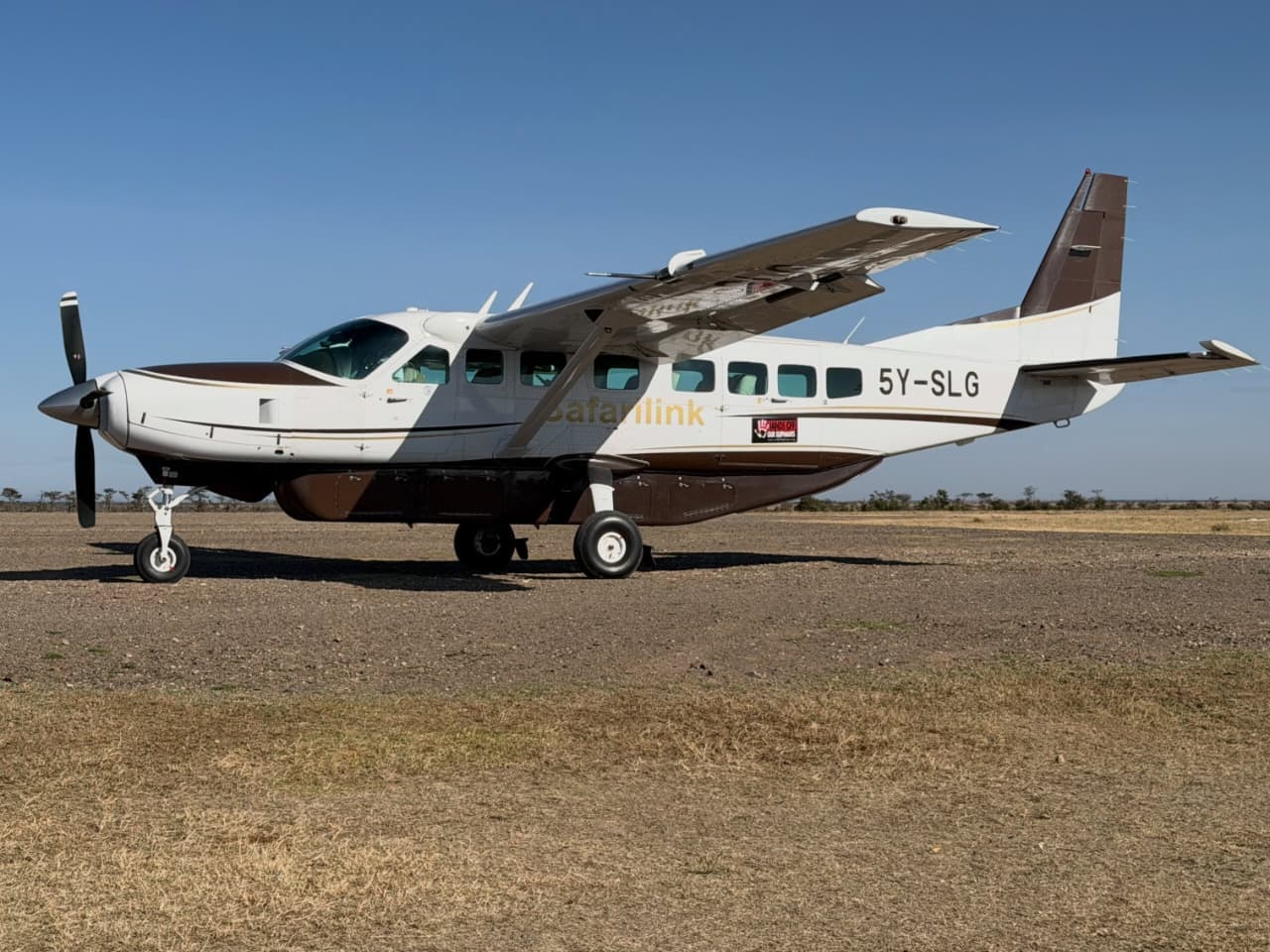
A fly-in safari in Kenya provides a direct link between Nairobi's Wilson Airport (WIL) and bush airstrips in the Maasai Mara, Samburu, Laikipia, and Amboseli through scheduled light aircraft, reducing journeys that normally take five to eight hours by means of flights lasting 45 to 90 minutes. Flying increases the amount of time available for game drives and helps to reduce travel fatigue, but the itineraries have to follow strict luggage limits of 15kg per person for soft-sided bags. Compare fly-versus-drive itineraries, the package inclusions listed item by item, the aircraft's baggage rules, and the private charter alternatives.

As of October 6, 2026, non-Kenyan visitors staying under 12 months must hold mandatory travel health insurance issued under the government-approved scheme. Costing $44 plus processing fees (totaling ~$52 per traveler), the policy provides a $50,000 minimum cumulative coverage limit for medical emergencies, hospitalization, and evacuation. Read this guide to understand ETA portal blocking rules, proof of coverage requirements, foreign policy exceptions, and step-by-step purchase instructions.