



11NOV
Halo Safaris & DMC Nominated for Best DMC in Kenya
Discover what Halo Safaris & DMC’s Golden Tree Award nominations mean for travelers and partners, and learn about our years of safari expertise in Kenya.
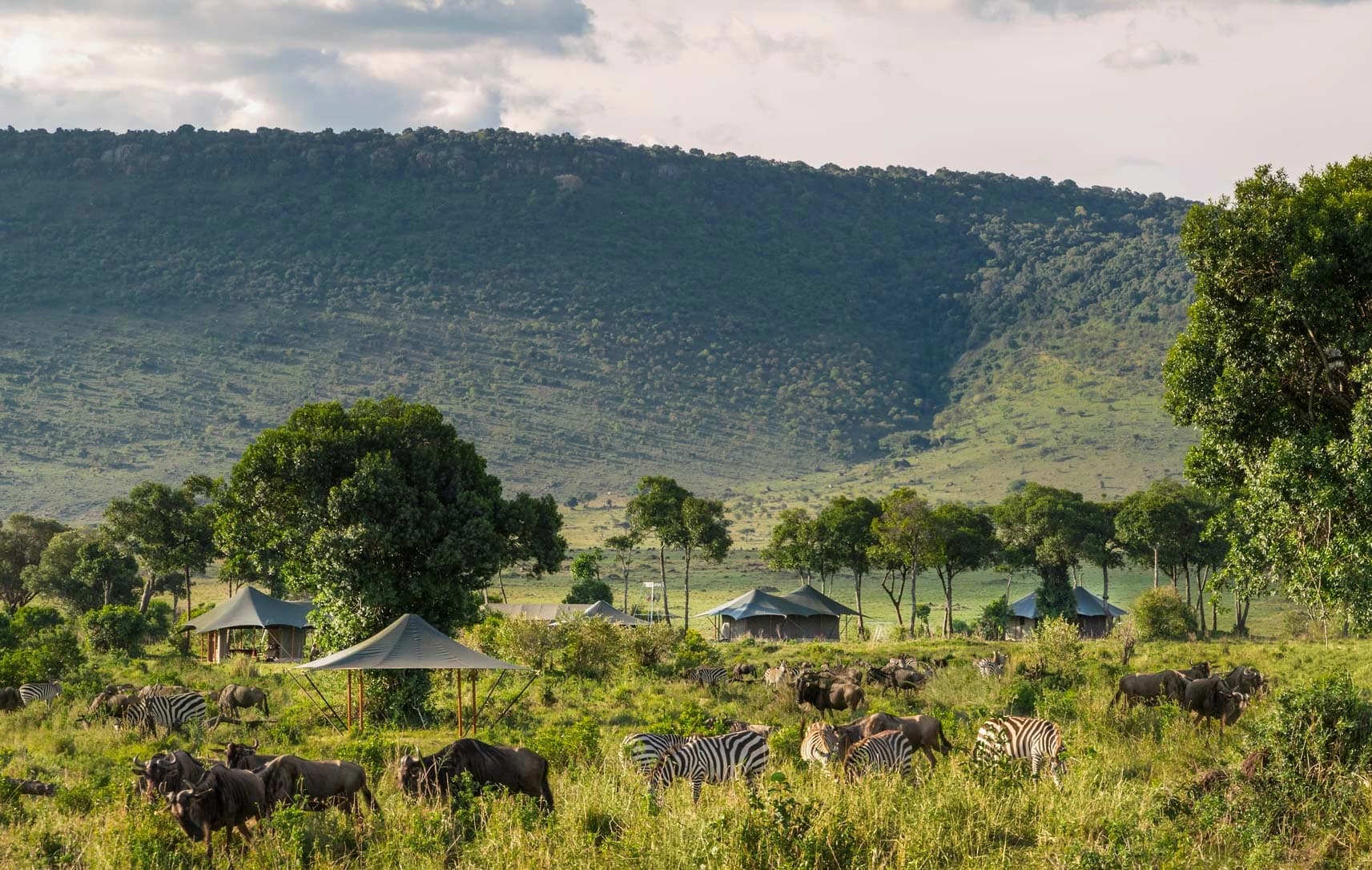
Masai Mara safari costs depend on your camp choice, travel dates, reserve or conservancy fees, and transport. Rates start at about $150 per person per night for basic camps and can exceed $1,500 per person per night at premium conservancy lodges. Check whether your quoted rate includes conservation fees, meals, game drives, transfers and taxes.
Reserve fees may not be included in accommodation rates and usually increase from July to December. This guide details costs by tier, season and package length, including separately quoted fees.
A Masai Mara safari typically costs between $150 and $1,500 or more per person per day. The range depends on accommodation type, number of game drives included and whether park or conservancy fees are billed separately or bundled into your rate.
| Tier | Indicative Rate* | Typical Stay |
|---|---|---|
| Budget | $150–$250 | Basic tented camp, shared game drives |
| Mid-range | $250–$450 | En-suite tented camp, meals and game drives |
| Luxury | $450–$800 | Boutique lodge or conservancy camp, upgraded service |
| Ultra-luxury | $800–$1,500+ | Exclusive camp or villa, private guide and premium activities |
Rates are indicative and vary by camp, season and inclusions. They may exclude reserve or conservancy fees, transfers, taxes, drinks and private vehicles.
The Masai Mara safari price may decrease per day on longer trips because transfer and vehicle costs spread across more nights. Reserve or conservancy fees may still apply for each charged day or night.
The national reserve and private conservancies such as Mara North, Naboisho and Ol Kinyei offer different experiences at a similar overall cost.
The reserve permits more vehicles per sighting, but off-road driving, night drives and walking safaris are not allowed within its boundaries. Conservancies limit the number of beds and vehicles, resulting in a smaller number of vehicles per sighting. Most conservancies also allow off-road driving, night drives and guided walks.
| Feature | Masai Mara National Reserve | Private Conservancy |
|---|---|---|
| Fee structure | Reserve-entry fee is commonly quoted separately from accommodation | Conservancy or community fee may be included in, or added to, the camp rate |
| Vehicle density | Can be higher at major sightings | Often lower because bed and vehicle numbers may be controlled |
| Off-road driving | Not permitted | Permitted in many conservancies, subject to local rules |
| Night drives | Not permitted | Available in many conservancies, subject to local rules |
| Guided walks | Not a standard reserve activity | Available at selected properties with qualified guides |
| Best comparison method | Add entry fees, lodge costs, transport and game-drive arrangements | Add camp rate, conservancy fee, transfers, activities and any flights |
For a first Masai Mara trip, consider splitting your stay between the reserve and a conservancy to experience both. This choice can affect your total Masai Mara cost more than the entry fee alone.
Three-day group trips may be advertised for under $600 before reserve fees. A realistic full board non-resident budget is typically $250 or more from January to June and higher from July to December. Luxury fly-in trips cost significantly more.
Packages may include accommodation, meals, game drives, a guide and transport, but reserve fees are often extra. Flights, drinks, tips and optional activities may also cost extra.
Driving from Nairobi takes about five to six hours each way. A three-day road trip gives you about one and a half full days in the reserve after travel time. Flying is faster but more expensive, allowing more time in the reserve for the same number of nights.
Camps charge their highest rates from July to October during the migration, because it’s peak season.
Shoulder season, from January to March and November, offers lower rates, good game viewing and fewer vehicles at sightings. Low season, from April to June, features the lowest camp rates though some camps close during heavy rains.
Booking during shoulder or low season will reduce your Masai Mara safari cost compared to peak season rates at the same camp. Wildlife is present year-round, though the experience varies by season.
Most quotes do not include tips for your driver-guide and camp staff. Hot air balloon safaris are optional add-ons. Maasai village visits also carry an additional fee.
Safari packages do not include travel insurance. Many camps also charge separately for drinks other than water and standard soft drinks.
At Halo Safaris & DMC, we specifically state what your package includes so you know what you are paying for and what to expect..
Travelling during shoulder or low season can reduce both camp rates and park fees. Booking directly with a Kenya-based operator will also lower your Masai Mara safari price by eliminating intermediary margins.
Group travel spreads the cost of a private vehicle and driver-guide among more people. Selecting a budget or mid-range camp can provide good value.
Request an itemized Masai Mara safari package price breakdown from us today. This allows you to see exactly what you are paying for park fees, accommodation, transport and which adjustments can be made.
Ready for an itemized Masai Mara safari quote? Please send your travel dates, group size, preferred camp style and whether you prefer road or fly-in travel. We will provide a precise breakdown of accommodation, reserve or conservancy fees, transport, game drives and optional activities so you can compare the total cost before booking.
Turn this editorial dispatch into your next adventure with our curated expeditions and sanctuaries.
A destination specialist will respond within one business day with a tailored proposal.
Discover what Halo Safaris & DMC’s Golden Tree Award nominations mean for travelers and partners, and learn about our years of safari expertise in Kenya.
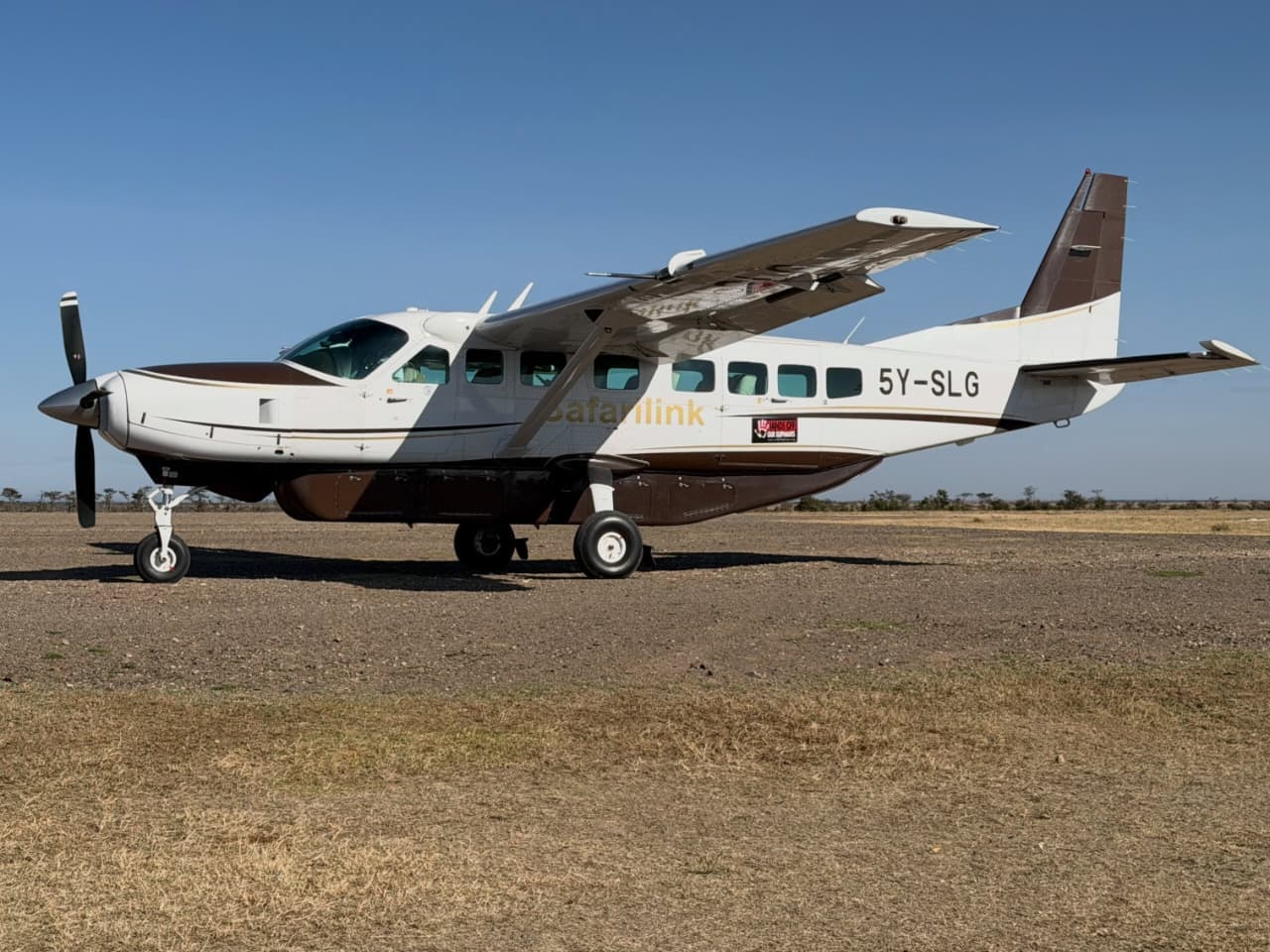
A fly-in safari in Kenya provides a direct link between Nairobi's Wilson Airport (WIL) and bush airstrips in the Maasai Mara, Samburu, Laikipia, and Amboseli through scheduled light aircraft, reducing journeys that normally take five to eight hours by means of flights lasting 45 to 90 minutes. Flying increases the amount of time available for game drives and helps to reduce travel fatigue, but the itineraries have to follow strict luggage limits of 15kg per person for soft-sided bags. Compare fly-versus-drive itineraries, the package inclusions listed item by item, the aircraft's baggage rules, and the private charter alternatives.
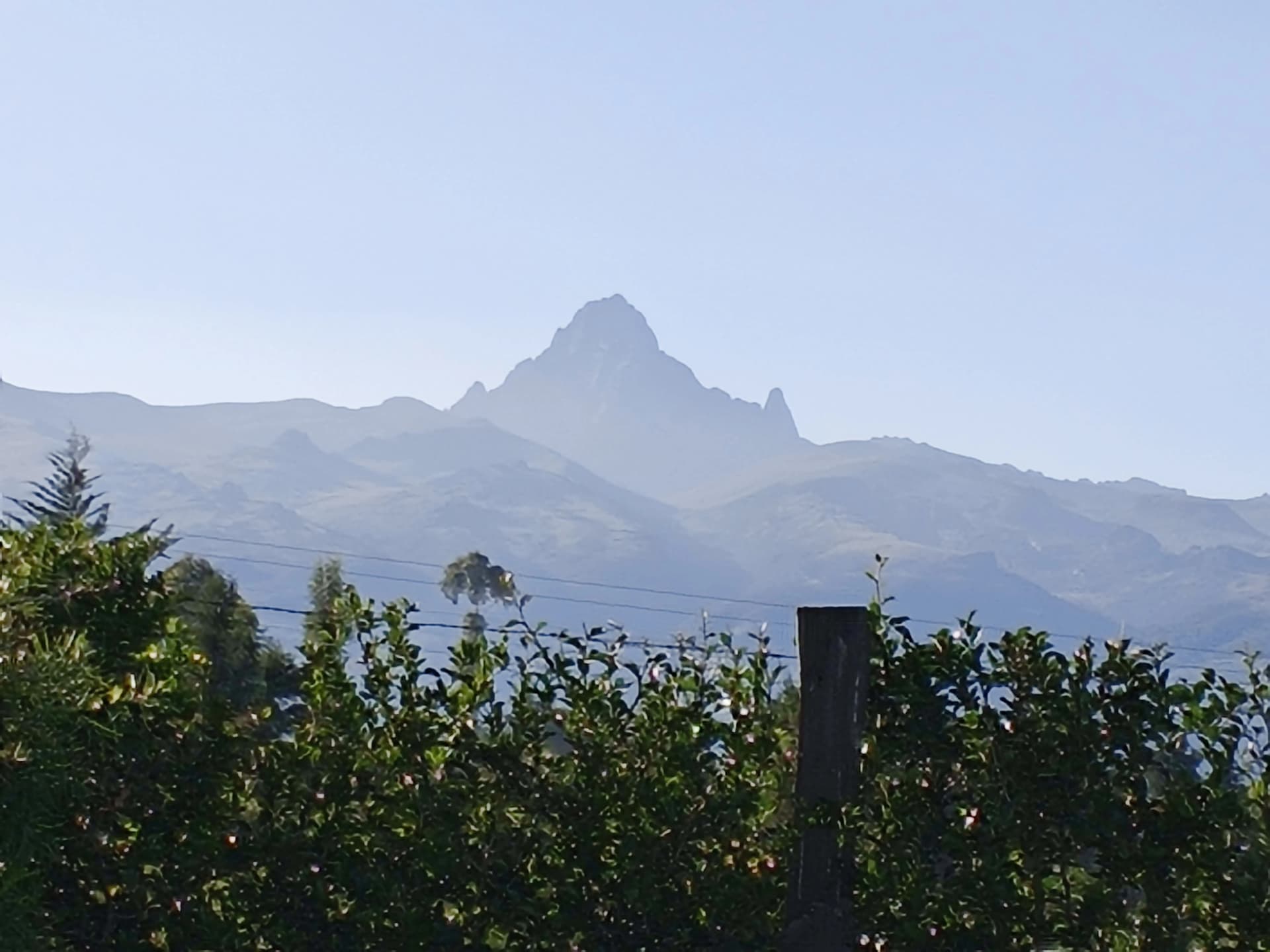
As of October 6, 2026, non-Kenyan visitors staying under 12 months must hold mandatory travel health insurance issued under the government-approved scheme. Costing $44 plus processing fees (totaling ~$52 per traveler), the policy provides a $50,000 minimum cumulative coverage limit for medical emergencies, hospitalization, and evacuation. Read this guide to understand ETA portal blocking rules, proof of coverage requirements, foreign policy exceptions, and step-by-step purchase instructions.