


Soysambu Conservancy
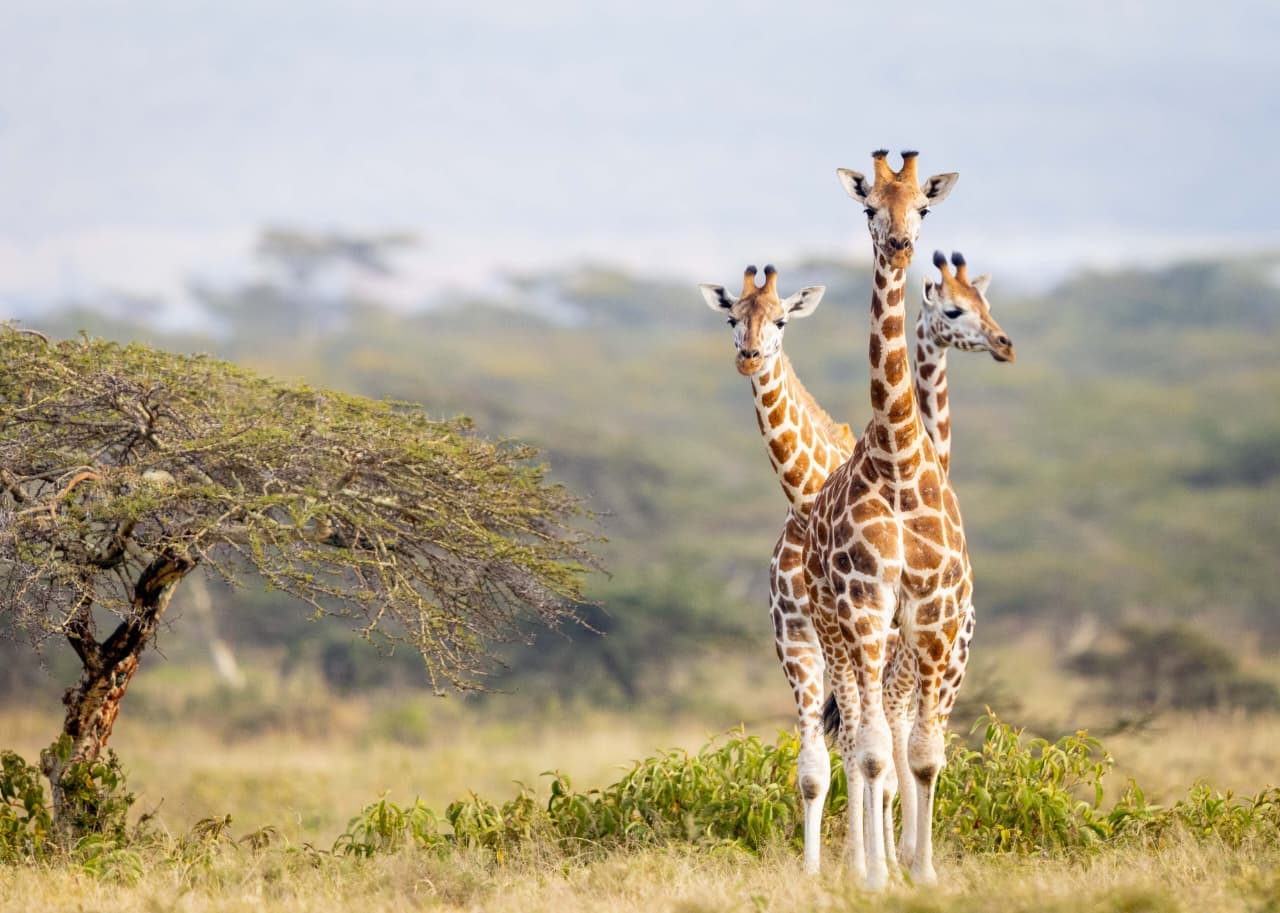
Soysambu Conservancy is one of the most rewarding places in Kenya to experience a mix of wildlife viewing, scenery, and birdlife of the Great Rift Valley. On the shores of Lake Elementaita, you have giraffes moving through the acacia woodland, pelicans breeding on the protected islands, and guided drives taking you along quiet tracks down through the volcanic hills.
Soysambu is the place for birdwatchers, photographers and families looking for a relaxed private conservancy stay between Nairobi and Lake Nakuru.
Brief history
The landscape has a very long human history, with archaeological evidence from the wider Rift Valley and evidence of early occupation on the estate itself. In 1905, Lord Delamere acquired land at Soysambu, which became a very substantial ranch during the colonial period in Kenya. The Maasai history of the area is of course very significant too.
Soysambu Conservancy was set up in 2007 to protect wildlife habitat whilst still allowing for some of the working ranch. The conservancy currently has some 48,000 acres, which it describes as being dedicated to conservation and sustainable use. That work is underpinned by wildlife monitoring, tourism and community partnerships.
Where it is found
Soysambu is in Nakuru County, Kenya, on the northern and western shores of Lake Elementaita. Lake Nakuru National Park is to the west and the Eburru volcanic hills run to the south. The route from Nairobi is via the A104 towards Nakuru.
Lake Elementaita is one of the lakes that make up the UNESCO World Heritage-listed Kenya Lake System in the Great Rift Valley, with the other two being lakes Nakuru and Bogoria. It is also a designated Ramsar site. The UNESCO listing does not in itself cover the whole of the conservancy.
How to get there
Road travel is the simplest of the three:
- From Nairobi: take the A104 towards Nakuru. The distance from Jomo Kenyatta International Airport to the main gate is about 150km (93 miles), taking approximately three hours to drive. Allow plenty of time for traffic and stops.
- From Nakuru: the main gate is about 30km to the southeast of town. Transfers will be arranged depending on where you are staying.
- By private safari vehicle: A 4x4 Land-Cruiser is ideal for scheduled game drives.
Highlights of the Conservancy
- Nubian (Rothschild's) giraffes: They are absolutely a great photo subject.
- Lake Elementaita birdlife: Over 450 species have been recorded in Soysambu (flamingos, pelicans, raptors, and a range of migratory waterbirds).
- Great white pelican breeding habitat: Nesting islands must be viewed from a distance and with respect.
- Day and night game drives: During the day, the game is predominantly giraffe, zebra, and antelope. Night drives are obviously the way to go if you're after the more elusive of the nocturnal species.
- Volcanic landscapes: Acacia woodland, rugged lava and views towards the Sleeping Warrior hills. Quite a distinct sense of place, actually.
- Activities other than the vehicle (subject to availability): Guided walks, horse riding, cycling and scenic sundowners via approved providers.
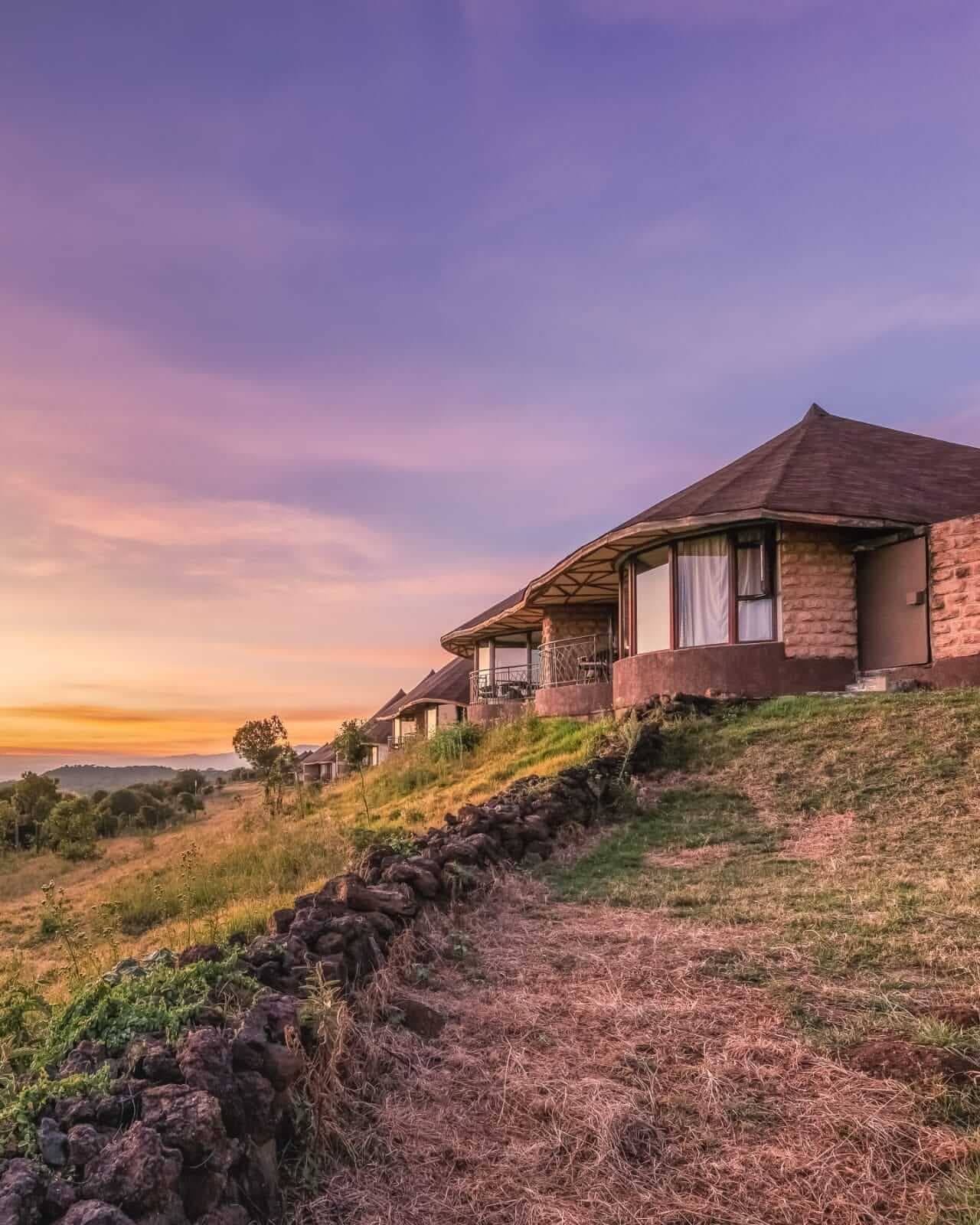
- Intimate lakeside accommodation: There are a number of small luxury camps and other accommodation options in the area, making Soysambu a good place for a restorative one- or two-night stop.
Airstrips
Soysambu's official access guidance lists three airstrips:
- Kasambara Airstrip, near the main gate and Lake Elementaita
- Head Office Airstrip, in the central conservancy area
- Congreve Airstrip, heading towards Mbweha and Lake Nakuru National Park.
Main attraction
Soysambu's classic experience is the combination of the rare Rothschild's giraffe with the lake's superb birdlife. The Rothschild's are now generally considered to be a subspecies of the Nubian giraffe and can be seen in the acacia trees and open grassland. The October 2025 monitoring count was 95 males, 84 females, and 20 juveniles.
Lake Elementaita has both the greater and the lesser flamingo, with the numbers of each species varying according to the state of the water and the availability of food. The great white pelican is another good subject, particularly when they're all congregated around the breeding islands. Binoculars and a telephoto lens are definitely worth bringing.
Beyond the birds and the giraffes, there are zebras, buffalo, eland, waterbuck, various species of gazelle, hyenas, leopards, and a small number of lions. Predators are possible rather than certain.
Major benefits of the conservancy
A more relaxed pace
The private conservancy environment is ideal for patient guiding, long stops for photography and simply taking in the smaller wildlife. Perfect for those who are as much interested in the scenery as they are in the sightings.
Experiences which are different from the standard national park offering
Night drives, authorised guided walks and horseback rides can be arranged to augment the standard daytime game drive. Not all experiences run every day so it is essential to book specialist experiences in advance.
Good options for a Rift Valley itinerary
You could do one or two nights at Lake Elementaita and then head to Lake Nakuru, Naivasha or a longer Kenya safari. Don't go in with a very tight itinerary.
Accommodation options
Lake Elementaita Serena Camp, a luxury tented camp within Soysambu. The conservancy also has Mbweha Camp and a number of campsites.
Responsible tourism
- Lake Elementaita is a sensitive wetland, and Soysambu has very clear visitor rules. Speeds must be kept at 40km/h or below; you must stay on the tracks, and you must never chase or feed the animals.
- When you get out of your vehicle or camp to walk you must do so with an authorised guide or a KWS ranger as instructed.
- Do not swim, wade, boat or ride in Lake Elementaita as this protects the nesting birds.
- Observe the pelicans from the designated viewing areas and be quiet when near the wildlife.
- Do not take litter, do not go around picking up plants or firewood, and always ask for permission before taking photographs of local people.
- Use experienced guides and accommodation that are in turn contributing to giraffe monitoring, wetland conservation and local employment.
Conservancy fee
The official Soysambu fee page currently has a US$50 conservation contribution for non-resident adults and teenagers and US$25 for non-resident children under 12.
Explore Soysambu with Halo Safaris & DMC
Request a personalized Lake Elementaita itinerary with private transfers, suitable luxury accommodation, guided birdwatching, and a transparent breakdown of conservancy fees and optional activities.
Park Overview
Camps and lodges in Lake Nakuru Safari in Kenya’s Great Rift Valley.
Lake Nakuru Sopa Lodge
Picture yourself waking up in a huge African landscape with the morning light covering Lake Nakuru and the hills around it. Located above the national park, Lake Nakuru Sopa Lodge provides a pleasant mix of scenic views, comfortable lodging, and worthwhile wildlife encounters.The safari does not end with the game drives. You can have breakfast with a view of the lake, spend the afternoon next to the infinity pool, or watch the Rift Valley landscape change colours at sunset.The lodge is an ideal starting point for couples, families, and people who are interested in wildlife if they want to visit one of Kenya's well-known rhino sanctuaries.Take the opportunity to discover our Kenya safari packages by adding this beautiful property to your personalized safari.Location and Setting: A Hilltop Retreat Above Lake NakuruThe lodge is situated in an elevated location in Lake Nakuru National Park, with views of the alkaline lake, the wooded grasslands, and the escarpment surrounding the area.The fact that it is situated on a hillside gives rise to a calm atmosphere, removing one from the more crowded sections of the park. The main feature here is the magnificent view, even though it is necessary to drive some extra distance in order to reach certain wildlife-viewing areas.How to get thereThe lodge is about 165 kilometres (103 miles) from Nairobi, then approximately 21 kilometres (13 miles) on park roads.Plan on spending about three to four hours travelling by road, together with any delays caused by traffic, the park procedures, and the stops.There are a number of entrances in the park, such as the Main Gate, the Lanet Gate, and the Nderit Gate, and your driver-guide will choose the most appropriate one.We can arrange collection from Jomo Kenyatta International Airport (JKIA), a Nairobi hotel, or another agreed location.Accommodation and Room OptionsFollowing an exciting day out on safari, the large rooms at the lodge offer a pleasant place to retreat.The property includes 60 guest rooms, two of which are wheelchair accessible. The interior features comfortable furnishings together with large windows offering attractive views of the surrounding landscape.Private balconies are found in a number of rooms, so that guests can appreciate the fresh air and the changing view without having to leave their room.Room arrangementsRooms in double and twin configurations are suitable for couples and friends who are traveling together, while triple rooms can be arranged on request and thus are useful for families or small groups.Some rooms are equipped with en-suite bathrooms, hairdryers, telephones, personal minibars, and a turndown service. Please check what facilities are available for the room you have selected.Before making the booking, families should let us know their children's ages and state their preferred sleeping arrangements.If accessible accommodation is needed, then you should ask for one of the rooms designated for this purpose. The property is situated on sloping land, so access paths and the arrangement of the bathrooms should be considered in advance.Facilities and AmenitiesOne of the most attractive features of the lodge is the infinity swimming pool, which, situated over the lake, offers a pleasant atmosphere for relaxing between game drives.Outdoor terraces are available in the lounge, bar, and restaurant, thus bringing the remarkable landscape into ordinary lodge life.Additional facilities include:Wi-Fi in public areasGift shop and laundry servicesBoard games and leisure spacesGuest parkingA boardroom accommodating approximately ten participantsBabysitting and children's dining optionsMassage treatments can be arranged upon request, provided that they are confirmed. The lodge has likewise put up advertisements for archery and other recreational activities.It has not yet been confirmed that the hotel has a dedicated gym and a full-service spa, so anyone who needs these facilities should ask before making a booking.Dining at Lake Nakuru Sopa LodgeIt seems especially special to dine when the beautiful Rift Valley is in the background.The restaurant has a variety of African and international food, and guests are able to have their meals in an indoor setting or on the outdoor terraces if the conditions allow.Breakfast is arranged to prepare travelers for their morning game drives, and lunch is provided as a pleasant pause before the afternoon excursions.Dinner is a good chance to relax and talk about the stories from throughout the day concerning wildlife encounters.Depending on the type of reservation, the meal plans can consist of bed and breakfast, half board, or full board.Special dietary needs, including being vegetarian, can be arranged in advance. People who have food allergies should state their specific requirements before they arrive.Packed meals, sundowners, and bush dining experiences can also be arranged where they are available and allowed. It is necessary to find out about any extra charges in advance.Activities and Wildlife ExperiencesGame drives and rhino encountersThere are excellent opportunities to see the diverse wildlife in Kenya at Lake Nakuru National Park.The park plays a special role in the conservation of black and white rhinoceroses and also has among its inhabitants Rothschild's giraffes, buffaloes, zebras, waterbucks, and a number of antelope species.Lions and leopards are also found in the park, but the number of sightings will vary according to the animals' movements and the conditions.A well-informed driver-guide assists tourists in exploring the various habitats while keeping wildlife observations at a pleasant pace.Flamingos and birdwatchingLake Nakuru's alkaline waters have for a long time provided the algae and other food supplies linked to flamingo populations.You can see both the greater and the lesser flamingos together with pelicans, cormorants, fish eagles, and a variety of woodland birds.The number of flamingos varies depending on changes in the level of the lake, the amount of food available, and the environmental conditions. It is therefore only reasonable to regard the presence of large flocks of pink flamingos as a possibility and not as a certainty.Nature walks and photographyOpportunities to learn about local plants, birds, and the surrounding environment can be taken on guided nature walks.Photographers can make a variety of compositions because of the park's grasslands, wooded areas, lakeshore, and scenic viewpoints.Attractive natural light is usually available in the early morning and in the late afternoon.People who are interested in photography can ask for longer game drives or arrange to stop at appropriate viewpoints. It should not be assumed that dedicated photography hides are available since they are not confirmed facilities.Best Time to StayA visit to Lake Nakuru National Park is accepted all year round.In January and February, the weather is usually fairly dry, which makes conditions suitable for game drives and photography.June through October is also a popular time, since it has cooler temperatures and is often drier.The months with higher rainfall, especially from March to May, result in greener landscapes and see some heavy rain as well; November can also have short periods of rain.Birdwatching is still a rewarding activity throughout the various seasons, even though the types of birds seen and their numbers may change.For anyone who is especially interested in flamingos, the current situation of the lake is more important than any particular month.Family and Child InformationThe lodge is suitable for families who want to go on a wildlife holiday without giving up the everyday comforts.Family visitors can make use of triple room arrangements, children's menus, babysitting services, and the swimming pool.Children of all ages are allowed, but the cost of accommodation will vary according to age and the terms of reservation.Those families who have younger children might prefer short game drives, frequent meal breaks, and some relaxing afternoons at the lodge.Children should continue to have them looked after when they are near the pool and at all times within the wildlife environment.Sustainability and ConservationThe national park around it is vital for the protection of Kenya's endangered rhinos and of its important bird habitats.The lodge is also involved in environmental and community initiatives. This comprises tree planting, the restoration of land, the provision of water to wildlife, and environmental management programmes which are reported by Ecotourism Kenya.In March 2026, the lodge team and the Land & Life Foundation worked with Padmad Kenya on a project concerning menstrual health at Naishi Comprehensive School, the aim of which was to provide education and reusable hygiene kits as support for the local community.You can promote responsible tourism by sticking to the marked roads, not leaving any litter, and respecting the recommended distances when viewing wildlife.Nearby Attractions and Safari ExtensionsLake Nakuru National Park highlightsBaboon Cliff provides panoramic views of the lake and therefore makes it a memorable spot for photography of the landscape.Makalia Falls gives a different view of the park, especially following periods of rainfall.The wildlife scenery available at the lakeshore, in the wooded areas, and on the open grasslands is also different.Beyond Lake NakuruLake Elementaita provides an appealing option for birdwatchers and those who are interested in the scenery of the Rift Valley.Boat trips, the opportunity to walk on Crescent Island, and freshwater scenery are available in Lake Naivasha.If you want to extend your safari, you can combine a visit to Nakuru with trips to the Maasai Mara, Amboseli, Samburu, or Laikipia.A stay at Lake Nakuru Sopa Lodge may also be included as part of a longer Kenya safari, the arrangement ending with a relaxing beach holiday in Diani or Watamu.Plan Your Lake Nakuru Safari with Halo Safaris & DMC TodayDiscover the beauty of Lake Nakuru with an itinerary that has been carefully designed to match your interests.We can handle the accommodation, provide private transfers, organize game drives, and arrange your onward travel, whether you're planning a romantic getaway, a family adventure, or a more extended Kenya wildlife tour.Get a custom safari quotation by providing us with your travel dates, the type of accommodation you prefer, and the number of guests.We will assist in arranging a memorable Kenya safari that includes beautiful scenery, remarkable wildlife, and comfortable travel.
Scenes from Soysambu Conservancy
Frequently Asked Questions
Tell us about the trip.
A destination specialist will respond within one business day with a tailored proposal.
Planning a safari? Use our trip builder to craft a bespoke itinerary instead.