


Maasai Mara National Reserve
Introduction
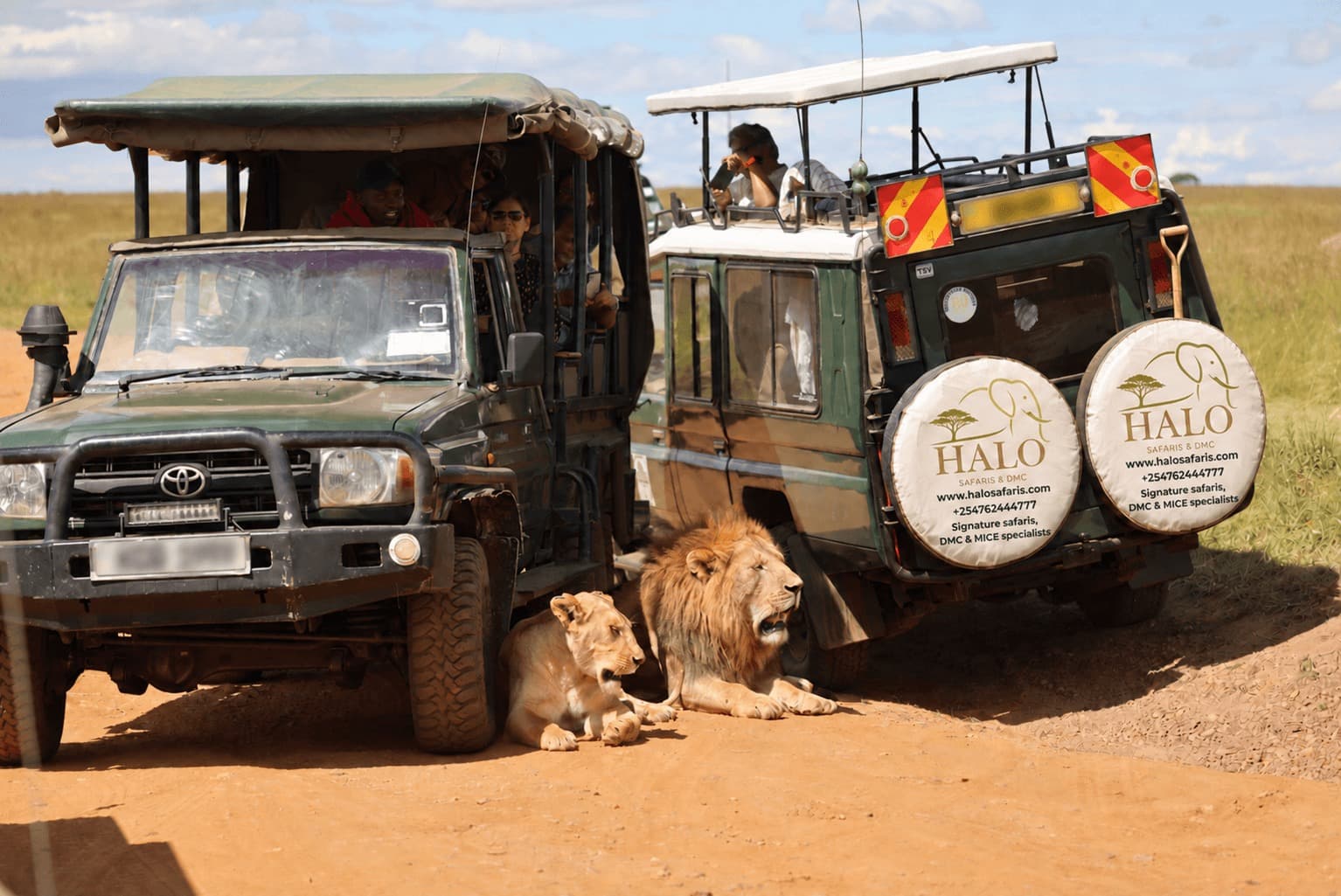
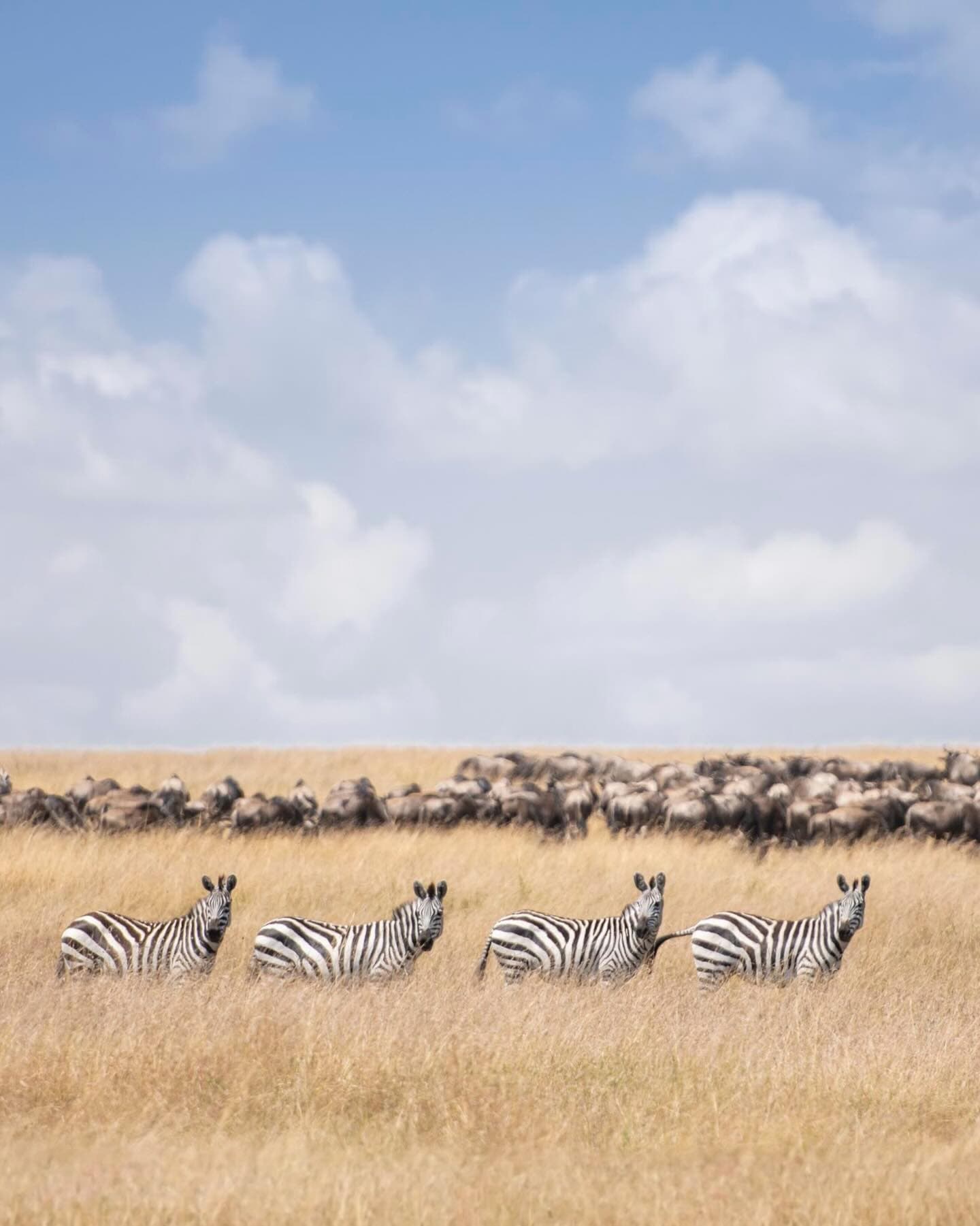
The Maasai Mara National Reserve is Kenya’s best-known safari destination. Its open grasslands, frequent predator sightings, and the famous Great Migration make it special. As part of the Serengeti-Mara ecosystem, you can see big cats, elephants, buffalo, giraffes, zebras, and many other animals all year.
Your experience in the Maasai Mara depends on where you stay and when you visit, from the open plains near Musiara to the Mara River and the western escarpment. At Halo Safaris & DMC, we help you choose the right Maasai Mara safari, whether you want a classic road trip, a luxury Maasai Mara fly-in, or a private conservancy adventure.
Are you planning your dream safari? Are you ready to
discover Kenya’s wild beauty?
Tell us your travel dates, group size, and budget, and we will put together a safari quote just for you.
Size, Location and Brief History
- Size: The Maasai Mara National Reserve covers about 1,510 square kilometers (583 square miles). With nearby private conservancies owned by Maasai families, the whole ecosystem spans over 3,000 square kilometers. You can read more about conservancies here.
- Location: The reserve is in southwestern Kenya, in Narok County, along the Great Rift Valley. It borders Serengeti National Park in Tanzania to the south.
- Nearest Major Towns: Narok Town (approx. 90 km to the northeast) and Sekenani.
- Establishment & History: The Mara was first set up as a wildlife sanctuary in 1961, covering 520 km². It was later expanded and became a Game Reserve in 1961 and again in 1974. Today, management is shared between Narok County Council and the Mara Conservancy. The Narok sector (main reserve) is managed by the County Government of Narok, while the Mara Triangle is managed by Mara Conservancy Limited for the county government.
Various Gates
You can enter the Maasai Mara National Reserve through several official gates around its border. The best gate for you depends on where your lodge is located:
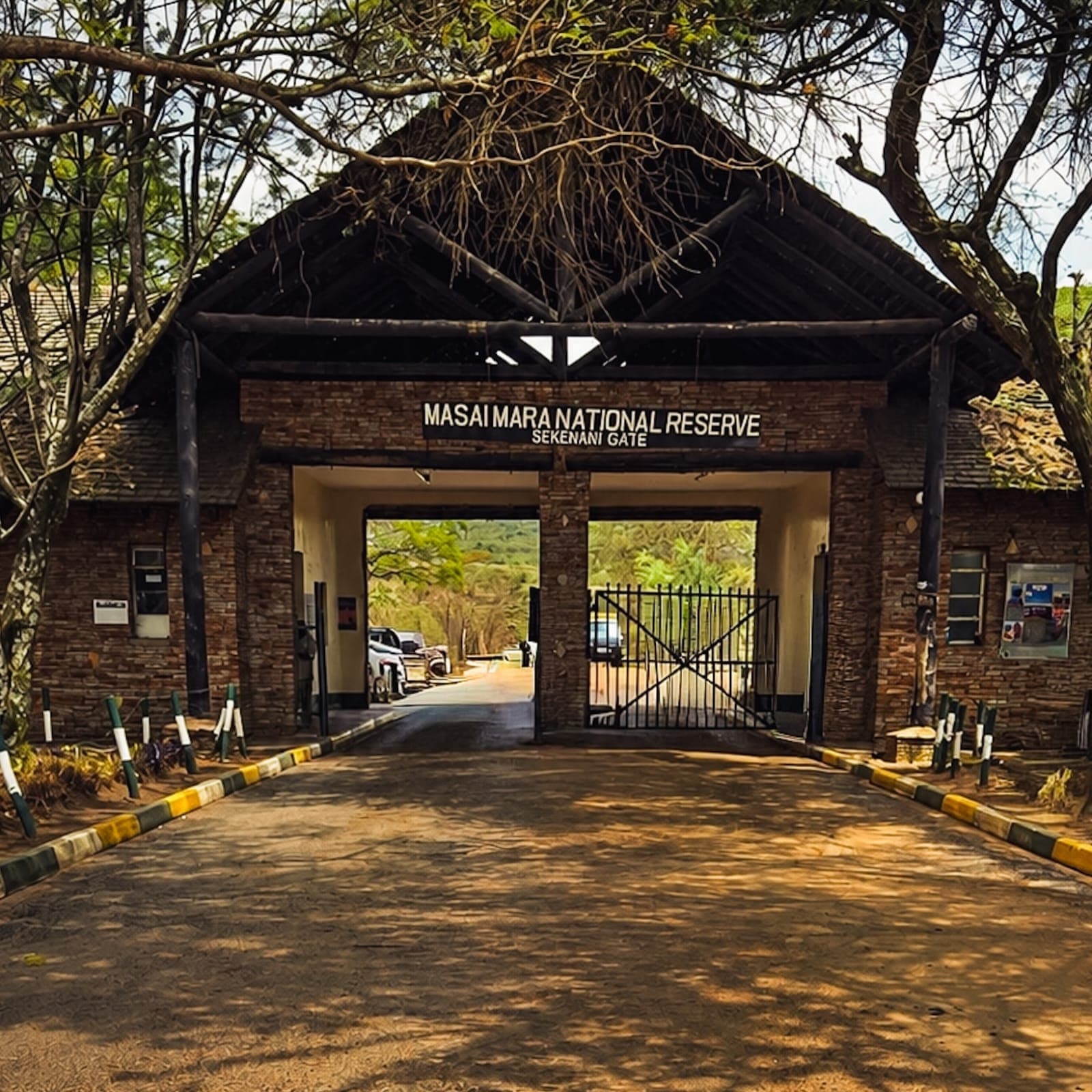
- Sekenani Gate: Located on the eastern border of the reserve, on the outskirts of Sekenani Town. This is the primary access point for travelers arriving by road from Nairobi via Narok. It is ideal for lodges in the eastern central reserve.
- Talek Gate: Found in the north-central part of the reserve near Talek village, this gate sits in the open savannah next to the well-known Talek River, which separates the eastern and western areas of the Maasai Mara.
- Oloolaimutia Gate: This gate is at the far eastern end of the reserve, near Oloolaimutia Town in the hills. It is the main entry point for budget camps and lodges east of the main reserve.
- Musiara Gate: This gate is on the northeastern side of the Maasai Mara, just east of Oloololo Gate and across the Mara River. It serves camps in the northern sector and the well-known marshlands.
- Oloololo Gate: This gate is in the northeastern part of the Maasai Mara, just south of a Mara River tributary. It is the main entrance to the Mara Triangle.
Terrain
The Maasai Mara has a wide variety of landscapes, creating different ecological zones:
- Open Grasslands: Cover the central plain, providing clear views of wildlife grazing and predator-prey interactions.
- Riverine Forests: Lush vegetation along the Mara and Talek Rivers, supplying crucial cover for leopards, elephants, and hippos
- Acacia Woodlands: Scattered across the savannah, these trees create the classic 'out of Africa' look.
- Oloololo Escarpment: This steep cliff marks the western edge of the reserve and offers wide views across the Maasai Mara.
- Kopjes: These are old granite rocks that rise above the plains. Lions and cheetahs often use them as lookout points.
Airstrips
If you choose a fly-in safari, several all-weather airstrips serve different parts of the Mara:
- Keekorok Airstrip (IATA: KEU): located southeast of Maasai Mara National Reserve, giving easy access to Lonwalet Hill and Ol Tukai Hill. Serves lodges such as Keekorok Lodge, Mara Sarova Game Lodge, Sekenani Camp, Mara Sopa Lodge, Mara Topi Safari Lodge
- Mara Serena Airstrip (IATA: MRE): Largest civilian airstrip in the reserve. Serves Mara Serena Safari Lodge and Mara Triangle camps.
- Musiara Airstrip (IATA: MDR): Located in the northernmost region of the reserve. It serves Governor's Camp, Moran Camp, Serian Camp, Little Governor's Camp and Neptune Mara Rianta Camp.
- Ol Kiombo Airstrip (IATA: OLX): Located north of Talek River. Serves Mara Intrepids, Mara Explorer, Fig Tree Camp, Porini Lion Camp
- Kichwa Tembo Airstrip (IATA: KTJ): Located in the northernmost region of the reserve. Serves camps like Kichwa Tembo, Bateleur, and Kilima.
- Ngerende Airstrip (IATA: MSC): Serves clients staying in various camps like Ngerende Island Lodge, Kicheche Mara Camp, Mara Safari Camp, Saruni Camp, Lokoswan Camp, and Richards Camp.
- Olare Orok Airstrip (IATA: OLG): Located within the Olare Motorogi Conservancy to the north of the Reserve. Serves all the lodges and camps within the Orok Conservancy.
- Mara North Airstrip (IATA: HKR): Located inside Mara North Conservancy, serving Kicheche Mara, Saruni Mara and Saruni Wild Camps
- Angama Airstrip (IATA: ANA): Mainly serves Mara Angama Lodge, Mara West Camp
- Ol Seki Airstrip (IATA: OSJ): Located in Naboisho Conservancy
Top Safari Activities
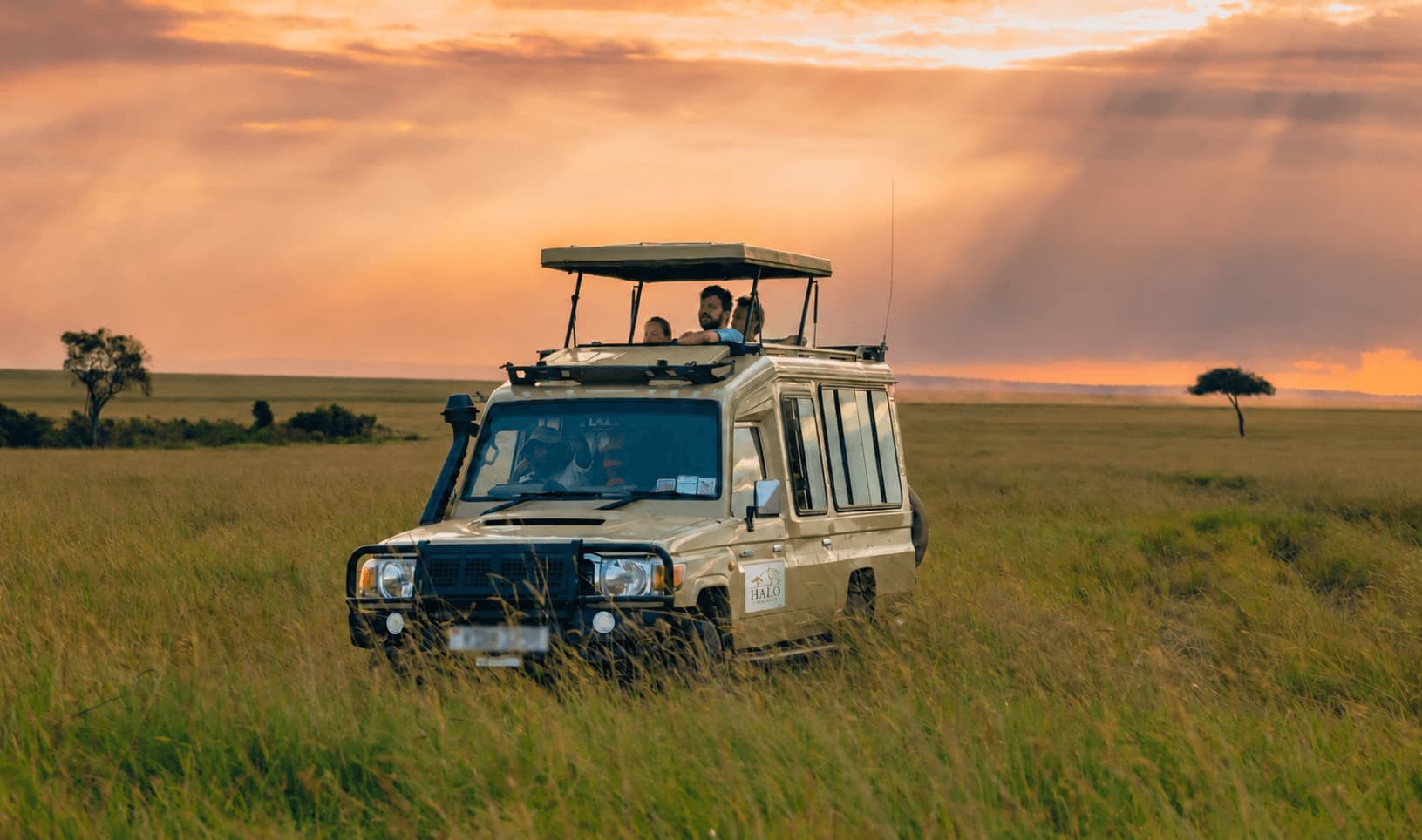
- Day Game Drives: Daily morning and afternoon game drives in 4x4 Land Cruisers to explore the open plains.
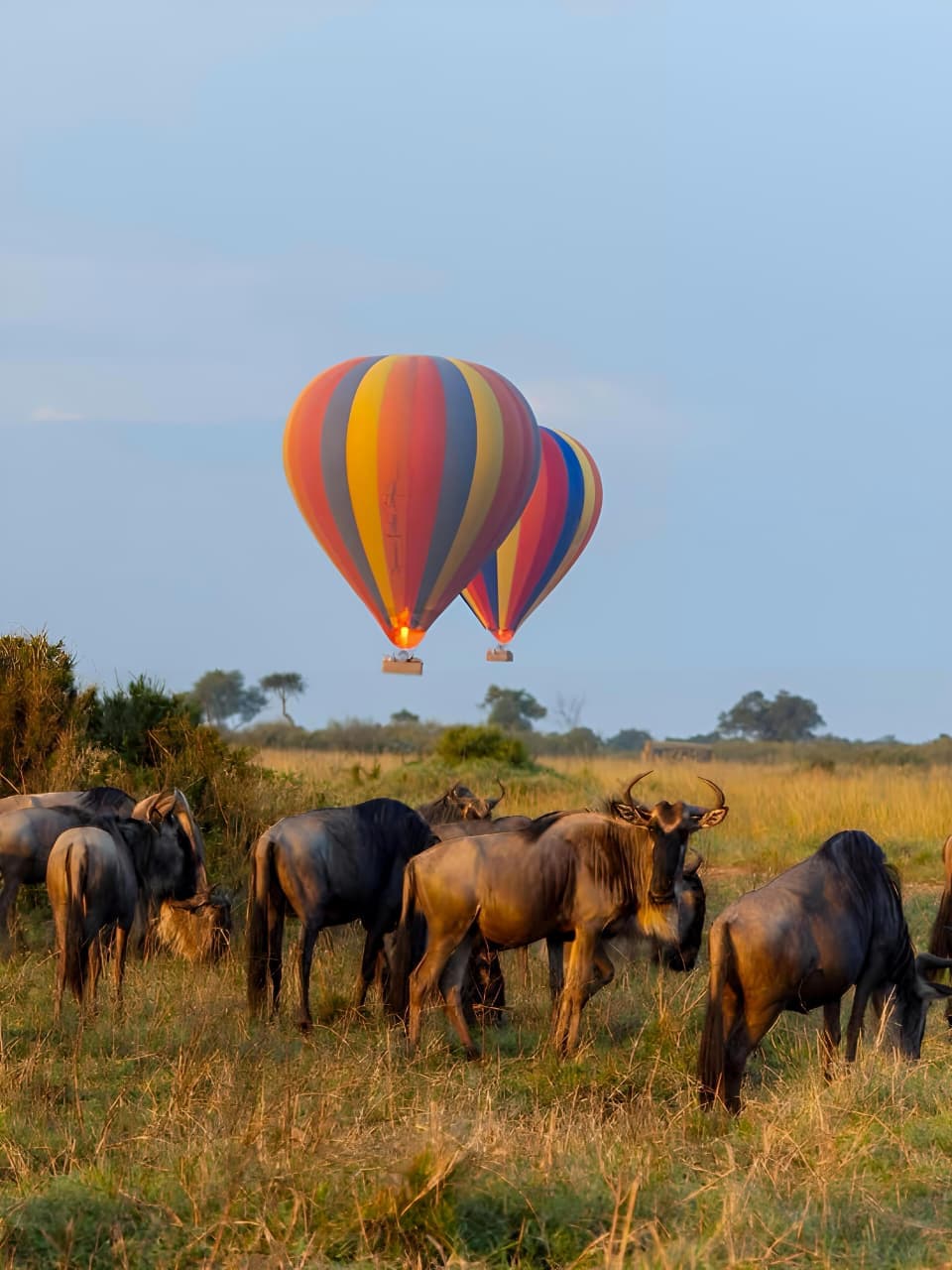
- Hot-Air Balloon Safaris: An early morning flight over the Mara, ending with a champagne breakfast in the bush.
- Guided Walking Safaris: Take a bush walk with Maasai guides. These are mostly allowed in private conservancies.
- Cultural Village Visits: Visit local Maasai communities to learn about their customs and crafts.
- Night Game Drives: Look for nocturnal animals on drives allowed only in private conservancies, not in the main reserve.
What is the cost of a typical safari to Maasai Mara?
Do you want complete pricing clarity or are you uncertain about any hidden fees or seasonal adjustments?
Get in touch with us today to check availability & get an exact quote
Price Details (Per Person, Double Occupancy)
- Budget Safari (costing between $250 and $500 per person): Shared transport in the form of a Land Cruiser, budget camps, group safaris; with the park fees not included.
- Mid-range safari (between $550 and $950 per person): tented camps or lodges located near the reserve, with transport provided by 4x4 Land Cruisers, but park fees are not included.
- Luxury Safari (an additional cost of $1,200 per person each day): These involve flying in, staying in high-end lodges, providing all-inclusive food and beverages, including private game drives in luxury 4x4 Land Cruisers, and include park fees.
When to Go
Wildlife Spotlight
Park Overview
Signature journeys in Maasai Mara Safari Packages.
 LOW Season
7-Day Safari Kenya
On a seven-day safari in Kenya, you can travel at a slower pace and visit three or four parks. Our one-week safari packages center on the Masai Mara, Lake Nakur…
 PEAK Season
10-Day Kenya Safari Package. Bush and Beach Adventure
 PEAK Season
4-Day Maasai Mara Safari from Nairobi
A 4-day Maasai Mara safari from Nairobi lets you enjoy Kenya’s most famous wildlife reserve at a relaxed pace. You will spend three nights close to th…
 PEAK Season
2-Day Maasai Mara Safari from Nairobi
The magic of the savannah is nearer than you may realize. A 2-day Maasai Mara Safari from Nairobi is all about being efficient and excitin…
 PEAK Season
3-Day Maasai Mara Safari from Nairobi
There's a good reason the 3-day safari to the Maasai Mara is our most popular itinerary: by focusing on the main reserve, we avoid the fatigue of long trips wit…
Curated camps and lodges in Maasai Mara Safari Packages.
Maasai Mara Sopa Lodge
There is a different kind of pleasure in going back to the protected veranda after having spent the day exploring the Mara; the pace slows, the gardens give the chance for quiet, and the evening then becomes a time for sharing the discoveries of the day.The Sopa Lodge in the Maasai Mara region has a traditional safari atmosphere on the Oloolaimutia Hills, its circular buildings featuring conical roofs, well-developed gardens and big communal areas that give the lodge its distinctive character. Located at the centre of the property is a swimming pool that provides a comfortable spot for relaxing between safaris.Choose one of our Kenya safari packages, which include a stay at this hillside lodge, and choose a journey that's tailored to your interests.Location and SettingThe lodge is located on the eastern side of the Maasai Mara; according to Sopa's page dedicated to the lodge, it is approximately one kilometer outside the reserve and is accessible through either the Oloolaimutia or Sekenani gates.Accommodation and Room OptionsThe guest rooms are in cottages situated in two wings adjacent to the main public areas and have queen- or king-sized beds, mosquito nets, electronic safes, en-suite bathrooms and verandas with shelter which provide views of the gardens and the wider landscape.The information provided about the lodge indicates that it has 99 rooms, four of which are rooms that connect to one another, twelve suites and one honeymoon suite; the suites feature bigger bedrooms and bathrooms as well as indoor and outdoor seating areas.The honeymoon suite includes a king-size bed, a sitting area, a shower and a sunken bath.What Your Stay May IncludeYour programme will cover accommodation, the meals as stated, transport, an English-speaking driver-guide, the scheduled game drives and the fees for entering the reserve. The quotation will clearly list the inclusions.Our tailor-made Kenya safaris bring these arrangements together, helping you review the complete trip before booking.Facilities and AmenitiesThe lodge has a swimming pool, a restaurant, bars, a lounge, a gift shop and outdoor dining areas and provides Wi-Fi in the public areas as well as offering laundry facilities and board games for the convenience of guests on longer visits.Dining at Maasai Mara Sopa LodgeThe principal dining room offers buffet service, includes areas where food is being prepared live, and has an outdoor deck. Sopa says that the menu consists of salads, main courses, desserts and themed African dining evenings.You should confirm the meal plan which is part of your package and indicate your dietary needs in advance, making special provision for any allergies and the children's preferences.For a full-day safari we will organise a packed lunch.If you do want bush meals, sundowners or private arrangements, we will make them.Activities and ExperiencesGame DrivesThe game drives are central to the experience; depending on the package and your personal interests, your guide will be able to organize either shorter trips or one lasting all day with facilities for picnics.Balloon SafarisA balloon safari is an option if you want to see the Mara landscape. You should verify the operator, the launch site, the transfer time, the passenger restrictions and the weather policy.Cultural Visits and BirdwatchingWe will arrange a trip to a local Maasai community, which will allow you to find out about their traditions, beadwork and everyday lives from the community members themselves. The details regarding the visit and any extra charges will be given to you in advance. Birdwatching and photography provide an extra aspect to your safari, giving you the chance to watch the birdlife and take photographs of the Mara landscape as it changes.Wildlife and the Mara Safari ExperienceThe Maasai Mara is well known for the wildlife that inhabits its plains and for the range of habitats it provides; lions in particular are very attractive, and on a safari you have the opportunity to see elephants, giraffes, zebras, antelopes and other predators as well.The Great Migration does do something to give the area a seasonal attraction, but the Mara remains a wildlife destination outside of the migration period. Sopa states that the usual migration time is from July or August to October. The exact movements and the river crossings cannot be predicted.How to Get ThereBy RoadIf you are travelling from Nairobi, the normal route is through Narok to the Mara; Sopa states that the distance is approximately 250 kilometres, even though the driving times listed by them are different. Plan on spending about five to six hours, allowing for traffic, stops and the state of the roads.By AirThe description of the lodge refers to the Keekorok airstrip, located approximately one hour's flight from Wilson Airport and requiring a further transfer by road. Upon booking, could I please have confirmation of the airstrip you have selected and of the distance of the road transfer?Best Time to StayThe drier months are usually the ones preferred for watching wildlife, and demand goes up during the migration period, so it is best to book as early as possible once the dates have been fixed. Rainy periods may lead to more green landscapes, but there could be the need to alter road conditions and excursion plans. Whether or not the opportunity to see wildlife occurs still depends on the daily conditions.Choose dates around your complete holiday rather than a single expected sighting. Explore our Kenya safari itineraries to compare seasonal options, accommodation availability and suitable trip lengths.Who the Lodge Is Suitable ForCouples could combine their wildlife tours with a bit of more relaxed time at the lodge, and families may find the availability of interconnected rooms useful, while groups will appreciate the communal meals and the shared leisure areas.Family and Child InformationWhen you are asking for the rates, please provide the ages of your children so that the occupancy and the charges can be checked. Moreover, you should make separate arrangements to confirm any babysitting arrangements and activity restrictions.Family trips will be more comfortable if they involve shorter journeys, stops to eat and also a bit of free time. Before balloon flights are carried out, checks which are appropriate for the operator must be carried out. If children are close to the pool you should keep an eye on them and also obey the staff's instructions concerning the wildlife and the movement around the premises.Sustainability and ConservationPeople can achieve responsible travel by keeping an appropriate distance when viewing sights, by not leaving any litter behind, and by following the instructions given by their guide. Visits to the community should be organised with respect and include clear arrangements.Nearby AttractionsThe community's arrangements can give some cultural background because the nearby conservancies are under different agreements and so just having access to the reserve does not mean that you can carry out activities there.Suggested Length of StayIt is possible to have a Mara experience over two nights, particularly if you arrive and are able to go on the trip in the afternoon.Over three nights you will have more time to carry out a full-day safari, shorter drives, and the chance to relax at the lodge; whereas with four nights it may be better for photographers or people who are particularly interested in migration.Combine the Mara with Other DestinationsIf you would like to visit the lakes for lake-related activities then combine with Lake Naivasha, but if you prefer different wildlife and scenery then combine with Lake Nakuru.You can choose holiday destinations such as Amboseli, Samburu or Laikipia and end your trip along the coast at Diani or Watamu, with arrangements made for onward travel.Explore our multi-destination Kenya safaris for routes balancing exploration with manageable travel days.What to Know Before BookingEnsure that the room category, the meals, the reservation fee, the transport arrangements and the cancellation terms have been confirmed, and find out if the game drives are private or shared.Plan Your Stay with Halo Safaris & DMC.Explore our Kenya safari packages and ask us about the Maasai Mara Sopa Lodge. We will be able to check the availability and put together a personalised itinerary that includes accommodation, wildlife excursions and onward travel.

Ashnil Mara Camp
Planning a tour to Kenya's iconic Maasai Mara? Choosing the right accommodation can create a huge difference in your safari experience. Ashnil Mara Camp is a luxury tented camp located along the Mara River, offering you an opportunity to experience the wildlife and landscapes of the Maasai Mara. As part of the esteemed Ashnil Camps and Surana Luxury Collection, which operates five premium properties across Kenya’s top national parks and reserves, Ashnil Mara Camp delivers an exceptional safari retreat. Whether you are embarking on your first African safari, taking a family holiday, enjoying a romantic getaway, or pursuing wildlife photography, this camp fits seamlessly into a custom Maasai Mara itinerary. If you are ready to start planning your trip, explore our Maasai Mara Safari packages for available safari options. Ashnil Mara Camp location Ashnil Mara Camp sits right at the confluence of the Mara and Olkeju Rivers in the southeastern sector of Maasai Mara National Reserve in Kenya. Its prime location gives tourists convenient access to the viewing areas of wildlife reserves and major river crossing points. You can access it through two nearby gates, namely Sekani and Talek gates. Neighboring camps include Entim Mara Camp, Matira Bush Camp, and Mara Ngenche Safari Camp. The closest airstrip to Ashnil Mara Camp is Keekorok, which is typically a 30-minute game drive transfer away in the south-eastern sector of the Maasai Mara National Reserve. An alternative landing option frequently used by camp guests is Ol Kiombo Airstrip, located roughly 45 minutes away depending on wildlife sightings and road conditions along the way. Both airstrips regularly handle daily domestic flights out of Nairobi's Wilson Airport via carriers like Safarilink and AirKenya. The Mara River is associated with the annual Great Wildebeest Migration, which is when large herds of wildebeest move between the Serengeti in Tanzania and the Maasai Mara in Kenya. Getting to Ashnil Mara Camp You can reach Maasai Mara from Nairobi via two primary travel options: A road safari: this takes an approximate 5- to 6-hour drive from Nairobi via Narok, offering you an opportunity to see Kenya's countryside and the changing landscapes and scenery into the Maasai Mara National Reserve. By air: flying is an alternative if you want to spend less time traveling to Maasai Mara. This is suitable if you have limited safari time or are combining Mara safari with other destinations. Daily scheduled flights take about 45 minutes from Nairobi Wilson Airport to Keekorok Airstrip or Mara Serena Airstrip, followed by a drive transfer to camp. Masai Mara Fly-In Safari is an option worth considering when planning your itinerary. Accommodation and amenities at Ashnil Mara Camp Ashnil Mara Camp features 30 elegantly appointed deluxe tented suites operating on a full board basis. Each tent rests on a raised wooden platform and includes an ensuite bathroom alongside a private deck overlooking the Mara River, striking a balance between raw bush surroundings and high-end comfort. The camp accommodates diverse guest needs with interconnecting tents for families or groups traveling together, as well as specially designed wheelchair accessible tents paired with barrier-free pathways across main communal areas, The camp also offers amenities including: swimming pools for adults and children, an open-air restaurant and a fully stocked lounge bar, a fitness gym and spa, complimentary Wi-Fi throughout communal zones, a souvenir shop, a playground for kids, a conference room, and professional babysitting services upon request. Your choice of travel dates can also affect accommodation availability, visitor numbers, and safari prices. Activities and experiences at Ashnil Mara CampGame drives: this is one of the main attractions of a Maasai Mara safari. Early morning and afternoon drives allow you to explore the reserve and search for wildlife in its natural environment. The Maasai Mara is home to the famous Big Five: lion, leopard, elephant, buffalo, and rhino, alongside cheetahs, giraffes, zebras, and vast herds of plains game. The exact wildlife you see will depend on the season, location, and animal movements. Having an experienced guide can help you make the most of your time in the reserve. The Great Wildebeest Migration: it's one of the most famous wildlife events. This is where you get to enjoy the annual scenic migration of the large herds of wildebeest through the Mara and Serengeti ecosystem. The Mara River is known for its dramatic wildlife activity during migration. However, wildlife movements are natural and unpredictable, so specific crossings cannot be guaranteed. If seeing the migration is your priority, it is advisable to plan your travel dates carefully and discuss your expectations with us. A hot-air balloon safari: this gives you different ways to experience the Maasai Mara from above. You get to appreciate the vast savannah landscape and observe wildlife from a unique angle. Balloon safaris can be attractive, especially to couples and photographers looking to add a memorable experience to their trip. A Maasai cultural experience: this can add another dimension to a wildlife safari. You can learn about traditional Maasai culture, community life, and the relationship between local communities and the surrounding environment. If cultural experiences are important to you, mention this when booking so that it can be incorporated into your itinerary. Best Time to Visit Ashnil Mara Camp You can tour Maasai Mara any time during the year, but your interests are what will determine the suitable time to visit. Wildlife viewing is possible throughout the year. However, if you are interested in the Great Wildebeest Migration, plan your trips around July to October, the period when the wildebeest are expected to be in the Maasai Mara. Dry Season in the months of June to October and January to February, is great for those who want to spot animals, as sparse vegetation makes it easier because they gather predictably around water sources. Before booking, consider your preferred travel dates, wildlife interests, safari budget, number of nights, road or air travel, private or group safari, and additional activities. The Number of Days You Need in the Maasai MaraThe ideal safari length depends on your schedule, budget, and interests. A three-day safari can provide a short introduction to the Maasai Mara, whereas four or more days allow you to enjoy more game drives at a relaxed pace. If you are travelling specifically to see wildlife or the migration, additional nights can provide more opportunities to explore different areas of the reserve You can compare our 3-Day and 4-Day Maasai Mara Safari options when deciding how long to stay. What to Pack for the Safari For clothing, you need to pack lightweight and comfortable clothing for daytime, a warm fleece jacket for chilly morning drives, comfortable shoes, and a wide-brimmed hat. The essentials to pack include sunscreen, insect repellent, binoculars, a camera with extra batteries, a power bank, and personal medications. Book an Ashnil Mara Experience with us TodayShare your travel dates to the Maasai Mara Reserve in Kenya, and we will provide a budget that suits your itinerary.
Scenes from Maasai Mara National Reserve
Frequently Asked Questions
Tell us about the trip.
A destination specialist will respond within one business day with a tailored proposal.
Planning a safari? Use our trip builder to craft a bespoke itinerary instead.