Kenya Safari Tours, Wildlife and Travel Packages
A safari in Kenya will take you to some of Africa's finest wildlife parks and reserves,
such as the Masai Mara, Amboseli, and Lake Nakuru. Each day's itinerary centers on game
drives, with mornings and late afternoons reserved for the best opportunities to see
animals. The following information covers where you can go, the best times to visit,
what a Kenya safari typically includes, and how the length of your trip influences your
experience. Do you want to focus on the Masai Mara, or would you prefer a more extensive
Kenya trip that includes both wildlife and time at the coast?
Where to Go on Safari in Kenya
With more than 40 national parks and reserves in Kenya, the parks you choose will strongly
shape your journey. The Masai Mara National Reserve is the most popular, especially between
July and October, when the Great Migration drives wildebeest and zebra to cross the Mara River.
Amboseli National Park, at the foot of Mount Kilimanjaro, offers large herds of elephants and
clear morning views of the mountains. Lake Nakuru National Park is smaller and can be seen in
a single day; it is known for its rhinos and flamingos along the shore. The Samburu National
Reserve, located in the drier north, is home to unique animals such as the Grevy's zebra and
the reticulated giraffe. During your trip, you may visit two or three of these parks or focus
on just one if you are short on time.
Best Time for a Kenya Safari
The best time to spot wildlife is during the dry season, which lasts from June to October,
since the animals come together at the remaining water holes as the vegetation becomes thinner.
This is also when the Mara River crossings take place, making it the busiest and most expensive
time for safaris. Between November and February there are brief rains, the landscape is greener,
there are fewer vehicles when you see the animals, and migratory birds from Europe arrive.
From March to May, the season is quiet, and prices are lower, but rain may close some roads
and reduce the time available for game drives. If you can travel at different times, ask your
operator which parks are best to visit during the wet months; for instance, Amboseli is easier
to visit during the rains than the Mara, where the roads can become muddy.
Inclusions on a Kenya Safari Trip
On most safari tours in Kenya, you will receive accommodation, all meals, park entrance fees,
a guide and driver, and two game drives each day—one in the early morning and one just before
sunset. When traveling between parks, you are generally transported in a 4x4 safari vehicle
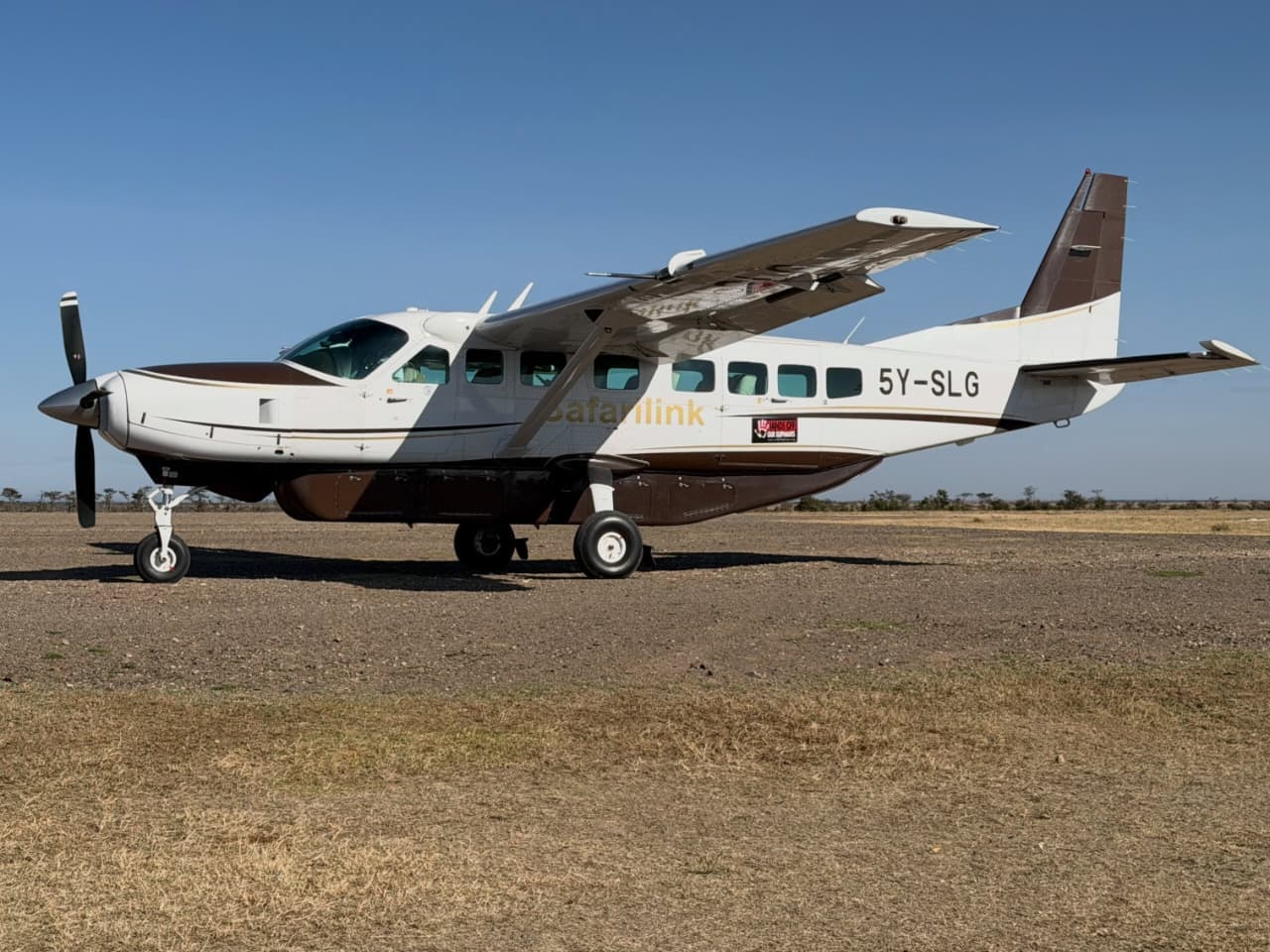
with a pop-up roof, although a few tour operators provide transfers by small plane for longer
distances. International flights, visas, tips and drinks at the lodge are not included, so it
is important that you carefully examine your quote before making a booking. Since your guide
handles all the logistics, you can focus on enjoying the wildlife.
Choosing a Package Length
Kenya safari tours generally come in three lengths, and each option affects how much and what
kind of wildlife you can see and experience. A 3-day safari usually centers on a single park,
typically the Masai Mara, and includes four game drives spread over two full days. It is a good
choice for people short on time or for those adding a short safari in a longer trip through
East Africa. While you will see the main wildlife, you'll have enough time to wait for rare
sightings or to make changes if the weather proves bad.
A typical five-day safari involves visiting two parks, for example Amboseli and the Mara, so
that you can see a variety of habitats and spot more animals. With the additional days, you
have a full day at each park rather than rushing, and you also have the opportunity to take
part in optional activities such as a guided walk or a visit to a Maasai village.
If you choose a safari that lasts seven days or more, you can include a third park, go on a
hot-air balloon ride over the Mara at sunrise, or spend a few nights relaxing near Diani Beach
on the coast. On a longer trip, your guide can adjust the route to match the animals' locations
that week, rather than sticking to a fixed schedule. This choice is ideal if you want a more
in-depth experience or would like to combine wildlife viewing with free time at the end of
the trip.
Cost of a Kenya Safari
Cost varies depending on the level of comfort you choose. Budget safari trips, which involve
shared vehicles and camping, start at about $150 to $200 per person per day. Mid-range tours
with private vehicles and stays at a lodge or tented camp cost around $300 to $500 per day.
Luxury itineraries, featuring the best camps and private guides, can exceed $800 per day.
Since most quotes cover meals, entrance fees, and game drives, check what is included, not
just the price.
FAQs
Do I need a visa for a trip to Kenya for a safari?
Most visitors need an eTA, and you can apply online before you arrive. Check the latest
requirements for your nationality before booking your flights.
Is a Kenya safari safe?
As long as you follow your guide's instructions, the wildlife areas are usually very safe.
Because everyday risks are higher when traveling by road around Nairobi than in the parks,
most safari operators prefer not to drive at night between stops.
What do I need to pack when I am going on a safari to Kenya?
To handle most weather conditions, pack light layers, neutral-colored clothes, a hat,
sunscreen, and a light jacket. Since most camps provide laundry service, you don't need
to pack clothes for the whole trip.
Can you combine a safari in Kenya with a trip to the beach?
Yes, it is possible. Diani Beach and the Mombasa coast are only a short flight from Nairobi
and are often included at the end of a safari as a few days of relaxation after your time
in the parks.
How many parks ought I to see during one trip?
Two or three parks generally provide a good variety without taking up much time on the road.
If you're planning your route, ask your operator about the driving time between each stop.
Book a Safari in Kenya
Are you prepared to experience the Mara, Amboseli, or Samburu? Let us know your travel dates
and how fast or slow you want your trip to be, and we’ll create a Kenya safari just for you.