Team Hiking Kenya Safaris for Hiking and Wildlife
Team hiking Kenya safaris offer guided hiking, trekking, camping and wildlife
viewing for those seeking more than vehicle-based safaris. We tailor each
itinerary to your fitness, schedule and preferred landscapes.
What a Kenya Hiking and Safari Entails
A Kenya hiking and safari trip combines hiking, wildlife viewing, cultural
interaction and planning.
Most itineraries include:
- Guided hiking or trekking on designated routes
- Camping, lodge stays or a mix of both
- Wildlife drives or guided walks where permitted
- Meals, water and basic camp or lodge facilities
- Transport between trailheads
- Permits, park fees and guiding services as agreed
Itineraries vary by route, destination, group size and preferences, from focused
mountain treks to journeys combining highland trails, game drives and cultural
visits.
We design each trip to meet your objectives, whether to reach a summit, complete
a multi-day traverse, explore multiple ecosystems or combine hiking with wildlife
and community-based tourism.
Route Specifications and Difficulty Ratings
Kenya’s hiking routes range from gentle forest walks to challenging high-altitude
treks. Although there is no national difficulty scale, most operators classify
routes by terrain, distance, elevation gain, altitude and remoteness.
A useful framework is:
-
Easy: Mostly flat or gently undulating trails, short distances,
minimal elevation gain. Suitable for families and casual walkers.
-
Moderate: Clear paths with some steady climbs, longer distances
and more sustained effort. Requires basic fitness.
-
Challenging: Significant elevation gain, long days on foot,
rougher terrain and possible exposure. Requires good fitness and some hiking
experience.
-
Expert: Technical sections, high altitude, remote terrain or
extreme conditions. Prior trekking experience and strong fitness are essential.
On Mount Kenya, the Sirimon route is often rated moderate to challenging due to
its gradual ascent and altitude. The Sirimon-Chogoria traverse is rated
challenging to expert because it covers varied terrain over several days at
altitude.
In the Aberdare Range, day hikes like Elephant Hill or Table Mountain are
moderate. Ascents of Lesatima Peak or Kinangop Peak are challenging due to
distance, elevation and weather exposure.
We provide a route brief for every trip, including:
- Total distance and daily stages
- Elevation profile and highest point
- Terrain type (forest, moorland, rock, savannah)
- Expected walking hours per day
- Difficulty rating and recommended fitness level
- Key risks such as altitude, weather or remoteness
Diverse Hiking Ecosystems and Trails of Kenya
Kenya’s landscapes shift dramatically over short distances. A single multi-day
trek can pass through several distinct ecological zones, each with unique
vegetation, wildlife and climate.
Mount Kenya Ecosystems
On Mount Kenya, team hiking Kenya safaris can take hikers through five zones in
a single ascent:
- Cultivated foothills and farmland
- Dense montane forest with cedar, podo and camphor
- Bamboo thickets and giant heather
- Afro-alpine moorland with giant groundsels, lobelias and senecios
- Bare rock, scree, glacier near the summit
This rapid vegetation change helps explain why Mount Kenya is recognized as a
UNESCO World Heritage Site and a key biodiversity area.
Aberdare Ranges
Trails in the Aberdares pass through montane rainforest, bamboo belts, heather
and moorland zones and high peaks and ridgelines with views across the Rift
Valley and towards Mount Kenya.
You may encounter wildlife like elephants, buffalo and various monkey species
on some routes. This is why guided hiking is required in certain sections.
Rift Valley Escarpment and Highlands
Escarpment trails and highland routes offer:
- Steep climbs with panoramic valley views
- Grasslands, scattered woodlands and rocky outcrops
-
Opportunities to combine hiking with lake visits, cultural stops and wildlife
areas
Savannah and Conservancy Landscapes
In southern and northern Kenya, some hiking experiences take place in or near
conservancies and wildlife areas. These may include:
- Guided nature walks on private land
- Short hikes between camps or viewpoints
-
Multi-day walking safaris where local rules permit, often supported by
vehicles or camels
These areas are typically lower in altitude but can be hot and remote. They
require careful planning for water, shade and wildlife protocols.
When suitable, team hiking Kenya safaris blend highland trekking and savannah
wildlife for a broader experience of Kenya’s natural heritage.
Safety, Acclimatization and Guiding
Safety is the foundation of every hiking and safari trip in Kenya. Main risks
include altitude sickness on high mountains, rapidly changing weather, remote
terrain, limited evacuation options and wildlife encounters in some areas.
Altitude and Acclimatization
On routes above about 2,500 meters, altitude becomes a key factor. On Mount
Kenya, most trekkers aim for Point Lenana at 4,985 meters, where altitude
sickness is the leading cause of failed summits.
Common ways to adjust to the altitude include:
- Gradual ascent profiles with rest days
- The “climb high, sleep low” principle
- Limiting daily altitude gain above certain thresholds
-
Encouraging sufficient hydration (often 4–5 litres of water per day at altitude)
- Walking at a steady, manageable pace
- Training guides to recognize early symptoms and descend when necessary
We schedule treks to allow altitude adjustment, including extra days at
mid-level camps and monitoring group well-being.
Guiding and Support
Guides play a central role in safety. They:
- Know the route, weather patterns and escape options
- Set an appropriate pace for the group
- Monitor fitness and altitude symptoms
- Coordinate with porters, drivers and camp staff
- Manage wildlife protocols where applicable
In many protected areas, local laws require certified guides for hiking or
walking. We work with qualified guides familiar with the terrain and relevant
park or conservancy rules.
Weather and Terrain
Weather can change quickly, especially at altitude. Rain, cold, wind and low
visibility are common on high routes. We:
- Check forecasts and local conditions
- Adjust daily plans when necessary
- Ensure the group carries appropriate clothing and protection
- Avoid risky sections in poor conditions
Emergency Planning
No trip can eliminate all risk, but we plan for emergencies by:
- Carrying communication radios and first-aid equipment
- Establishing evacuation routes and contact points
- Ensuring guides know the nearest medical facilities
-
Recommending travel insurance that covers hiking, altitude and medical evacuation
Fitness Level and Preparation
Requirements depend on route, distance, terrain and altitude. Your recent
activity, hiking experience and comfort with long or steep walks determine
suitability. If a trip exceeds your fitness, we can suggest alternatives or a
training plan.
Pre-Trip Preparation
Useful preparation includes:
- Regular walking, hiking or cardio exercise in the months before the trip
- Practice hikes with a loaded daypack
- Strengthening legs, core and back
- Pre-wearing your hiking shoes to prevent discomfort
- Practicing with your planned clothing layers and rain gear
We provide a preparation guide customized to your chosen route, including gear
checks and specific considerations such as altitude or heat.
Practical Logistics and What to Pack
Logistics and packing are essential for a smooth trip. Kenya’s hiking
destinations range from well-serviced mountain routes to remote conservancy
trails, so gear requirements vary accordingly.
Transport, Accommodation and Meals
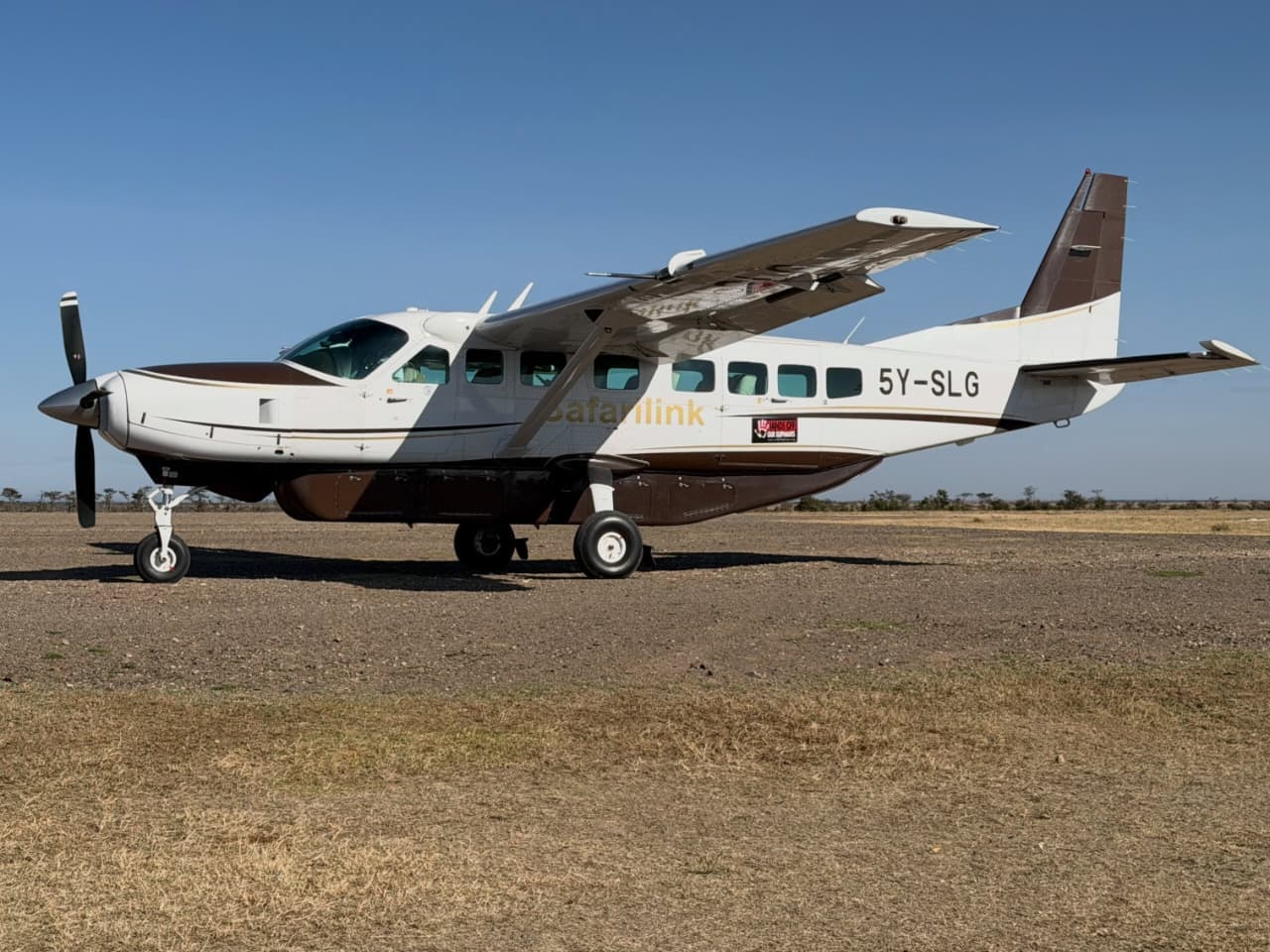
Most trips start from Nairobi or a nearby town. We arrange road transport to
the trailhead or first camp, internal flights where relevant, transfers between
hiking sections and wildlife areas and luggage management.
Accommodation options include campsites with basic facilities on mountain routes,
tented camps with beds and shared or private bathrooms, lodges with en-suite
rooms and dining areas and mobile camps moved between locations on multi-day
treks. Camping gear may be supplied by us or specified in advance if you need
to bring your own.
Most itineraries include breakfast, lunch and dinner on hiking days, packed
lunches or trail snacks where needed and water provision or arrangements for
safe drinking water along the route.
Packing List Essentials
A typical packing list includes:
- Strong, comfortable boots or shoes
- Layered clothing for changing temperatures
- Rain jacket and waterproof trousers
- Warm layer for cold mornings and high camps
- Sun protection (hat, sunglasses, sunscreen)
- Reusable water bottle or hydration system
- Personal medication and basic first-aid items
- Headlamp or torch with spare batteries
- Small daypack for water, snacks and layers
We provide a route-specific packing list, including extra items if needed.
Permits and Documentation
Many hiking areas require park entry permits or conservancy fees, camping or
accommodation reservations and guiding permits where local rules apply. We
handle permit arrangements where included in your package and confirm all
requirements before departure.
Cultural Integration and Conservation
Hiking in Kenya often involves contact with nearby communities and sensitive
ecosystems. Responsible travel practices help ensure your visit supports both
people and nature.
Community Conservancies and Local Stewardship
Kenya has pioneered community-led conservation models, where local people
register their land as conservancies to benefit both wildlife and livelihoods.
These areas:
- Protect wildlife corridors and buffer zones around national parks
- Create jobs in tourism, guiding and conservation work
-
Allow communities to manage natural resources and earn income from sustainable use.
Some hiking and safari itineraries include time in or near these conservancies,
giving opportunities to learn about local land-use practices, wildlife monitoring
and community projects.
Cultural Visits and Respectful Interaction
Cultural experiences may include visits to Maasai, Samburu or other local
communities. Responsible cultural tourism directs fees and purchases to the
community, encourages respectful interaction rather than passive observation
and supports education, healthcare and community-led initiatives.
We work with partners who follow these principles, ensuring that village visits
and cultural activities are dignified for both visitors and hosts.
Conservation and Wildlife Coexistence
In many regions, wildlife lives alongside pastoralists and farmers. Conservation
success depends on local stewardship, land-use planning and decreasing
human–wildlife conflict.
As travellers, you can support conservation by:
- Choosing operators and lodges that work with community conservancies
- Following wildlife viewing guidelines and staying on designated routes
- Minimising waste and avoiding single-use plastics
- Supporting community-based tourism enterprises where available
We incorporate these considerations into our itineraries, providing context on
the landscapes you visit and the conservation challenges and successes in each
area.
Planning Your Kenya Hiking and Safari
Planning a hiking and safari trip begins by fitting the route to your fitness,
timeframe and interests, whether for a single guided hike, a multi-day trek or
a combination with wildlife viewing. We advise on realistic distances, suitable
seasons and which reserves or conservancies fit your plans. Share your dates,
group size and travel priorities with us and we will tailor team hiking Kenya
safaris to your preferred route, pace and combination of hiking, camping and
wildlife viewing.
FAQs
1. What Fitness Level Is Needed for a Hiking Safari in Kenya?
Fitness requirements depend on the route, distance, terrain and altitude. We
recommend an itinerary that fits your experience and pace.
2. Is Camping Included on Multi-Day Hiking Trips?
Some multi-day trips include camping, while others use lodges or permanent camps.
We confirm the accommodation plan and camping equipment before booking.
3. Can I Book a Private Hiking and Safari Trip?
Yes. We can arrange private itineraries around your dates, group size, preferred
route and activity level.
4. What Is Included in the Trip Price?
Inclusions vary by itinerary but may cover guiding, transport, accommodation,
meals, water, permits and selected park or conservancy fees.