


Samburu National Reserve
Experience the Untamed Soul of Samburu National Reserve
Brief Introduction
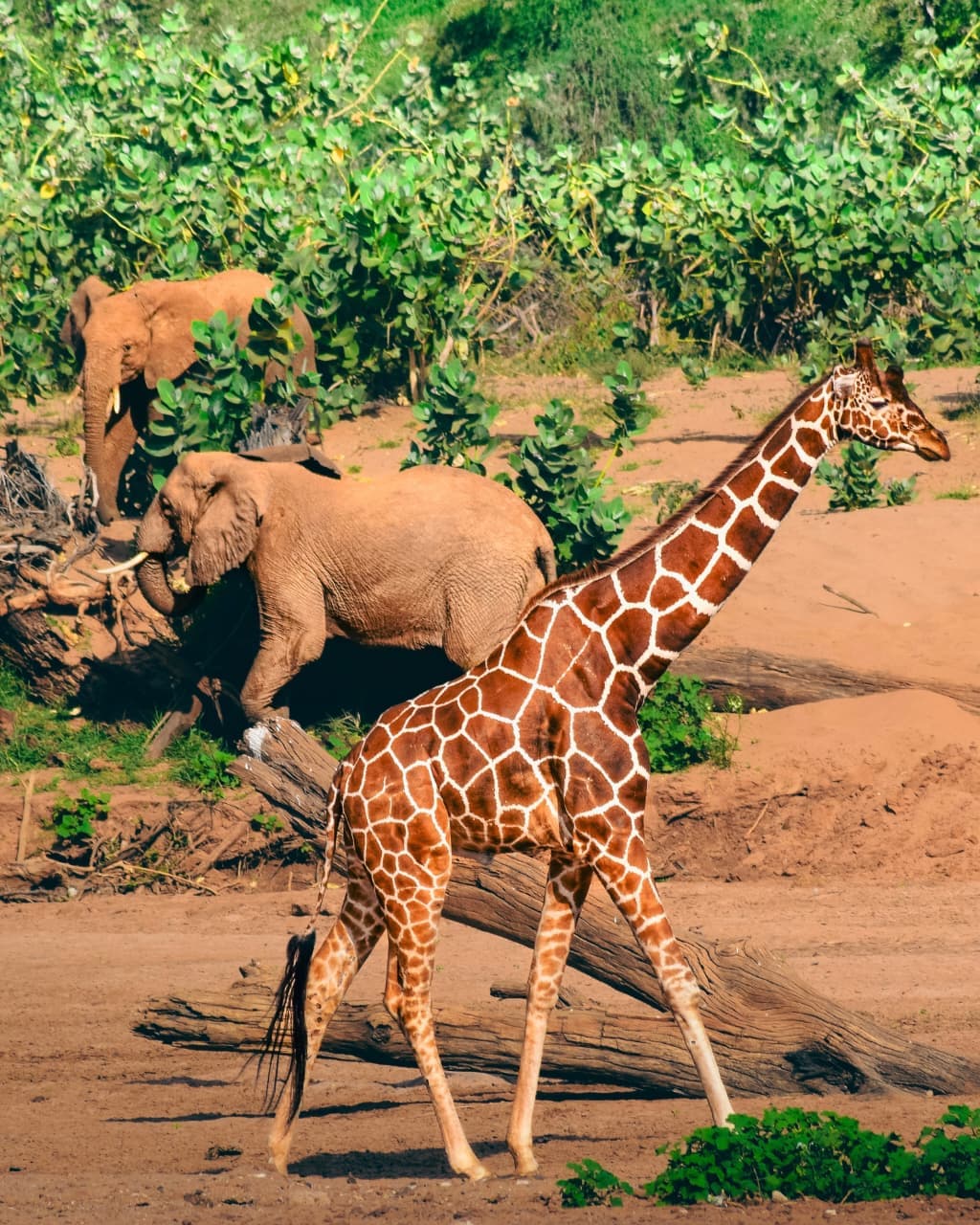
In the Samburu National Reserve, you can see elephants under the riverside palms and also spot the rare zebras and the long-necked antelopes on the red-earth plains. Since this northern region is quieter than Kenya's known safari areas, it is ideal for tourists who want unique wildlife, excellent photographs, and a more relaxed experience.
We arrange tailored tours in this area by pairing knowledgeable local guides with carefully selected camps, offering convenient transfers and the option of luxury fly-in services. If this is your first visit to Kenya or if you are coming back, Samburu is a destination that you should take your time to explore.
You can also check our other Kenya safari itineraries to see how Samburu fits into a multi-destination tour.
Brief History
The reserve is named in honour of the Samburu people, who have lived in and looked after these dry areas long before wildlife tourism started. It was subsequently placed under the control of the local government. Currently, Samburu County manages the reserve, whereas Buffalo Springs and Shaba are managed by Isiolo County.
Conservation is now an essential element in the story of the Samburu. Starting in the 1990s, researchers with Save the Elephants have been monitoring local elephant families. The nearby community conservancies have also contributed to the protection of wildlife by providing job opportunities for local people.
Location and Getting There
The reserve is located in Samburu County, in the area north of Mount Kenya and along the Ewaso Nyiro River. Archer's Post is the main gateway village, and Isiolo and Nanyuki are useful points along the route. The majority of visitors go through Archer's Gate; the specific gate you use will depend on the camp you have.
If you start in Nairobi, the drive is about 320 to 360 kilometers (200 to 225 miles) and usually takes six to seven hours, passing through Nanyuki and Isiolo. Isiolo is about 45 to 50 kilometers from Archer’s Gate, and Nanyuki is around 125 kilometers away by road. A private 4x4 transfer lets you stop for scenery, but it will take up most of your arrival day.
Scheduled light-aircraft flights from Nairobi’s Wilson Airport usually take between 1 and 1.5 hours, depending on stops. Planes may land at Samburu, Buffalo Springs or Kalama airstrips, followed by a transfer to your lodge.
Wildlife & Terrain
Samburu’s signature attraction is its Special Five, animals associated with northern Kenya’s drier habitats:
- Grevy’s zebra: An endangered zebra recognized by its narrow stripes and rounded ears.
- Reticulated giraffe: An elegant giraffe with striking, net-like markings.
- Gerenuk: A long-necked antelope often spotted standing on its hind legs to browse.
- Beisa oryx: A hardy antelope with straight, spear-like horns.
- Somali ostrich: A large bird distinguished by the male’s blue-gray neck.
Elephants, lions, leopards, cheetahs, buffalo, hyenas, and crocodiles also inhabit the wider ecosystem. Hippos occupy suitable river stretches, while birders can watch for vulturine guineafowl, kingfishers, and raptors.
You will find sandy riverbanks shaded by palms, thorny acacia bushes, open grass patches, rocky outcrops, and distant hills. During dry spells, animals gather near the river, offering great chances for photos, though sightings are never guaranteed.
Best Time to Visit
From June to September, the tracks are usually dry, the vegetation is thinner, and wildlife can be seen reliably near the remaining water sources. Game drives are also good in January and February, though the afternoons can become very hot.
The months when the vegetation is greener, especially from November to April, are popular with birdwatchers and photographers. The amount of rain varies, with heavier downpours generally taking place between March and May and with the shorter rains occurring from October to November, occasionally turning the tracks into mud.
Lodges are in higher demand during peak holidays, but you may find better rates during the green season.
Activities to Do
- Morning and afternoon game drives: Follow tracks through the river corridor and open scrub in a guided 4x4. Cooler hours usually produce more active animals and softer light.
- Birdwatching and photography: Search for dry-country birds, photograph elephants at water, and pause for intimate details such as giraffe patterns or the gerenuk’s unusual feeding posture.
- Guided nature walks: Explore plants, tracks, and smaller wildlife with qualified guides where permitted, usually in surrounding conservancies rather than inside the main reserve.
- Samburu cultural experiences: Join an arranged, fairly compensated visit led by community hosts to learn about local traditions, contemporary life, and beadwork.
- Private scenic adventures: Depending on your camp and budget, consider an authorized camel experience or helicopter excursion beyond the reserve.
Conservancies, Communities & Responsible Tourism
Samburu is situated next to wildlife areas that are managed by the local community, such as Westgate, Kalama, and, further north, Namunyak. These areas preserve the movement corridors and can provide guided walks, cultural activities, and other more exclusive accommodations according to their own regulations. The Sera Conservancy, which is accessed via a longer route, is famous for its community-based rhino conservation efforts.
Tourism helps support local guides, community rangers, women’s craft businesses, and conservation projects. We recommend choosing local experiences, asking for consent before taking photos, paying fairly for cultural visits, using refillable water bottles, and staying at places that can explain how they support conservation.
During game drives, please keep a respectful distance from wildlife and stay on the marked tracks. Because conservancy fees and reserve permits are separate, your itinerary will show where each activity takes place.
Entrance Fees and Access
The Samburu County Government sets entry fees for the reserve, usually USD 85 per adult non-resident for each 24-hour period, though this can change.
What to Expect
Most days on a safari begin with a game drive in the early morning, since that is when the animals are easiest to spot. After having breakfast, you can relax at your lodge before going out once more in the afternoon when it has become cooler. If you stay for two or three nights, you will have plenty of time to explore, but the longer you remain, the more opportunities you will have to see the wildlife and to relax.
Take light and neutral-colored clothing, a warm jacket for the cold mornings, a wide-brimmed hat, sunscreen, insect repellent, and some comfortable closed shoes. To obtain the best wildlife photographs, bring binoculars, extra camera batteries, and a zoom lens. Avoid using the flash when near animals and always ask permission before taking photographs of local people.
The availability of mobile network and Wi-Fi varies depending on your location. The roads in safari areas are generally bumpy. People with limited mobility to get into the vehicles. If you require any special arrangements, please let us know in advance. While many lodges do accept families, there are age restrictions at some places and activities.
Before going on your trip, get proper vaccinations for malaria prevention and check the entry requirements. Your guide will give you some safety advice during the safari to help make sure that your experience with the wildlife is both safe and enjoyable.
Possible Safari Combinations
- 3–4 days: Samburu discovery. Fly or drive from Nairobi, enjoy several focused game drives, and add a community experience if time allows.
- 6–7 days: Samburu and Laikipia. Combine northern wildlife with rhino country in Lewa, Ol Pejeta, or Borana. Explore our luxury fly-in safaris.
- 7 days: Private-flight northern escape. Pair Samburu’s river landscape with Borana’s conservancy experience on a private charter itinerary.
- 10–13 days: Bush and beach. Add Maasai Mara big-cat viewing before unwinding on the coast at Diani; begin exploring through our Kenya safari collection.
Explore Samburu National Reserve Your Way
Are you ready to explore Samburu National Reserve your way? We will create a private or luxury safari based on your dates, preferred accommodation, wildlife interests, and budget. We will guide you on transfers, fees, and optional conservancy experiences. Plan your custom itinerary or call +254 762 444 777 to start your northern Kenya adventure.
Когда ехать
Year-round game viewing with prime dry season viewing and seasonal migrations.
В центре внимания – дикая природа
Home to the African Big Five, massive herbivore herds, and exceptional birdlife.
Обзор парка
Scheduled bush flights or private road transfers arranged seamlessly by Halo Safaris.
Park conservation fees vary by season and residency. Fully handled in all Halo Safaris packages.
Тщательно подобранные кемпинги и ультра-роскошные лоджи в Northern Kenya Safaris.
Ashnil Samburu Camp
When people plan their first safari in Kenya, they usually begin by visiting the Maasai Mara. Northern Kenya, on the other hand, has dry red soil, palms by a broad river, and wildlife that you don't encounter further south. By staying at Ashnil Samburu Camp, you will find yourself on the banks of the Ewaso Nyiro River, in the Buffalo Springs National Reserve, right within the Samburu National Reserve, which lies directly opposite across the river.The Ashnil Samburu Camp is one of the camps and lodges that belong to the Ashnil Hotels group, which also has other establishments in game viewing areas all over Kenya; these other properties are the Ashnil Mara Camp close to the Mara River and the Ashnil Aruba Lodge in Tsavo East National Park.Getting to Samburu from NairobiThe Samburu trip begins in Nairobi; the camp is situated roughly 200 miles north of the city, and you may reach it by air or by road.By flight: a scheduled flight from Wilson Airport to Buffalo Springs Airstrip lasts approximately one hour. Once you arrive at the airstrip, our team will meet you and drive you to the camp. Since flights depart from Wilson Airport, you should plan for the drive across Nairobi. Flying allows you to see the game for an additional half day. If you want a smooth arrangement for air travel, consider our fly-in safari options, which go directly from Nairobi's Wilson Airport to Buffalo Springs Airstrip.By road: a 4x4 safari vehicle will take you 5 to 6 hours to reach the camp via Nanyuki and Isiolo, and driving is suitable for those who wish to stop at Ol Pejeta or Mount Kenya en route.Tents accommodationThe Ashnil Samburu Camp consists of 30 hexagonal tents arranged along a shaded part of the riverbank. Since each tent is built on a raised wooden platform with its face towards the Ewaso Nyiro, elephants and baboons are often seen when you are outside your tent.Deluxe Double18One king-size bedCouples and honeymoonersDeluxe Twin9Two single beds, rollaway optionFriends or a parent with a childDeluxe Triple3Three single bedsSmall families or groupsA double tent has a surface area of about 310 square feet and includes parquet floors, mosquito nets, a writing desk, a wardrobe, a fan, an in-room safe and a hair dryer. Each tent is equipped with an en-suite bathroom having a hot shower and a flush toilet, and we do provide tents that have been adapted for guests with disabilities.Dining at campThe restaurant situated outside has a capacity of 100 seats and provides buffets featuring both international and African food; in addition, lunches and dinners are available on a menu basis, a facility that is rare among the camps in the region. The kitchen can also prepare vegetarian, vegan, gluten-free and halal meals provided that they are requested in advance.Wildlife on a Samburu safariWhat mainly attracts visitors on a Samburu safari is the Samburu Special Five. These species, which are adapted to dry environments, are rare or missing in southern Kenya:The Grevy's zebra is larger than the plains zebra, has narrow stripes and round ears, and is an endangered species.The reticulated giraffe has a distinct, net-like pattern of liver-red patches.The Somali ostrich has blue-grey necks and legs.The Beisa oryx is a type of desert antelope which has long, straight horns.The gerenuk is an antelope with a long neck which feeds by standing on its back legs.Lions, leopards and cheetahs are found in both reserves, together with elephants, buffalo, hippos and spotted hyenas, and at certain times African wild dogs are seen there too.Activities at the campDay after day, your routine matches that of the bush, involving game drives during the cooler parts of the day and allowing you the opportunity to rest at camp when the midday heat arrives. The following activities are available to you during your stay.Game drivesYou can drive across Buffalo Springs and Samburu National Reserve in an open 4x4 vehicle, which has a guide for both morning and evening drives. If you go early, you will see the predators when they are still active, and in the evenings the elephants come down to the river to drink. You have to pay the entrance fees for each of the reserves. The animals are free to move across the river, and since you have access to both sides, your guide is able to cover more ground when animal sightings are scarce.Guided nature walksWhen walking, you become aware of the various things that a vehicle passes by, such as animal tracks, insects, plants, and the sounds of the riverbank. Each walk is led by a guide, who explains all the findings as you go. The walks carry an extra cost.BirdwatchingMore than 350 species of birds can be seen in the area, such as the vulturine guineafowl and the lilac-breasted roller. The trees beside the Ewaso Nyiro close to the camp are a good place to begin, so make sure your binoculars are with you.Samburu village visit and cultural eveningsThe Samburu are semi-nomadic herders who are closely related to the Maasai, and a number of our guides and staff are drawn from the local communities. If you want to see what daily life is like in a manyatta, you can visit a nearby village where you can buy beadwork straight from the women who produce it. At the camp, we have cultural talks and traditional dances in the evening.Bush breakfast and picnic lunchRather than going back to the camp after your morning drive, you might have breakfast in the reserve, and having a picnic lunch will allow you to remain out there for a longer period on a full-day drive.Sundowners and bush dinnersFinish the day by having drinks at a lookout that looks towards Ololokwe Mountain as the sun sets. If it is to be a special night, our staff will arrange a bush dinner or barbecue using lanterns.Swimming pool and spaWhile driving, the pool deck has a view of the river, with elephants and impala frequently coming there to drink. The spa provides massages and other treatments to relieve the muscle strain caused by spending long hours in the vehicle.When to visit SamburuIf you want to see wildlife, you should go between June and October and from January to February since the grass is shorter and so the animals are easier to spot; they gather along the river, which is the only reliable source of water. April and May, on the other hand, see the long rains; the landscape becomes greener, and there are fewer vehicles.Children’s policyThe Ashnil Samburu Camp is open to children of all ages, and the price you pay will be determined by the age of the children and the way in which they share a tent.Up to 3 yearsFreeAges 4 to 12, sharing with adults50% of the adult rateTwo children in their own tent75% of the adult rate eachThree children in their own tentFull double-tent rateOne adult with one childAdult single rate plus 50% of the half-twin rateIf you are going on a trip with children, you should refer to our guide regarding family safari packages to find out more about age restrictions, child-friendly lodging, and the special activities arranged.Practical tips for your tripFor tips and additional charges, please provide US dollars in the form of fresh and recently printed bills; card payments might be subject to an extra charge.Since Kenya uses three-pin plugs of the UK type (Type G), it's necessary to take an adapter with you.At least six weeks before your trip, go to a travel clinic to get information on malaria tablets and yellow fever vaccination.Take along some lightweight, neutral-coloured clothing, a hat, sunscreen, and binoculars.Check-in will begin at noon, and check-out must be completed by 10 A.M.Plan your Samburu safariAshnil Samburu Camp works well as the northern leg of your trip, before or after the Maasai Mara. Check dates and book your stay at Ashnil Samburu Camp with us today.

Scenes from Samburu National Reserve
Расскажите нам о поездке.
Специалист по направлениям ответит в течение одного рабочего дня, предоставив индивидуальное предложение.
Planning a safari? Use our trip builder to craft a bespoke itinerary instead.