It is not just a matter of securing comfort when choosing a Maasai Mara accommodation. The position of a lodge or camp has an effect on how soon the safari can start every morning, on the wildlife areas that can be seen during the game drives, and on the ambiance that you will experience at the end of the day.
In the well-known Maasai Mara region of Kenya, the type of accommodation available varies from small tented camps situated next to meandering rivers to elegant retreats located on the hillsides with views of the savanna. A number of these establishments have private plunge pools and provide personalized dining, whereas others emphasize traditional safari hospitality and give guests uninterrupted time in the natural environment.
When planning a honeymoon, a family vacation, or your first trip to Africa, knowing the differences makes it easier to choose where to stay.
Types of Maasai Mara Accommodation: Safari Camps and Lodges
Maasai Mara Safari Lodges
Maasai Mara safari lodges usually have permanent buildings, comfortable guest rooms, dining facilities and well-established hospitality services. A number of them also provide swimming pools, large lounges and scenic terraces with views of the surrounding area.
The Mara Serena Safari Lodge and the Sarova Mara Game Camp are instances of existing safari accommodation that provide a balance between outdoor adventure and modern comforts.
Families, groups made up of several generations, and tourists who after a day of exploring the reserve prefer the facilities found in hotels are often attracted by lodges.
Maasai Mara Camps
If you want to get closer to the wilderness, Maasai Mara camps provide a different kind of atmosphere.
The tented lodging varies from basic canvas shelters with the necessary facilities to beautifully furnished suites that have en-suite bathrooms, private decks, comfortable beds, and elegant interiors.
Luxury camps such as Mara Plains Camp and Governors' Camp show the extent to which a tented safari can be sophisticated.
The appeal lies in the little things, such as hearing hyenas at a distance after sunset, sipping coffee in the morning as the bush comes to life, or observing wildlife moving through the surrounding area from a safe vantage point.
Camps vs. Lodges: Which One to Choose
| Feature |
Safari Lodges |
Tented Safari Camps |
| Accommodation |
Permanent rooms, cottages or suites |
Canvas tents, often with en-suite bathrooms |
| Atmosphere |
Hotel-style comfort |
Intimate wilderness experience |
| Facilities |
Often pools, restaurants and lounges |
Vary from simple facilities to private pools and spas |
| Best suited to |
Families, groups, comfort-focused visitors |
Couples, photographers and adventure-minded travelers |
The importance of location is just as great as the type of accommodation; properties situated within the national reserve give you direct access to the game-viewing areas, whereas those located in private conservancies can provide quieter drives, guided walks, and night safaris in accordance with the relevant conservancy rules.
Luxury, Mid-Range and Budget Maasai Mara Accommodation
Although there are options to suit different budgets, the most costly property isn't always the best one to choose for a safari.
Luxury Maasai Mara Accommodation
Luxury homes stress exclusivity, offer careful attention to customers, have unique locations, and provide well-organized safari experiences.
Angama Mara is situated on the Oloololo Escarpment above the Mara Triangle and is known for its magnificent views and its stylish suites with glass on the front.
Mahali Mzuri provides modern tented lodging in a private wildlife conservancy, while Cottar's Safari Camp from the 1920s offers a traditional safari atmosphere drawing on the early twentieth century.
The properties, among others, are ideal for travelers who prioritize privacy, have a preference for unique design, and want a more personalized way of exploring the wildlife.
Mid-Range Maasai Mara Hotels and Camps
Mid-range accommodation offers a practical compromise between comfort, service, and safari access.
Options like the Mara Serena Safari Lodge, Basecamp Masai Mara, and the conservancy camps that are selected can provide comfortable lodging without having the most luxurious rates.
Most of the accommodations offer full-board dining, furnished rooms or tents, welcoming communal areas, and access to organized safari activities. It is always important to verify whether game drives are included in the quoted rate.
Budget Accommodation
People who want wildlife experiences and not a lot of facilities can find cheaper camps near Sekenani, Talek, and Oloolaimutia.
For instance, Enchoro Wildlife Camp offers budget-friendly full-board accommodation close to the reserve. Camps that are simpler might have restricted electricity schedules, a smaller number of amenities, or have to share facilities.
The key point is whether the lower room rate still provides good value when transportation, park fees, and the daily game drives are taken into account.
Activities to Enjoy During Your Maasai Mara Stay
Accommodation is merely one aspect of the experience; a thoughtfully planned visit should include enough time for exploring the Mara's wildlife and cultural landscape.
Wildlife Game Drives
The morning and afternoon game drives are at the core of a visit to the Maasai Mara. Our experienced guides search the open grasslands for lions, elephants, buffalo, leopards, cheetahs, giraffes, and a number of other species.
Hot-Air Balloon Safaris
Taking a balloon flight during sunrise gives a completely different view of the reserve, after which you land for a celebratory bush breakfast, which is included in the balloon package.
Maasai Cultural Experiences
A visit to a well-organized Maasai village offers tourists a chance to become familiar with the area's traditions, the way homes are run, the practices relating to livestock, and beadwork. When selecting experiences that are led by the community, it is important to make transparent contributions to the hosts who are taking part.
Guided Walking Safaris and Birdwatching
Certain conservancies provide guided walks conducted by qualified professionals, giving you the opportunity to see animal tracks, plants, and other smaller features which are usually missed when viewed from a vehicle.
If you enjoy birdwatching, you can look for secretary birds, the colorful bee-eaters, raptors, and a large number of savanna species.
Practical Information for Booking Maasai Mara Accommodation
Getting to the Maasai Mara
The road journey from Nairobi usually takes between five and six hours, the exact time depending on where the camp is located, the state of the roads, and the stops made en route.
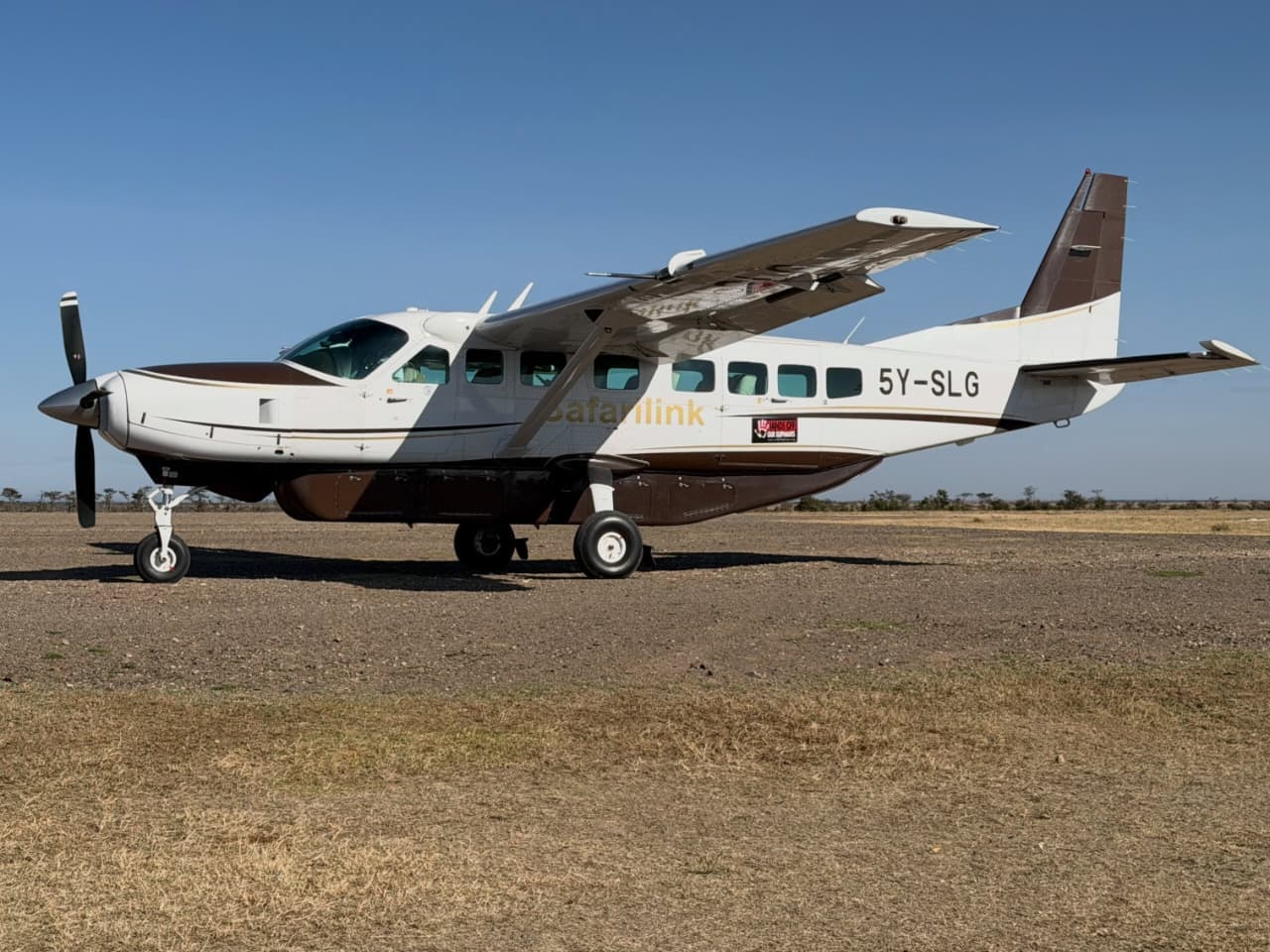
Flights that are scheduled leave Wilson Airport in Nairobi for a number of airstrips in the Mara area, generally lasting about 45 to 60 minutes, though the time may be longer if there are several landings. It is necessary to check the correct airstrip and make arrangements for transfer before buying the tickets.
Best Time to Visit
Wildlife can be viewed in the Maasai Mara all year round.
The Great Migration is most popular between July and October, which is when large herds may move from the Serengeti ecosystem in Tanzania into Kenya. Since river crossings are natural events that cannot be guaranteed, they are unpredictable.
From January to March, the conditions are usually fairly dry and are good for wildlife photography, whereas in the greener months the scenery is beautiful, there is good birdlife and accommodation rates may be lower.
Park Fees and What to Confirm Before Booking
The entry fees for adult non-residents to the Maasai Mara National Reserve are $100 from January through June and $200 from July through December, on a per entry day basis. The conservancy fee is usually additional, and the number of chargeable days will depend on the itinerary and the relevant ticket rules.
Before you confirm your accommodation, request a detailed quotation that includes the costs of meals, park or conservancy fees, game drives, transfers to and from the airstrip, drinks, and any other activities.
It is advisable to reserve between six and twelve months in advance during the peak migration period, especially in the case of small luxury camps which have limited availability.
Health, Safety, and Packing Essentials
The Centre for Disease Control gives advice on how to prevent malaria to people who are travelling to certain parts of Kenya, such as the game parks. It is advisable to speak to a travel-health professional before you leave and to obtain comprehensive travel insurance.
Take with you lightweight clothing that is neutral in colour, a warm layer for the early game drives, comfortable shoes, sunscreen, insect repellent, binoculars, and a camera.
Soft-sided luggage is very useful in the case of travel by light aircraft, since baggage limits can be tight.
At the camp you must follow the staff's instructions, should not walk outside the designated areas after dark without being accompanied, and must never get close to any wildlife.
What a Typical Day Looks Like
A typical morning on a safari starts with having either tea or coffee before going on an early game drive; afterwards you can have breakfast or go picnicking in the bush according to the itinerary.
Following lunch and having a bit of time to relax, you should then go on another game drive and later return for dinner, maybe with some stories told around the campfire.
Plan your Maasai Mara stay with Halo Safaris & DMC. Explore our safari lodges and camps or browse our Kenya safari packages. Our team will recommend accommodation suited to your travel dates, preferred comfort level, and wildlife interests, then arrange the complete safari through a personalized travel proposal.
Frequently Asked Questions
1. What Is the Best Area to Stay in the Maasai Mara?
The best location depends on the type of safari planned. Accommodation inside the national reserve offers direct access to game-viewing areas, while Mara North, Naboisho, and Olare Motorogi conservancies are attractive for quieter wildlife experiences and additional activities. Camps near Talek or Sekenani can offer good value, although driving distances and reserve-entry arrangements should be considered before booking.
2. How Much Does Maasai Mara Accommodation Cost per Night?
Maasai Mara accommodation prices vary significantly by location, season, facilities, and inclusions. Budget camps may cost approximately $40–$200 per person per night, mid-range accommodation around $250–$700, and luxury properties $750–$2,500 or more. These are indicative planning ranges, not fixed tariffs. Always confirm whether the quotation includes meals, game drives, park fees, and transfers.
3. Is It Better to Stay in a Safari Lodge or Tented Camp?
Both can provide excellent safari accommodation. Lodges typically offer permanent guest rooms and larger hotel-style facilities, making them popular with families and groups. Tented camps are often smaller and create a closer connection to the surrounding wilderness. High-end tented camps can be every bit as comfortable as luxury lodges, complete with en-suite bathrooms, private decks, and attentive service.
4. When Should I Book Maasai Mara Accommodation for the Great Migration?
For travel between July and October, booking six to twelve months ahead is advisable, particularly when considering small luxury camps or properties near popular wildlife-viewing areas. August and September are especially sought-after. Earlier reservations provide a wider accommodation choice and more flexibility with flights. However, migration movements depend on rainfall and grazing conditions, so specific river crossings cannot be guaranteed.