


Lewa Wildlife Conservancy
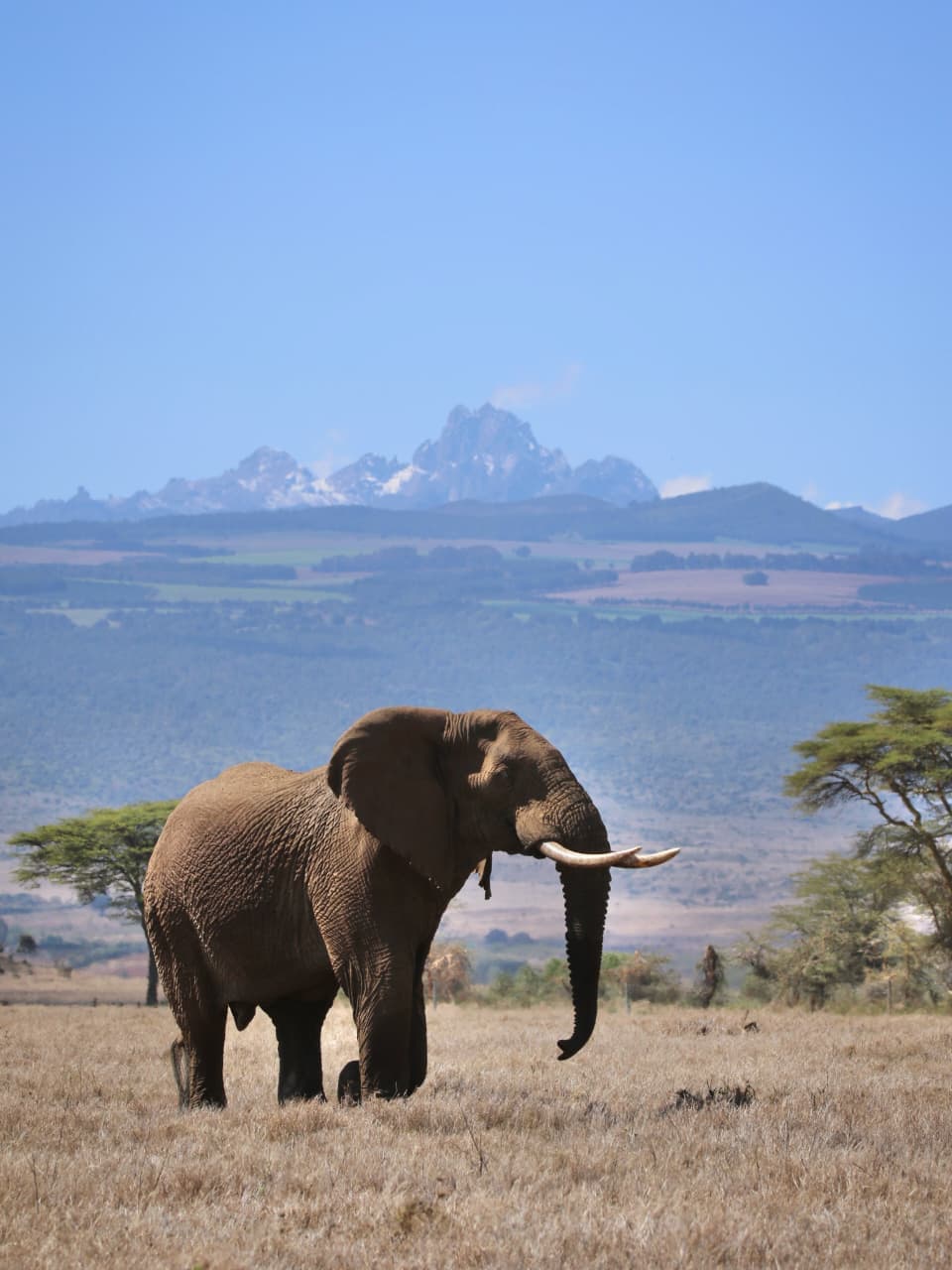
Lewa Wildlife Conservancy biedt enkele van de allerbeste wildervaringen in Noord-Kenia. De ervaring wordt versterkt door deskundige gidsen die elke ontmoeting met wilde dieren koppelen aan het lopende natuurbeschermingswerk.
Lewa ligt aan de voet van de Mount Kenya en is perfect voor stellen, gezinnen en fotografen die op zoek zijn naar een intieme ervaring en authentieke natuurbescherming. We kunnen een privé-roadtrip of een vlucht regelen en zullen u vooraf alle details over uw lodge, transfers en kosten voor natuurbescherming verstrekken.
Korte geschiedenis
Lewa begon te veranderen in 1983 toen de familie Craig en natuurbeschermer Anna Merz een reservaat voor zwarte neushoorns oprichtten op ongeveer 5.000 hectare van hun veeboerderij. De bescherming van neushoorns werd geleidelijk uitgebreid naar de ranch en het omliggende land en werd uiteindelijk de non-profitorganisatie Lewa Wildlife Conservancy.
Het reservaat verwierf internationale betekenis als het belangrijkste fokcentrum en de bron van neushoorns voor herintroductie in Kenia. De huidige werkzaamheden omvatten habitatbescherming, voorlichting aan de gemeenschap, ondersteuning van de gezondheidszorg en de ontwikkeling van samenwerkingsverbanden op het gebied van veiligheid.
In 2013 breidde UNESCO de werelderfgoedlocatie Mount Kenya National Park and Natural Forest uit met de Lewa Wildlife Conservancy en het Ngare Ndare Forest Reserve. Lewa maakt dus deel uit van de grotere UNESCO-site; het is geen aparte site.
Waar het zich bevindt
Lewa ligt in Meru County, ten zuiden van Isiolo en ten noorden van Mount Kenya, aan de noordelijke rand van het Laikipia-ecosysteem van Kenia.
Het reservaat beslaat zo'n 62.000 hectare en omvat zowel privégrond als habitat in het aangrenzende Ngare Ndare-bos. Het is een klein gebied met een grote verscheidenheid aan habitats, waaronder open savanne, wetlands, acaciabossen en uitzichten op Mount Kenya.
Nanyuki en Isiolo zijn de belangrijkste regionale knooppunten. Een verblijf in Lewa is een uitstekende uitvalsbasis voor een bezoek aan het Borana Conservancy, het Samburu National Reserve of zelfs een bredere reis naar Noord-Kenia.
Hoe er te komen
- Over de weg: Vanuit Nairobi rijdt u via Thika, Karatina, Naro Moru, Nanyuki, Timau en vervolgens richting Isiolo bij de kruising Meru/Isiolo. Dat is ongeveer 4-5 uur (260 km) als de wegen goed zijn, hoewel u uiteraard rekening moet houden met het verkeer in Nairobi, en de wegen kunnen erg slecht zijn.
- Met lijnvlucht: Safari Link en Air Kenya bieden dagelijkse vluchten aan vanaf Wilson Airport (WIL) in Nairobi naar Lewa Downs. De vlucht duurt normaal gesproken tussen de 45 en 60 minuten, maar kan langer duren als er een tussenstop is.
- Met een privécharter:u kunt een privécharter boeken voor flexibele vertrektijden vanaf Wilson Airport of via andere internationale verbindingen.
Vliegbanen
Lewa Downs Airstrip (LWA) is het belangrijkste toegangspunt voor het reservaat met dagelijkse lijnvluchten en goedgekeurde privécharters.
Belangrijkste attracties
De bescherming van neushoorns is de belangrijkste trekpleister van Lewa. Zowel zwarte als zuidelijke witte neushoorns leven hier onder 24-uurs bescherming, en u heeft een unieke kans om een bedreigde diersoort te zien herstellen. De gidsen zullen u het verschil uitleggen tussen de zwarte neushoorn (een bladeretende eter) en de witte neushoorn (een grazer), uiteraard met behoud van een veilige afstand.
- Bijzondere dieren: Lewa is de thuisbasis van een aantal bedreigde Grévyzebra's. De graslanden bieden ook een leefgebied aan netgiraffen, Beisa-oryxen, olifanten, Kaapse buffels en roofdieren zoals leeuwen, luipaarden en cheeta's.
- Diverse activiteiten: afhankelijk van uw lodge kunt u 's ochtends en 's middags gamedrives maken, begeleide wandelsafari's met gewapende rangers, nachtsafari's, safari's te paard, kameelritten en bezoeken aan het hoofdkantoor van het reservaat.
- Hoogtepunten van Lewa Wildlife Conservancy
- Lewa Wildlife Conservancy staat bekend om zijn neushoornbescherming, zeldzame wilde dieren, het adembenemende landschap van Mount Kenya en unieke safari-avonturen. Hier zijn enkele van de belangrijkste hoogtepunten:
- Uitzonderlijke ontmoetingen met neushoorns: Lewa is een van de beste plekken in Kenia voor de bescherming van neushoorns, waar u de kans krijgt om bedreigde zwarte en zuidelijke witte neushoorns in het wild te zien.
- Bedreigde Grévyzebra's: Bezoek een van de best beschermde gebieden voor de bedreigde Grévyzebra, bekend om zijn smalle strepen en grote oren.
- Wildernis met de Big Five: Maak begeleide safari's om olifanten, leeuwen, luipaarden, buffels en neushoorns te spotten, evenals cheeta's, netgiraffen en andere wilde dieren uit Noord-Kenia.
- Exclusieve begeleide safari-ervaringen: Verken Lewa met een privé-safari. autoritten, begeleide bushwandelingen, paardrijden of kameelsafari's, afhankelijk van uw lodge en wat er beschikbaar is.
- Erkenning als UNESCO-werelderfgoed: Lewa maakt sinds 2013 deel uit van de door UNESCO erkende werelderfgoedlocatie Mount Kenya, waardoor het een bijzondere plek is voor natuurbehoud.
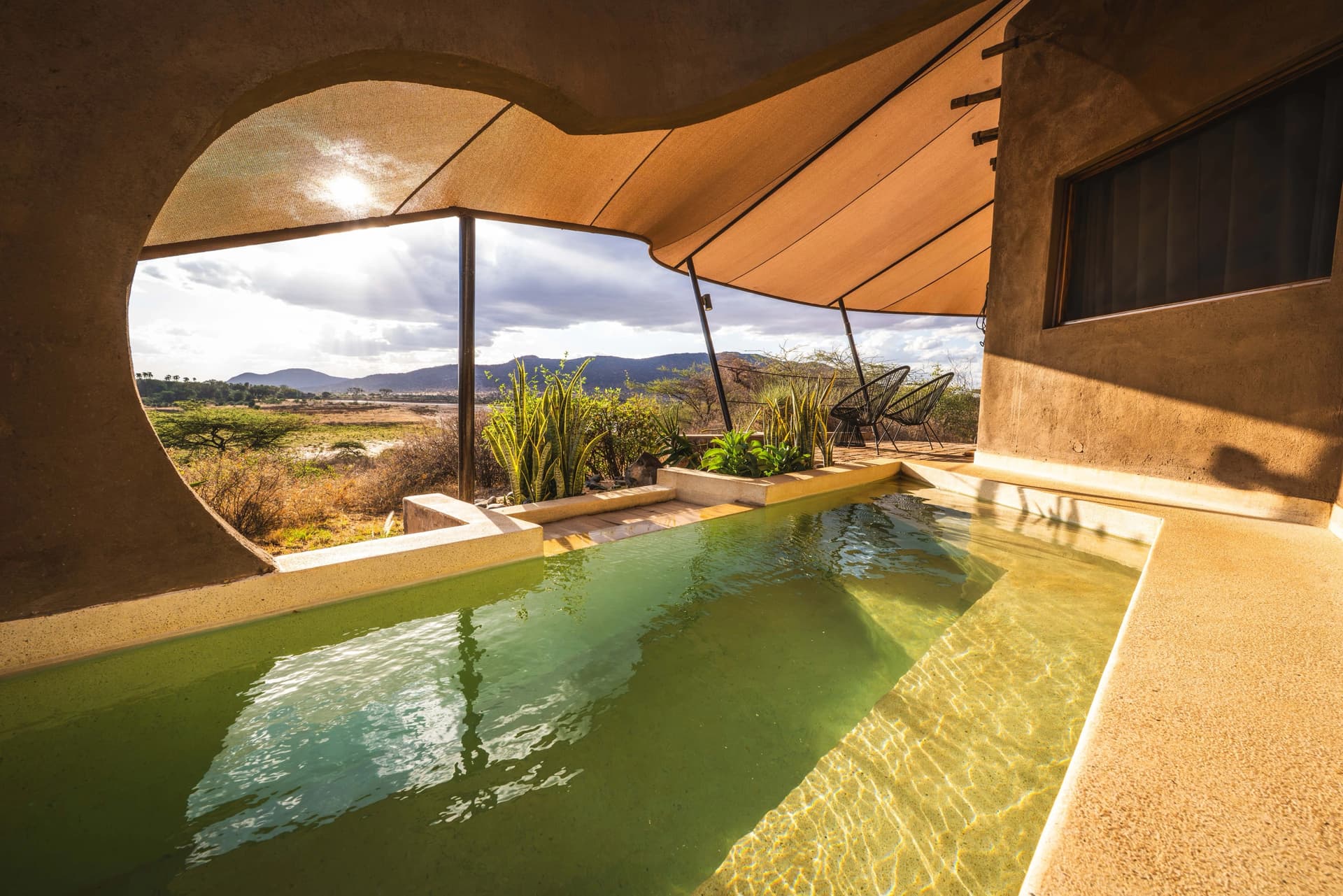
- Luxe safari-accommodatie: Kies uit topaccommodaties zoals Sirikoi Lodge, Lewa Wilderness, Lewa Safari Camp, Lewa House en Kifaru House, die allemaal een persoonlijke touch en een comfortabel verblijf bieden.
- Spectaculaire landschappen en vogels: Verken glooiende savannes, acaciabossen, schilderachtige valleien, vele soorten vogels en adembenemende uitzichten op Mount Kenya.
- Ervaringen achter de schermen van natuurbescherming: Ontdek hoe neushoorns worden beschermd, hoe wilde dieren worden gemonitord en hoe speurhonden en natuurbeschermingseducatie werken, met speciale activiteiten indien beschikbaar.
- Gemeenschapsnatuurbescherming en duurzaam toerisme: Ontdek hoe Lewa naburige gemeenschappen ondersteunt door middel van onderwijs, gezondheidszorg, werkgelegenheid, bescherming van wilde dieren en initiatieven voor duurzame ontwikkeling.
Belangrijkste voordelen van het reservaat
- Ongeëvenaarde neushoornwaarnemingen: U ziet hier vrijwel gegarandeerd neushoorns dankzij de voortdurende natuurbescherming werk.
- Speciale soorten in het noorden: Lewa heeft een aantal wilde dieren die uniek zijn voor Noord-Kenia, waaronder Grévyzebra's, Beisa-oryxen en netgiraffen.
- Exclusieve safari-activiteiten: nachtelijke ritten, wandelsafari's, paardrijden en canopy walks in het Ngare Ndare-bos.
- Bijzondere lodges: de bekende aangesloten accommodaties zijn Lewa Safari Camp, Lewa House, Sirikoi, Lewa Wilderness en Kifaru House.
Verantwoord toerisme en gedragscode
Lewa combineert uitstekende beveiliging tegen stroperij met gemeenschapsontwikkeling, gezondheidszorg en de aanleg van nieuwe olifantencorridors die Mount Kenya verbinden met de noordelijke graslanden.
- Bezoekers zijn verplicht zich te houden aan de De natuurbeschermingsregels van Lewa:
- Wilde dieren hebben absoluut recht van doorgang.
- Voertuigen moeten een veilige afstand bewaren tot alle dieren, met name neushoorns, olifanten en roofdieren.
- Wandelsafari's moeten altijd worden begeleid door een geautoriseerde, gewapende gids.
- Offroad rijden is alleen toegestaan in aangewezen zones om de inheemse grassen en bodems te beschermen.
Plan uw Lewa-safari met Halo Safaris & DMC
U kunt gamedrives, bijzondere natuurbeschermingservaringen en zorgvuldig geselecteerde lodges combineren voor een privéreis door Noord-Kenia.
Ontdek onze op maat gemaakte Kenia Fly-In Safaris, bekijk ons volledige aanbod aan Kenia Safaris, of neem contact met ons op om uw reis te plannen en een duidelijke, gedetailleerde offerte te ontvangen.
Parkoverzicht
Kampen en lodges in Safari's in Noord-Kenia.
Ashnil Samburu Camp
When people plan their first safari in Kenya, they usually begin by visiting the Maasai Mara. Northern Kenya, on the other hand, has dry red soil, palms by a broad river, and wildlife that you don't encounter further south. By staying at Ashnil Samburu Camp, you will find yourself on the banks of the Ewaso Nyiro River, in the Buffalo Springs National Reserve, right within the Samburu National Reserve, which lies directly opposite across the river.The Ashnil Samburu Camp is one of the camps and lodges that belong to the Ashnil Hotels group, which also has other establishments in game viewing areas all over Kenya; these other properties are the Ashnil Mara Camp close to the Mara River and the Ashnil Aruba Lodge in Tsavo East National Park.Getting to Samburu from NairobiThe Samburu trip begins in Nairobi; the camp is situated roughly 200 miles north of the city, and you may reach it by air or by road.By flight: a scheduled flight from Wilson Airport to Buffalo Springs Airstrip lasts approximately one hour. Once you arrive at the airstrip, our team will meet you and drive you to the camp. Since flights depart from Wilson Airport, you should plan for the drive across Nairobi. Flying allows you to see the game for an additional half day. If you want a smooth arrangement for air travel, consider our fly-in safari options, which go directly from Nairobi's Wilson Airport to Buffalo Springs Airstrip.By road: a 4x4 safari vehicle will take you 5 to 6 hours to reach the camp via Nanyuki and Isiolo, and driving is suitable for those who wish to stop at Ol Pejeta or Mount Kenya en route.Tents accommodationThe Ashnil Samburu Camp consists of 30 hexagonal tents arranged along a shaded part of the riverbank. Since each tent is built on a raised wooden platform with its face towards the Ewaso Nyiro, elephants and baboons are often seen when you are outside your tent.Deluxe Double18One king-size bedCouples and honeymoonersDeluxe Twin9Two single beds, rollaway optionFriends or a parent with a childDeluxe Triple3Three single bedsSmall families or groupsA double tent has a surface area of about 310 square feet and includes parquet floors, mosquito nets, a writing desk, a wardrobe, a fan, an in-room safe and a hair dryer. Each tent is equipped with an en-suite bathroom having a hot shower and a flush toilet, and we do provide tents that have been adapted for guests with disabilities.Dining at campThe restaurant situated outside has a capacity of 100 seats and provides buffets featuring both international and African food; in addition, lunches and dinners are available on a menu basis, a facility that is rare among the camps in the region. The kitchen can also prepare vegetarian, vegan, gluten-free and halal meals provided that they are requested in advance.Wildlife on a Samburu safariWhat mainly attracts visitors on a Samburu safari is the Samburu Special Five. These species, which are adapted to dry environments, are rare or missing in southern Kenya:The Grevy's zebra is larger than the plains zebra, has narrow stripes and round ears, and is an endangered species.The reticulated giraffe has a distinct, net-like pattern of liver-red patches.The Somali ostrich has blue-grey necks and legs.The Beisa oryx is a type of desert antelope which has long, straight horns.The gerenuk is an antelope with a long neck which feeds by standing on its back legs.Lions, leopards and cheetahs are found in both reserves, together with elephants, buffalo, hippos and spotted hyenas, and at certain times African wild dogs are seen there too.Activities at the campDay after day, your routine matches that of the bush, involving game drives during the cooler parts of the day and allowing you the opportunity to rest at camp when the midday heat arrives. The following activities are available to you during your stay.Game drivesYou can drive across Buffalo Springs and Samburu National Reserve in an open 4x4 vehicle, which has a guide for both morning and evening drives. If you go early, you will see the predators when they are still active, and in the evenings the elephants come down to the river to drink. You have to pay the entrance fees for each of the reserves. The animals are free to move across the river, and since you have access to both sides, your guide is able to cover more ground when animal sightings are scarce.Guided nature walksWhen walking, you become aware of the various things that a vehicle passes by, such as animal tracks, insects, plants, and the sounds of the riverbank. Each walk is led by a guide, who explains all the findings as you go. The walks carry an extra cost.BirdwatchingMore than 350 species of birds can be seen in the area, such as the vulturine guineafowl and the lilac-breasted roller. The trees beside the Ewaso Nyiro close to the camp are a good place to begin, so make sure your binoculars are with you.Samburu village visit and cultural eveningsThe Samburu are semi-nomadic herders who are closely related to the Maasai, and a number of our guides and staff are drawn from the local communities. If you want to see what daily life is like in a manyatta, you can visit a nearby village where you can buy beadwork straight from the women who produce it. At the camp, we have cultural talks and traditional dances in the evening.Bush breakfast and picnic lunchRather than going back to the camp after your morning drive, you might have breakfast in the reserve, and having a picnic lunch will allow you to remain out there for a longer period on a full-day drive.Sundowners and bush dinnersFinish the day by having drinks at a lookout that looks towards Ololokwe Mountain as the sun sets. If it is to be a special night, our staff will arrange a bush dinner or barbecue using lanterns.Swimming pool and spaWhile driving, the pool deck has a view of the river, with elephants and impala frequently coming there to drink. The spa provides massages and other treatments to relieve the muscle strain caused by spending long hours in the vehicle.When to visit SamburuIf you want to see wildlife, you should go between June and October and from January to February since the grass is shorter and so the animals are easier to spot; they gather along the river, which is the only reliable source of water. April and May, on the other hand, see the long rains; the landscape becomes greener, and there are fewer vehicles.Children’s policyThe Ashnil Samburu Camp is open to children of all ages, and the price you pay will be determined by the age of the children and the way in which they share a tent.Up to 3 yearsFreeAges 4 to 12, sharing with adults50% of the adult rateTwo children in their own tent75% of the adult rate eachThree children in their own tentFull double-tent rateOne adult with one childAdult single rate plus 50% of the half-twin rateIf you are going on a trip with children, you should refer to our guide regarding family safari packages to find out more about age restrictions, child-friendly lodging, and the special activities arranged.Practical tips for your tripFor tips and additional charges, please provide US dollars in the form of fresh and recently printed bills; card payments might be subject to an extra charge.Since Kenya uses three-pin plugs of the UK type (Type G), it's necessary to take an adapter with you.At least six weeks before your trip, go to a travel clinic to get information on malaria tablets and yellow fever vaccination.Take along some lightweight, neutral-coloured clothing, a hat, sunscreen, and binoculars.Check-in will begin at noon, and check-out must be completed by 10 A.M.Plan your Samburu safariAshnil Samburu Camp works well as the northern leg of your trip, before or after the Maasai Mara. Check dates and book your stay at Ashnil Samburu Camp with us today.
Beelden uit Lewa Wildlife Conservancy
Vertel ons over de reis.
Een bestemmingsexpert zal binnen één werkdag reageren met een voorstel op maat.
Plant u een safari? Gebruik onze reisplanner om direct een reis op maat samen te stellen.