


Lewa Wildlife Conservancy
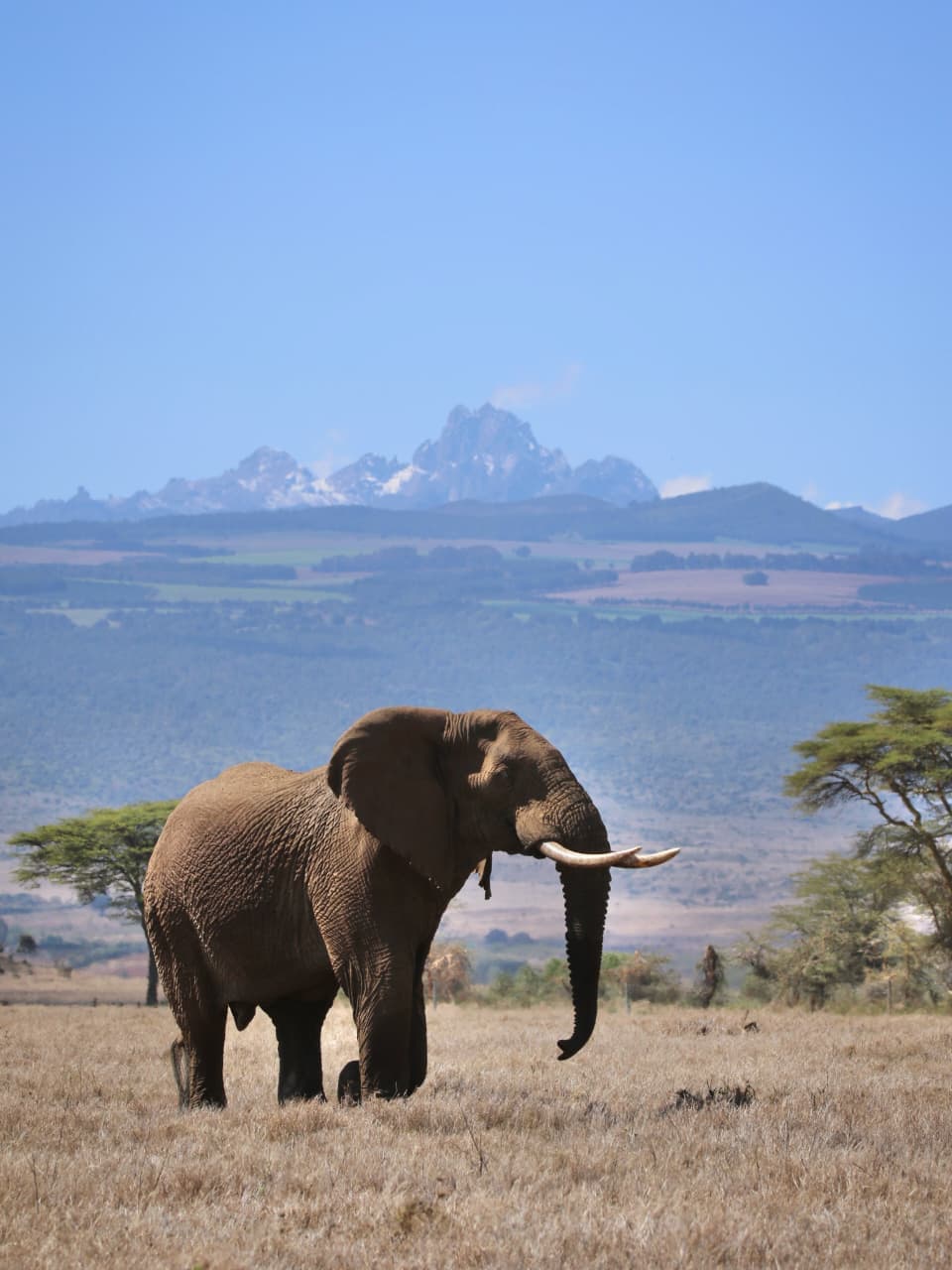
Das Lewa Wildlife Conservancy bietet einige der besten Wildtiererlebnisse im Norden Kenias. Erfahrene Guides bereichern dieses Erlebnis und stellen den Bezug jeder Tierbegegnung zu den laufenden Naturschutzprojekten her.
Am Fuße des Mount Kenya gelegen, ist Lewa ideal für Paare, Familien und Fotografen, die ein authentisches Naturerlebnis suchen. Wir organisieren gerne eine private Autoreise oder einen Flug und informieren Sie im Voraus über alle Details zu Ihrer Unterkunft, den Transfers und den Gebühren für den Naturschutz.
Kurze Geschichte
Lewa veränderte sich ab 1983, als die Familie Craig und die Naturschützerin Anna Merz auf einem etwa 2.000 Hektar großen Teil ihrer Rinderfarm ein Schutzgebiet für Spitzmaulnashörner einrichteten. Der Nashornschutz wurde schrittweise auf die Ranch und das umliegende Land ausgeweitet und entwickelte sich schließlich zur gemeinnützigen Lewa Wildlife Conservancy.
Das Schutzgebiet erlangte internationale Bedeutung als wichtigstes Zuchtzentrum und Quelle für Nashörner zur Wiederansiedlung in Kenia. Seine aktuellen Aufgaben umfassen den Schutz des Lebensraums, die Aufklärung der lokalen Bevölkerung, die Unterstützung der Gesundheitsversorgung und den Aufbau von Sicherheitspartnerschaften.
Im Jahr 2013 erweiterte die UNESCO das Welterbegebiet Mount Kenya Nationalpark und Naturwald um die Lewa Wildlife Conservancy und das Waldreservat Ngare Ndare. Lewa ist somit Teil des größeren UNESCO-Gebiets und kein eigenständiges Gebiet.
Lage
Lewa liegt im Meru County, südlich von Isiolo und nördlich des Mount Kenya, am nördlichen Rand des Laikipia-Ökosystems in Kenia. [[19]
Das Naturschutzgebiet umfasst rund 62.000 Acres und schließt sowohl Privatland als auch Lebensraum im angrenzenden Ngare-Ndare-Wald ein. Es handelt sich um ein kleines Gebiet mit einer großen Vielfalt an Lebensräumen, darunter offene Savanne, Feuchtgebiete, Akazienwälder und Ausblicke auf den Mount Kenya. [[21]
Nanyuki und Isiolo sind die wichtigsten regionalen Zentren. Ein Aufenthalt in Lewa ist idealer Ausgangspunkt für einen Besuch des Borana-Naturschutzgebiets, des Samburu-Nationalreservats oder auch für eine ausgedehntere Reise in den Norden Kenias. Anreise: Mit dem Auto: Von Nairobi aus fahren Sie über Thika, Karatina, Naro Moru, Nanyuki und Timau und biegen dann an der Kreuzung Meru/Isiolo in Richtung Isiolo ab. Die Fahrt dauert etwa 4–5 Stunden (260 km), sofern die Straßenverhältnisse gut sind. Planen Sie jedoch unbedingt den Verkehr in Nairobi ein, da die Straßen teilweise sehr schlecht sein können.
Flugplätze
Der Lewa Downs Airstrip (LWA) ist der wichtigste Luftzugangspunkt für das Naturschutzgebiet mit täglichen Linienflügen und genehmigten Privatchartern.
Hauptattraktionen
Der Nashornschutz ist die Hauptattraktion von Lewa. Sowohl Spitzmaulnashörner als auch Breitmaulnashörner leben hier unter 24-Stunden-Schutz, und Sie haben die einmalige Gelegenheit, die Erholung einer bedrohten Tierart zu beobachten. Die Guides erklären Ihnen den Unterschied zwischen dem Spitzmaulnashorn (einem Laubfresser) und dem Breitmaulnashorn (einem Grasfresser) und wahren dabei selbstverständlich einen sicheren Abstand.
- Besondere Tierwelt: Lewa ist die Heimat einer Reihe bedrohter Grevyzebras. Die Graslandschaften bieten auch Netzgiraffen, Beisa-Oryxantilopen, Elefanten, Kaffernbüffeln und Raubtieren wie Löwen, Leoparden und Geparden Lebensraum.
- Vielfältige Aktivitäten: Je nach Unterkunft können Sie morgendliche und nachmittägliche Pirschfahrten, geführte Wanderungen mit bewaffneten Rangern, Nachtfahrten, Reitsafaris, Kamelritte und Besuche der Naturschutzgebietsverwaltung unternehmen.
- Highlights des Lewa Wildlife Conservancy
- Das Lewa Wildlife Conservancy ist berühmt für seinen Nashornschutz, seine seltene Tierwelt, die atemberaubende Landschaft des Mount Kenya und seine einzigartigen Safari-Abenteuer. Hier einige der Highlights:
- Außergewöhnliche Nashornbegegnungen: Lewa ist einer der wichtigsten Orte in Kenia für den Nashornschutz und bietet Ihnen die Möglichkeit, die vom Aussterben bedrohten Spitzmaulnashörner und Südlichen Breitmaulnashörner in freier Wildbahn zu beobachten.
- Gefährdete Grevyzebras: Besuchen Sie eines der am besten geschützten Gebiete für das vom Aussterben bedrohte Grevyzebra, das für seine schmalen Streifen und großen Ohren bekannt ist.
- Beobachtung der „Big Five“: Unternehmen Sie geführte Pirschfahrten, um Elefanten, Löwen, Leoparden, Büffel und Nashörner sowie Geparden, Netzgiraffen und andere Wildtiere aus Nordkenia zu entdecken.
- Exklusiv Geführte Safari-Erlebnisse: Erkunden Sie Lewa mit privaten Pirschfahrten, geführten Buschwanderungen, Reitausflügen oder Kamelsafaris, je nach Lodge und Verfügbarkeit.
- UNESCO-Welterbe-Anerkennung: Lewa ist seit 2013 Teil des UNESCO-Welterbes Mount Kenya und somit ein besonderer Ort für den Naturschutz.
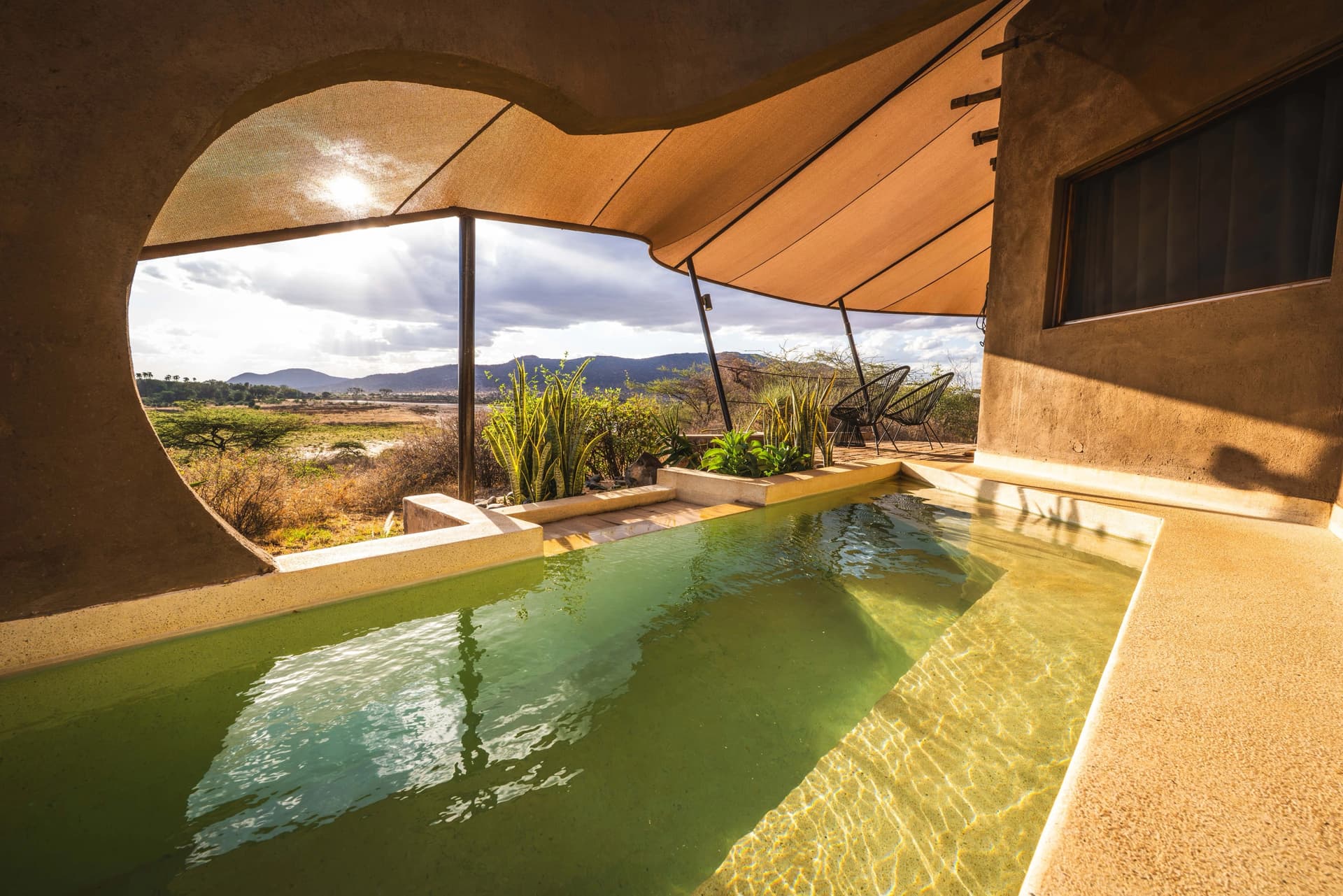
- Luxuriöse Safari-Unterkünfte:: Wählen Sie aus erstklassigen Unterkünften wie der Sirikoi Lodge, Lewa Wilderness, dem Lewa Safari Camp, dem Lewa House und dem Kifaru House, die alle persönlichen Service und hohen Komfort bieten.
- Spektakuläre Landschaften und Vogelwelt: Erkunden Sie die sanften Hügel der Savanne. Savannen, Akazienwälder, malerische Täler, eine Vielzahl von Vogelarten und atemberaubende Ausblicke auf den Mount Kenya.
- Naturschutz hinter den Kulissen: Erfahren Sie, wie Nashörner geschützt, Wildtiere überwacht und Spürhunde sowie Naturschutzbildung eingesetzt werden – je nach Verfügbarkeit mit besonderen Aktivitäten.
- Gemeinschaftlicher Naturschutz und nachhaltiger Tourismus: Entdecken Sie, wie Lewa die umliegenden Gemeinden durch Bildung, Gesundheitsversorgung, Beschäftigung, Wildtierschutz und Initiativen für nachhaltige Entwicklung unterstützt.
Wichtigste Vorteile des Naturschutzgebiets
- Unvergleichlich Nashornsichtungen: Aufgrund der laufenden Naturschutzbemühungen ist es hier praktisch garantiert, Nashörner zu sehen.
- Besondere Arten des Nordens: In Lewa gibt es einige Wildtiere, die nur im nördlichen Kenia vorkommen, darunter Grevyzebras, Beisa-Oryxantilopen und Netzgiraffen.
- Exklusive Safari-Aktivitäten: Nachtfahrten, Wandersafaris, Reiten und Baumkronenwanderungen im Ngare-Ndare-Wald.
- Besondere Lodges: Zu den bekannten Mitgliedsunterkünften gehören das Lewa Safari Camp, das Lewa House, Sirikoi, Lewa Wilderness und das Kifaru House.
Verantwortungsvoller Tourismus und Verhaltenskodex
Lewa verbindet exzellente Maßnahmen gegen Wilderei mit Gemeindeentwicklung, Gesundheitsversorgung und der Schaffung neuer Elefantenkorridore, die den Mount Kenya mit dem Norden verbinden. Weideland.
- Besucher sind verpflichtet, die Naturschutzregeln von Lewa zu befolgen:
- Wildtiere haben absolutes Vorfahrtsrecht.
- Fahrzeuge müssen einen sicheren Abstand zu allen Tieren, insbesondere zu Nashörnern, Elefanten und Raubtieren, einhalten.
- Wandersafaris müssen stets von einem autorisierten, bewaffneten Führer geleitet werden.
- Abseits der Straßen ist das Fahren nur in ausgewiesenen Zonen erlaubt, um die einheimischen Gräser und Böden zu schützen.
Planen Sie Ihre Lewa-Safari mit Halo Safaris & DMC
Sie können Pirschfahrten, besondere Naturschutzerlebnisse und handverlesene Lodges zu einer privaten Reise durch Nordkenia kombinieren.
Entdecken Sie unsere individuellen Kenia-Flugsafaris, sehen Sie sich unser gesamtes Angebot an Kenia-Safaris an oder kontaktieren Sie uns, um Ihre Reise zu planen und ein transparentes, detailliertes Angebot zu erhalten.
Parkübersicht
Camps und Lodges in Safaris in Nordkenia.
Ashnil Samburu Camp
When people plan their first safari in Kenya, they usually begin by visiting the Maasai Mara. Northern Kenya, on the other hand, has dry red soil, palms by a broad river, and wildlife that you don't encounter further south. By staying at Ashnil Samburu Camp, you will find yourself on the banks of the Ewaso Nyiro River, in the Buffalo Springs National Reserve, right within the Samburu National Reserve, which lies directly opposite across the river.The Ashnil Samburu Camp is one of the camps and lodges that belong to the Ashnil Hotels group, which also has other establishments in game viewing areas all over Kenya; these other properties are the Ashnil Mara Camp close to the Mara River and the Ashnil Aruba Lodge in Tsavo East National Park.Getting to Samburu from NairobiThe Samburu trip begins in Nairobi; the camp is situated roughly 200 miles north of the city, and you may reach it by air or by road.By flight: a scheduled flight from Wilson Airport to Buffalo Springs Airstrip lasts approximately one hour. Once you arrive at the airstrip, our team will meet you and drive you to the camp. Since flights depart from Wilson Airport, you should plan for the drive across Nairobi. Flying allows you to see the game for an additional half day. If you want a smooth arrangement for air travel, consider our fly-in safari options, which go directly from Nairobi's Wilson Airport to Buffalo Springs Airstrip.By road: a 4x4 safari vehicle will take you 5 to 6 hours to reach the camp via Nanyuki and Isiolo, and driving is suitable for those who wish to stop at Ol Pejeta or Mount Kenya en route.Tents accommodationThe Ashnil Samburu Camp consists of 30 hexagonal tents arranged along a shaded part of the riverbank. Since each tent is built on a raised wooden platform with its face towards the Ewaso Nyiro, elephants and baboons are often seen when you are outside your tent.Deluxe Double18One king-size bedCouples and honeymoonersDeluxe Twin9Two single beds, rollaway optionFriends or a parent with a childDeluxe Triple3Three single bedsSmall families or groupsA double tent has a surface area of about 310 square feet and includes parquet floors, mosquito nets, a writing desk, a wardrobe, a fan, an in-room safe and a hair dryer. Each tent is equipped with an en-suite bathroom having a hot shower and a flush toilet, and we do provide tents that have been adapted for guests with disabilities.Dining at campThe restaurant situated outside has a capacity of 100 seats and provides buffets featuring both international and African food; in addition, lunches and dinners are available on a menu basis, a facility that is rare among the camps in the region. The kitchen can also prepare vegetarian, vegan, gluten-free and halal meals provided that they are requested in advance.Wildlife on a Samburu safariWhat mainly attracts visitors on a Samburu safari is the Samburu Special Five. These species, which are adapted to dry environments, are rare or missing in southern Kenya:The Grevy's zebra is larger than the plains zebra, has narrow stripes and round ears, and is an endangered species.The reticulated giraffe has a distinct, net-like pattern of liver-red patches.The Somali ostrich has blue-grey necks and legs.The Beisa oryx is a type of desert antelope which has long, straight horns.The gerenuk is an antelope with a long neck which feeds by standing on its back legs.Lions, leopards and cheetahs are found in both reserves, together with elephants, buffalo, hippos and spotted hyenas, and at certain times African wild dogs are seen there too.Activities at the campDay after day, your routine matches that of the bush, involving game drives during the cooler parts of the day and allowing you the opportunity to rest at camp when the midday heat arrives. The following activities are available to you during your stay.Game drivesYou can drive across Buffalo Springs and Samburu National Reserve in an open 4x4 vehicle, which has a guide for both morning and evening drives. If you go early, you will see the predators when they are still active, and in the evenings the elephants come down to the river to drink. You have to pay the entrance fees for each of the reserves. The animals are free to move across the river, and since you have access to both sides, your guide is able to cover more ground when animal sightings are scarce.Guided nature walksWhen walking, you become aware of the various things that a vehicle passes by, such as animal tracks, insects, plants, and the sounds of the riverbank. Each walk is led by a guide, who explains all the findings as you go. The walks carry an extra cost.BirdwatchingMore than 350 species of birds can be seen in the area, such as the vulturine guineafowl and the lilac-breasted roller. The trees beside the Ewaso Nyiro close to the camp are a good place to begin, so make sure your binoculars are with you.Samburu village visit and cultural eveningsThe Samburu are semi-nomadic herders who are closely related to the Maasai, and a number of our guides and staff are drawn from the local communities. If you want to see what daily life is like in a manyatta, you can visit a nearby village where you can buy beadwork straight from the women who produce it. At the camp, we have cultural talks and traditional dances in the evening.Bush breakfast and picnic lunchRather than going back to the camp after your morning drive, you might have breakfast in the reserve, and having a picnic lunch will allow you to remain out there for a longer period on a full-day drive.Sundowners and bush dinnersFinish the day by having drinks at a lookout that looks towards Ololokwe Mountain as the sun sets. If it is to be a special night, our staff will arrange a bush dinner or barbecue using lanterns.Swimming pool and spaWhile driving, the pool deck has a view of the river, with elephants and impala frequently coming there to drink. The spa provides massages and other treatments to relieve the muscle strain caused by spending long hours in the vehicle.When to visit SamburuIf you want to see wildlife, you should go between June and October and from January to February since the grass is shorter and so the animals are easier to spot; they gather along the river, which is the only reliable source of water. April and May, on the other hand, see the long rains; the landscape becomes greener, and there are fewer vehicles.Children’s policyThe Ashnil Samburu Camp is open to children of all ages, and the price you pay will be determined by the age of the children and the way in which they share a tent.Up to 3 yearsFreeAges 4 to 12, sharing with adults50% of the adult rateTwo children in their own tent75% of the adult rate eachThree children in their own tentFull double-tent rateOne adult with one childAdult single rate plus 50% of the half-twin rateIf you are going on a trip with children, you should refer to our guide regarding family safari packages to find out more about age restrictions, child-friendly lodging, and the special activities arranged.Practical tips for your tripFor tips and additional charges, please provide US dollars in the form of fresh and recently printed bills; card payments might be subject to an extra charge.Since Kenya uses three-pin plugs of the UK type (Type G), it's necessary to take an adapter with you.At least six weeks before your trip, go to a travel clinic to get information on malaria tablets and yellow fever vaccination.Take along some lightweight, neutral-coloured clothing, a hat, sunscreen, and binoculars.Check-in will begin at noon, and check-out must be completed by 10 A.M.Plan your Samburu safariAshnil Samburu Camp works well as the northern leg of your trip, before or after the Maasai Mara. Check dates and book your stay at Ashnil Samburu Camp with us today.
Impressionen aus Lewa Wildlife Conservancy
Erzählen Sie uns von der Reise.
Ein Reisezielspezialist wird innerhalb eines Werktages mit einem maßgeschneiderten Angebot antworten.
Planen Sie eine Safari? Nutzen Sie unseren Reiseplaner, um eine maßgeschneiderte Reiseroute zu erstellen.