


莱瓦野生动物保护区
莱瓦野生动物保护区提供肯尼亚北部最棒的野生动物体验。经验丰富的向导会将每一次野生动物邂逅与正在进行的保护工作联系起来,让您的体验更加精彩。
莱瓦位于肯尼亚山山麓,是情侣、家庭和摄影爱好者寻求私密体验和真正自然保护的理想之选。我们可以安排私人公路旅行或乘飞机前往,并提前提供您的住宿、接送和保护费用等所有详细信息。
简史
莱瓦的历史始于1983年,当时克雷格家族和自然保护主义者安娜·默茨在他们约5000英亩的牧场上建立了一个黑犀牛保护区。犀牛保护范围逐渐扩大,覆盖了牧场及其周边地区,最终发展成为非营利组织莱瓦野生动物保护区。[9][10]该保护区作为主要的犀牛繁育中心和犀牛重引入肯尼亚的种源地,在国际上具有重要意义。其目前的工作包括栖息地保护、社区教育、医疗保健支持以及安全伙伴关系的建立。[11][12]2013年,联合国教科文组织将莱瓦野生动物保护区和恩加雷恩达雷森林保护区纳入肯尼亚山国家公园和天然森林世界遗产地范围。因此,莱瓦是联合国教科文组织世界遗产地的一部分,而非一个独立的遗产地。[13][14][15]地理位置[16][17][18]莱瓦位于梅鲁郡,在伊西奥洛以南,肯尼亚山以北,处于肯尼亚莱基皮亚生态系统的北缘。
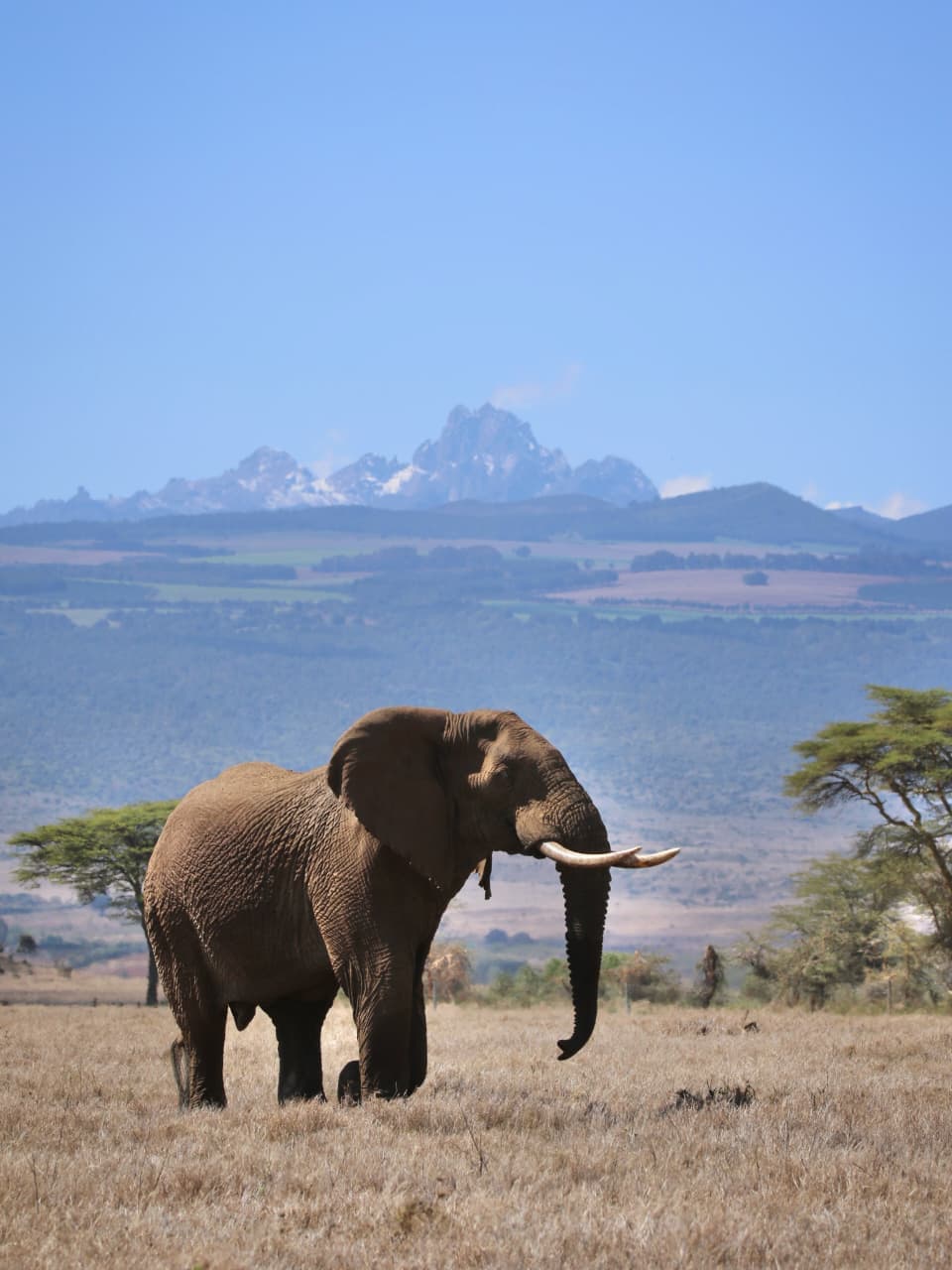
保护区面积约62,000英亩,包括私人土地以及毗邻的恩加雷恩达雷森林的栖息地。这是一个面积虽小但栖息地类型丰富的区域,包括开阔的稀树草原、湿地、金合欢林地,以及肯尼亚山的景色。
纳纽基和伊西奥洛是该地区的主要枢纽城镇。住在莱瓦 (Lewa) 非常方便前往博拉纳自然保护区 (Borana Conservancy)、桑布鲁国家保护区 (Samburu National Reserve),或者更远一些,前往肯尼亚北部地区。如何到达:从内罗毕出发,途经锡卡 (Thika)、卡拉蒂纳 (Karatina)、纳罗莫鲁 (Naro Moru)、纳纽基 (Nanyuki)、蒂毛 (Timau),然后在梅鲁/伊西奥洛 (Meru/Isiolo) 路口前往伊西奥洛 (Isiolo)。如果路况良好,大约需要 4-5 小时(260 公里),但显然您需要考虑到内罗毕的交通状况,而且路况可能非常糟糕。
简易机场
莱瓦唐斯简易机场 (LWA) 是保护区的主要空中通道,每日有定期航班和经批准的私人包机。
主要景点
犀牛保护是莱瓦的主要吸引力。这里黑犀牛和南方白犀牛都受到24小时保护,您将有机会亲眼目睹濒危物种的复苏。导游会为您讲解黑犀牛(以树叶为食)和白犀牛(以草为食)的区别,当然,他们会与您保持安全距离。
- 特色野生动物:莱瓦也是一些濒危的格雷维斑马的家园。草原也为网纹长颈鹿、贝萨羚羊、大象、非洲水牛以及狮子、豹子和猎豹等捕食者提供了栖息地。
- 丰富多彩的活动:根据您入住的旅馆,您可以参加早晚的驱车游猎、由武装护林员带领的徒步旅行、夜间驱车游猎、骑马游猎、骑骆驼以及参观保护区总部。
- 莱瓦野生动物保护区的亮点
- 莱瓦野生动物保护区以其犀牛保护、珍稀野生动物、壮丽的肯尼亚山景色和独特的游猎探险而闻名。以下是一些主要亮点:
- 非凡的犀牛邂逅:莱瓦是肯尼亚最重要的犀牛保护区之一,让您有机会在野外观赏濒危的黑犀牛和南方白犀牛。
- 濒危的格雷维斑马:参观格雷维斑马的最佳保护区之一,这种斑马以其狭窄的条纹和大耳朵而闻名。
- 观赏“非洲五霸”:参加导游带领的游猎之旅,寻找大象、狮子、豹子、水牛和犀牛,以及猎豹、网纹长颈鹿和肯尼亚北部的其他野生动物。
- 专属导游带领的野生动物之旅体验: 您可以选择私人驱车游猎、导游带领的丛林徒步、骑马或骆驼之旅来探索莱瓦,具体取决于您入住的营地和提供的服务。
- 联合国教科文组织世界遗产认证: 自2013年以来,莱瓦一直是联合国教科文组织列入名录的肯尼亚山世界遗产的一部分,使其成为一个特殊的自然保护区。
- 豪华狩猎住宿: 您可以选择顶级住宿地点,例如 Sirikoi Lodge、Lewa Wilderness、Lewa Safari Camp、Lewa House 和 Kifaru House,所有这些住宿地点都提供个性化服务和舒适的住宿体验。
- 壮丽的景观和鸟类: 探索连绵起伏的景色稀树草原、金合欢林地、风景秀丽的山谷、种类繁多的鸟类,以及肯尼亚山的壮丽景色。[107][108][109]幕后保护体验:[110]了解犀牛是如何受到保护的,野生动物是如何被监测的,追踪犬和保护教育是如何运作的,以及在条件允许的情况下可以参加特别活动。[111][112][113]社区保护和可持续旅游:[114]了解莱瓦如何通过教育、医疗保健、就业、野生动物保护和可持续发展举措来支持周边社区。[115][116][117][118][119]保护区的主要优势[120][121][122][123][124][125]无与伦比的犀牛目击记录: 由于持续的保护工作,您几乎可以肯定在这里看到犀牛。
- 北部特有物种: 莱瓦有一些肯尼亚北部特有的野生动物,包括格雷维斑马、贝萨羚羊和网纹长颈鹿。
- 专属的野生动物园活动:在恩加雷恩达雷森林 (Ngare Ndare Forest) 体验夜间驱车游猎、徒步旅行、骑马和树冠漫步。
- 特色旅馆:知名成员酒店包括莱瓦野生动物园营地 (Lewa Safari Camp)、莱瓦之家 (Lewa House)、西里科伊 (Sirikoi)、莱瓦荒野 (Lewa Wilderness) 和基法鲁之家 (Kifaru House)。
负责任的旅游和行为准则
莱瓦将卓越的反盗猎安全措施与社区发展、医疗保健以及连接肯尼亚山和北部地区的新大象走廊的创建相结合。牧场。
- 游客必须遵守莱瓦的保护规则:
- 野生动物拥有绝对的通行权。
- 车辆必须与所有动物保持安全距离,特别是犀牛、大象和捕食者。
- 徒步旅行必须始终由获得授权的持枪向导带领。
- 越野驾驶仅允许在指定区域进行,以保护原生草地和土壤。
与 Halo Safaris 一起规划您的莱瓦之旅 & DMC
您可以将野生动物观赏之旅、特别的自然保护体验和精心挑选的住宿相结合,打造专属的肯尼亚北部之旅。
肯尼亚北部野生动物园的营地和旅馆。
Ashnil Samburu Camp
When people plan their first safari in Kenya, they usually begin by visiting the Maasai Mara. Northern Kenya, on the other hand, has dry red soil, palms by a broad river, and wildlife that you don't encounter further south. By staying at Ashnil Samburu Camp, you will find yourself on the banks of the Ewaso Nyiro River, in the Buffalo Springs National Reserve, right within the Samburu National Reserve, which lies directly opposite across the river.The Ashnil Samburu Camp is one of the camps and lodges that belong to the Ashnil Hotels group, which also has other establishments in game viewing areas all over Kenya; these other properties are the Ashnil Mara Camp close to the Mara River and the Ashnil Aruba Lodge in Tsavo East National Park.Getting to Samburu from NairobiThe Samburu trip begins in Nairobi; the camp is situated roughly 200 miles north of the city, and you may reach it by air or by road.By flight: a scheduled flight from Wilson Airport to Buffalo Springs Airstrip lasts approximately one hour. Once you arrive at the airstrip, our team will meet you and drive you to the camp. Since flights depart from Wilson Airport, you should plan for the drive across Nairobi. Flying allows you to see the game for an additional half day. If you want a smooth arrangement for air travel, consider our fly-in safari options, which go directly from Nairobi's Wilson Airport to Buffalo Springs Airstrip.By road: a 4x4 safari vehicle will take you 5 to 6 hours to reach the camp via Nanyuki and Isiolo, and driving is suitable for those who wish to stop at Ol Pejeta or Mount Kenya en route.Tents accommodationThe Ashnil Samburu Camp consists of 30 hexagonal tents arranged along a shaded part of the riverbank. Since each tent is built on a raised wooden platform with its face towards the Ewaso Nyiro, elephants and baboons are often seen when you are outside your tent.Deluxe Double18One king-size bedCouples and honeymoonersDeluxe Twin9Two single beds, rollaway optionFriends or a parent with a childDeluxe Triple3Three single bedsSmall families or groupsA double tent has a surface area of about 310 square feet and includes parquet floors, mosquito nets, a writing desk, a wardrobe, a fan, an in-room safe and a hair dryer. Each tent is equipped with an en-suite bathroom having a hot shower and a flush toilet, and we do provide tents that have been adapted for guests with disabilities.Dining at campThe restaurant situated outside has a capacity of 100 seats and provides buffets featuring both international and African food; in addition, lunches and dinners are available on a menu basis, a facility that is rare among the camps in the region. The kitchen can also prepare vegetarian, vegan, gluten-free and halal meals provided that they are requested in advance.Wildlife on a Samburu safariWhat mainly attracts visitors on a Samburu safari is the Samburu Special Five. These species, which are adapted to dry environments, are rare or missing in southern Kenya:The Grevy's zebra is larger than the plains zebra, has narrow stripes and round ears, and is an endangered species.The reticulated giraffe has a distinct, net-like pattern of liver-red patches.The Somali ostrich has blue-grey necks and legs.The Beisa oryx is a type of desert antelope which has long, straight horns.The gerenuk is an antelope with a long neck which feeds by standing on its back legs.Lions, leopards and cheetahs are found in both reserves, together with elephants, buffalo, hippos and spotted hyenas, and at certain times African wild dogs are seen there too.Activities at the campDay after day, your routine matches that of the bush, involving game drives during the cooler parts of the day and allowing you the opportunity to rest at camp when the midday heat arrives. The following activities are available to you during your stay.Game drivesYou can drive across Buffalo Springs and Samburu National Reserve in an open 4x4 vehicle, which has a guide for both morning and evening drives. If you go early, you will see the predators when they are still active, and in the evenings the elephants come down to the river to drink. You have to pay the entrance fees for each of the reserves. The animals are free to move across the river, and since you have access to both sides, your guide is able to cover more ground when animal sightings are scarce.Guided nature walksWhen walking, you become aware of the various things that a vehicle passes by, such as animal tracks, insects, plants, and the sounds of the riverbank. Each walk is led by a guide, who explains all the findings as you go. The walks carry an extra cost.BirdwatchingMore than 350 species of birds can be seen in the area, such as the vulturine guineafowl and the lilac-breasted roller. The trees beside the Ewaso Nyiro close to the camp are a good place to begin, so make sure your binoculars are with you.Samburu village visit and cultural eveningsThe Samburu are semi-nomadic herders who are closely related to the Maasai, and a number of our guides and staff are drawn from the local communities. If you want to see what daily life is like in a manyatta, you can visit a nearby village where you can buy beadwork straight from the women who produce it. At the camp, we have cultural talks and traditional dances in the evening.Bush breakfast and picnic lunchRather than going back to the camp after your morning drive, you might have breakfast in the reserve, and having a picnic lunch will allow you to remain out there for a longer period on a full-day drive.Sundowners and bush dinnersFinish the day by having drinks at a lookout that looks towards Ololokwe Mountain as the sun sets. If it is to be a special night, our staff will arrange a bush dinner or barbecue using lanterns.Swimming pool and spaWhile driving, the pool deck has a view of the river, with elephants and impala frequently coming there to drink. The spa provides massages and other treatments to relieve the muscle strain caused by spending long hours in the vehicle.When to visit SamburuIf you want to see wildlife, you should go between June and October and from January to February since the grass is shorter and so the animals are easier to spot; they gather along the river, which is the only reliable source of water. April and May, on the other hand, see the long rains; the landscape becomes greener, and there are fewer vehicles.Children’s policyThe Ashnil Samburu Camp is open to children of all ages, and the price you pay will be determined by the age of the children and the way in which they share a tent.Up to 3 yearsFreeAges 4 to 12, sharing with adults50% of the adult rateTwo children in their own tent75% of the adult rate eachThree children in their own tentFull double-tent rateOne adult with one childAdult single rate plus 50% of the half-twin rateIf you are going on a trip with children, you should refer to our guide regarding family safari packages to find out more about age restrictions, child-friendly lodging, and the special activities arranged.Practical tips for your tripFor tips and additional charges, please provide US dollars in the form of fresh and recently printed bills; card payments might be subject to an extra charge.Since Kenya uses three-pin plugs of the UK type (Type G), it's necessary to take an adapter with you.At least six weeks before your trip, go to a travel clinic to get information on malaria tablets and yellow fever vaccination.Take along some lightweight, neutral-coloured clothing, a hat, sunscreen, and binoculars.Check-in will begin at noon, and check-out must be completed by 10 A.M.Plan your Samburu safariAshnil Samburu Camp works well as the northern leg of your trip, before or after the Maasai Mara. Check dates and book your stay at Ashnil Samburu Camp with us today.
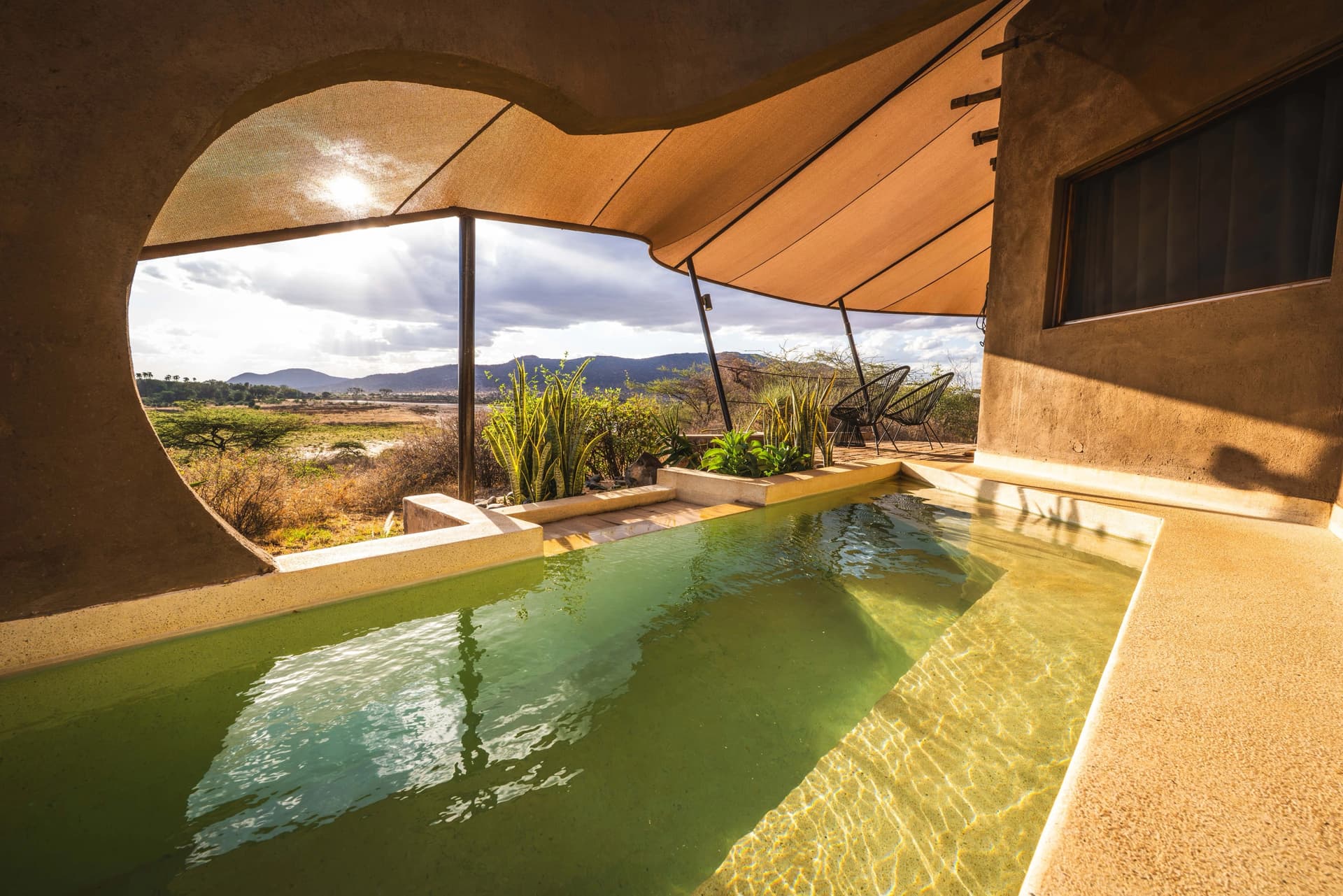
莱瓦野生动物保护区掠影