


Riserva naturale di Lewa
La Lewa Wildlife Conservancy offre alcune delle migliori esperienze di osservazione della fauna selvatica nel Kenya settentrionale. L'esperienza è arricchita da guide esperte che collegheranno ogni incontro con la fauna selvatica al lavoro di conservazione in corso.
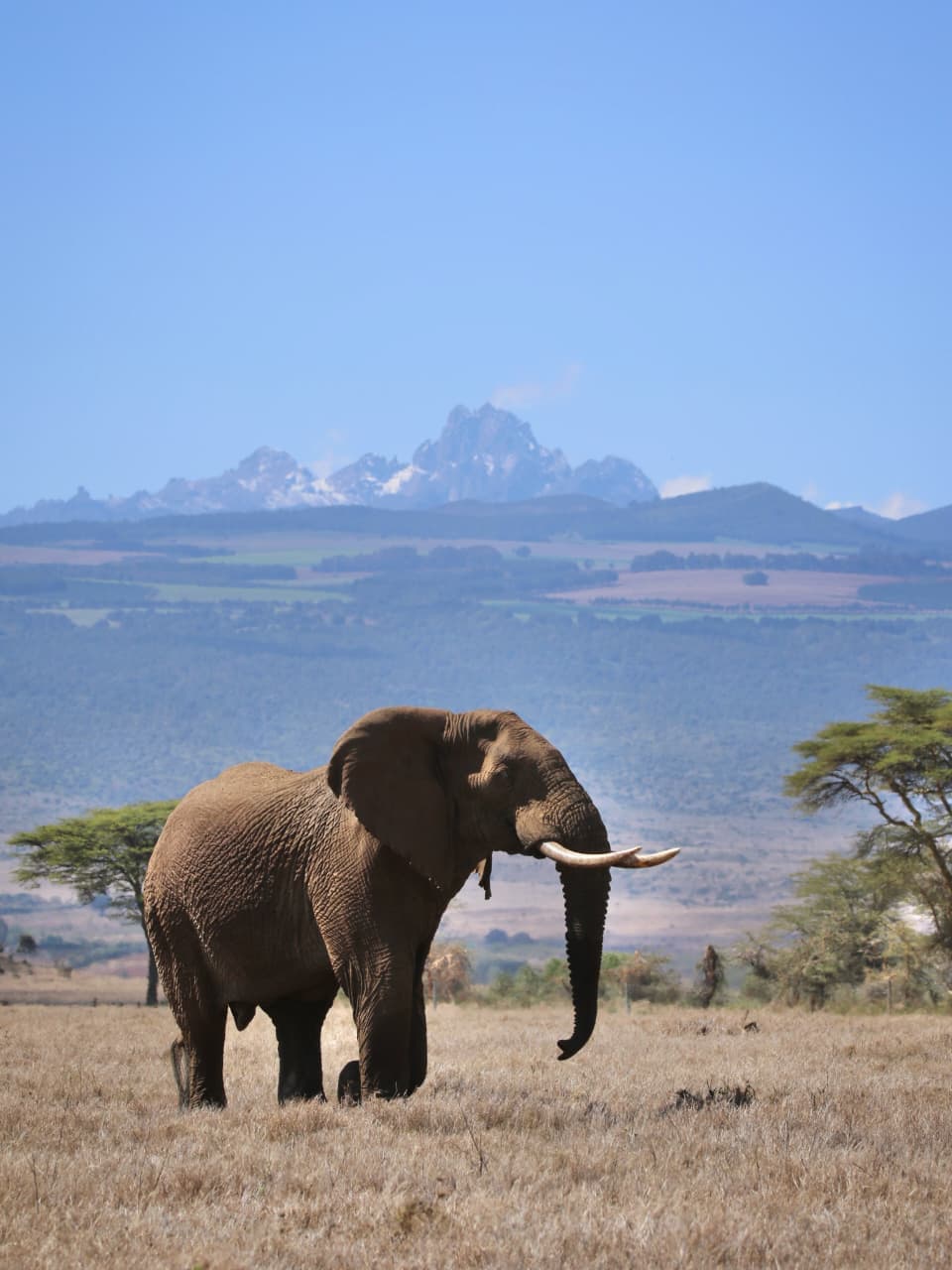
Situata ai piedi del Monte Kenya, Lewa è perfetta per coppie, famiglie e fotografi che cercano un'esperienza intima e una conservazione autentica. Possiamo organizzare un viaggio privato in auto o un volo e vi forniremo in anticipo tutti i dettagli del vostro lodge, dei trasferimenti e delle tariffe di conservazione.
Breve storia
Lewa ha iniziato a cambiare nel 1983 quando la famiglia Craig e la conservazionista Anna Merz hanno istituito un santuario per rinoceronti neri su circa 5.000 acri del loro ranch di bestiame. La protezione dei rinoceronti si è gradualmente estesa fino a coprire il ranch e i terreni circostanti, diventando infine l'organizzazione no-profit Lewa Wildlife Conservancy.
La riserva è diventata di importanza internazionale come principale centro di riproduzione e fonte di rinoceronti per la reintroduzione in Kenya. Il suo lavoro attuale comprende la protezione dell'habitat, l'educazione della comunità, il supporto all'assistenza sanitaria e lo sviluppo di partenariati per la sicurezza.
Nel 2013, l'UNESCO ha ampliato il sito Patrimonio Mondiale del Parco Nazionale e della Foresta Naturale del Monte Kenya per includere la Lewa Wildlife Conservancy e la Riserva Forestale di Ngare Ndare. Quindi Lewa fa parte del più ampio sito UNESCO; non è un sito separato.
Dove si trova
Lewa si trova nella contea di Meru, a sud di Isiolo e a nord del Monte Kenya, sul margine settentrionale dell'ecosistema Laikipia del Kenya.
L'area protetta si estende per circa 62.000 acri e comprende terreni privati e habitat nella vicina foresta di Ngare Ndare. Si tratta di una piccola area con una vasta gamma di habitat, tra cui savana aperta, zone umide, boschi di acacie e viste sul Monte Kenya.
Nanyuki e Isiolo sono i principali centri regionali. Soggiornare a Lewa è ideale per visitare la Borana Conservancy, la Samburu National Reserve o anche per un viaggio più ampio nel Kenya settentrionale.
Come arrivare
- In auto: Da Nairobi si passa per Thika, Karatina, Naro Moru, Nanyuki, Timau e poi si prosegue verso Isiolo all'incrocio Meru/Isiolo. Sono circa 4-5 ore (260 km) se le strade sono buone, anche se ovviamente bisogna tenere conto del traffico di Nairobi e le strade possono essere molto dissestate.
- In aereo di linea: Safari Link e Air Kenya offrono voli giornalieri dall'aeroporto Wilson (WIL) di Nairobi a Lewa Downs. Il volo normalmente dura tra i 45 e i 60 minuti, anche se può essere più lungo in caso di scalo.
- Con un charter privato:è possibile prenotare un charter privato per orari di partenza flessibili dall'aeroporto di Wilson o tramite altri collegamenti internazionali.
Piste di atterraggio
La pista di atterraggio di Lewa Downs (LWA) è il principale punto di accesso aereo per la riserva, con voli di linea giornalieri e charter privati autorizzati.
Attrazioni principali
La conservazione dei rinoceronti è l'attrazione principale di Lewa. Sia i rinoceronti neri che i rinoceronti bianchi meridionali sono qui sotto protezione 24 ore su 24 e si ha una reale opportunità di vedere una specie in via di estinzione in fase di recupero. Le guide vi spiegheranno la differenza tra il rinoceronte nero (che si nutre di foglie) e il rinoceronte bianco (che si nutre di erba) mantenendo, ovviamente, una distanza di sicurezza.
- Fauna selvatica caratteristica: Lewa ospita un certo numero di zebre di Grévy in via di estinzione. Le praterie ospitano anche giraffe reticolate, orici Beisa, elefanti, bufali del Capo e predatori come leoni, leopardi e ghepardi.
- Attività varie: a seconda del lodge scelto, è possibile partecipare a safari mattutini e pomeridiani, safari a piedi guidati con ranger armati, safari notturni, safari a cavallo, passeggiate in cammello e visite al quartier generale della riserva.
- Punti salienti della Lewa Wildlife Conservancy
- La Lewa Wildlife Conservancy è famosa per la conservazione dei rinoceronti, la fauna selvatica rara, gli splendidi paesaggi del Monte Kenya e le avventure safari uniche. Ecco alcuni dei suoi punti salienti principali:
- Incontri eccezionali con i rinoceronti: Lewa è uno dei luoghi migliori del Kenya per la conservazione dei rinoceronti, offrendoti la possibilità di vedere i rinoceronti neri e bianchi meridionali in via di estinzione nel loro habitat naturale.
- Zebre di Grévy in via di estinzione: Visita una delle aree meglio protette per la zebra di Grévy in via di estinzione, nota per le sue strisce strette e le grandi orecchie.
- Avvistamento dei Big Five: Partecipa a safari guidati per cercare elefanti, leoni, leopardi, bufali e rinoceronti, così come ghepardi, giraffe reticolate e altri animali selvatici del Kenya settentrionale.
- Esperienze di safari guidate esclusive: Esplora Lewa con safari privati safari in auto, passeggiate guidate nella savana, passeggiate a cavallo o safari in cammello, a seconda del lodge e di ciò che è disponibile.
- Riconoscimento Patrimonio Mondiale UNESCO: Lewa fa parte del sito Patrimonio Mondiale del Monte Kenya, riconosciuto dall'UNESCO, dal 2013, il che lo rende un luogo speciale per la conservazione.
- Sistemazioni Safari di Lusso: Scegli tra i migliori posti dove soggiornare come Sirikoi Lodge, Lewa Wilderness, Lewa Safari Camp, Lewa House e Kifaru House, tutti con un tocco personale e soggiorni confortevoli.
- Paesaggi Spettacolari e Avifauna: Esplora savane ondulate, boschi di acacie, valli panoramiche, molti tipi di uccelli e panorami mozzafiato. del Monte Kenya.
- Esperienze di conservazione dietro le quinte: Scopri come vengono protetti i rinoceronti, come viene monitorata la fauna selvatica e come funzionano i cani da tracciamento e l'educazione alla conservazione, con attività speciali quando disponibili.
- Conservazione comunitaria e turismo sostenibile: Scopri come Lewa supporta le comunità vicine attraverso l'istruzione, l'assistenza sanitaria, l'occupazione, la protezione della fauna selvatica e le iniziative di sviluppo sostenibile.
Principali vantaggi della riserva
- Avvistamenti di rinoceronti senza pari: Avvistare rinoceronti qui è praticamente garantito grazie alla conservazione in corso lavoro.
- Specie specializzate del nord: Lewa ha una fauna selvatica unica del Kenya settentrionale, tra cui le zebre di Grévy, l'orice beisa e la giraffa reticolata.
- Attività safari esclusive: drive notturni, safari a piedi, equitazione e passeggiate sulle cime degli alberi nella foresta di Ngare Ndare.
- Lodge distintivi:le note strutture associate sono Lewa Safari Camp, Lewa House, Sirikoi, Lewa Wilderness e Kifaru House.
Turismo responsabile e codice di condotta
Lewa combina un'eccellente sicurezza anti-bracconaggio con lo sviluppo della comunità, l'assistenza sanitaria e la creazione di nuovi corridoi per gli elefanti che collegano il Monte Kenya alle zone di pascolo settentrionali.
- I visitatori sono tenuti a seguire Regole di conservazione di Lewa:
- La fauna selvatica ha il diritto di precedenza assoluto.
- I veicoli devono mantenere una distanza di sicurezza da tutti gli animali, in particolare rinoceronti, elefanti e predatori.
- I safari a piedi devono essere sempre guidati da una guida armata autorizzata.
- La guida fuoristrada è consentita solo nelle zone designate per proteggere l'erba e il suolo nativi.
Pianifica il tuo safari a Lewa con Halo Safaris & DMC
È possibile combinare safari, esperienze di conservazione speciali e lodge selezionati con cura per un viaggio privato nel Kenya settentrionale.
Esplora i nostri safari personalizzati Kenya Fly-In Safari, dai un'occhiata alla nostra gamma completa di Kenya Safari o contattaci per pianificare il tuo viaggio e ottenere un preventivo chiaro e dettagliato.
Panoramica del Parco
Campi e lodge a Safari nel Kenya settentrionale.
Ashnil Samburu Camp
When people plan their first safari in Kenya, they usually begin by visiting the Maasai Mara. Northern Kenya, on the other hand, has dry red soil, palms by a broad river, and wildlife that you don't encounter further south. By staying at Ashnil Samburu Camp, you will find yourself on the banks of the Ewaso Nyiro River, in the Buffalo Springs National Reserve, right within the Samburu National Reserve, which lies directly opposite across the river.The Ashnil Samburu Camp is one of the camps and lodges that belong to the Ashnil Hotels group, which also has other establishments in game viewing areas all over Kenya; these other properties are the Ashnil Mara Camp close to the Mara River and the Ashnil Aruba Lodge in Tsavo East National Park.Getting to Samburu from NairobiThe Samburu trip begins in Nairobi; the camp is situated roughly 200 miles north of the city, and you may reach it by air or by road.By flight: a scheduled flight from Wilson Airport to Buffalo Springs Airstrip lasts approximately one hour. Once you arrive at the airstrip, our team will meet you and drive you to the camp. Since flights depart from Wilson Airport, you should plan for the drive across Nairobi. Flying allows you to see the game for an additional half day. If you want a smooth arrangement for air travel, consider our fly-in safari options, which go directly from Nairobi's Wilson Airport to Buffalo Springs Airstrip.By road: a 4x4 safari vehicle will take you 5 to 6 hours to reach the camp via Nanyuki and Isiolo, and driving is suitable for those who wish to stop at Ol Pejeta or Mount Kenya en route.Tents accommodationThe Ashnil Samburu Camp consists of 30 hexagonal tents arranged along a shaded part of the riverbank. Since each tent is built on a raised wooden platform with its face towards the Ewaso Nyiro, elephants and baboons are often seen when you are outside your tent.Deluxe Double18One king-size bedCouples and honeymoonersDeluxe Twin9Two single beds, rollaway optionFriends or a parent with a childDeluxe Triple3Three single bedsSmall families or groupsA double tent has a surface area of about 310 square feet and includes parquet floors, mosquito nets, a writing desk, a wardrobe, a fan, an in-room safe and a hair dryer. Each tent is equipped with an en-suite bathroom having a hot shower and a flush toilet, and we do provide tents that have been adapted for guests with disabilities.Dining at campThe restaurant situated outside has a capacity of 100 seats and provides buffets featuring both international and African food; in addition, lunches and dinners are available on a menu basis, a facility that is rare among the camps in the region. The kitchen can also prepare vegetarian, vegan, gluten-free and halal meals provided that they are requested in advance.Wildlife on a Samburu safariWhat mainly attracts visitors on a Samburu safari is the Samburu Special Five. These species, which are adapted to dry environments, are rare or missing in southern Kenya:The Grevy's zebra is larger than the plains zebra, has narrow stripes and round ears, and is an endangered species.The reticulated giraffe has a distinct, net-like pattern of liver-red patches.The Somali ostrich has blue-grey necks and legs.The Beisa oryx is a type of desert antelope which has long, straight horns.The gerenuk is an antelope with a long neck which feeds by standing on its back legs.Lions, leopards and cheetahs are found in both reserves, together with elephants, buffalo, hippos and spotted hyenas, and at certain times African wild dogs are seen there too.Activities at the campDay after day, your routine matches that of the bush, involving game drives during the cooler parts of the day and allowing you the opportunity to rest at camp when the midday heat arrives. The following activities are available to you during your stay.Game drivesYou can drive across Buffalo Springs and Samburu National Reserve in an open 4x4 vehicle, which has a guide for both morning and evening drives. If you go early, you will see the predators when they are still active, and in the evenings the elephants come down to the river to drink. You have to pay the entrance fees for each of the reserves. The animals are free to move across the river, and since you have access to both sides, your guide is able to cover more ground when animal sightings are scarce.Guided nature walksWhen walking, you become aware of the various things that a vehicle passes by, such as animal tracks, insects, plants, and the sounds of the riverbank. Each walk is led by a guide, who explains all the findings as you go. The walks carry an extra cost.BirdwatchingMore than 350 species of birds can be seen in the area, such as the vulturine guineafowl and the lilac-breasted roller. The trees beside the Ewaso Nyiro close to the camp are a good place to begin, so make sure your binoculars are with you.Samburu village visit and cultural eveningsThe Samburu are semi-nomadic herders who are closely related to the Maasai, and a number of our guides and staff are drawn from the local communities. If you want to see what daily life is like in a manyatta, you can visit a nearby village where you can buy beadwork straight from the women who produce it. At the camp, we have cultural talks and traditional dances in the evening.Bush breakfast and picnic lunchRather than going back to the camp after your morning drive, you might have breakfast in the reserve, and having a picnic lunch will allow you to remain out there for a longer period on a full-day drive.Sundowners and bush dinnersFinish the day by having drinks at a lookout that looks towards Ololokwe Mountain as the sun sets. If it is to be a special night, our staff will arrange a bush dinner or barbecue using lanterns.Swimming pool and spaWhile driving, the pool deck has a view of the river, with elephants and impala frequently coming there to drink. The spa provides massages and other treatments to relieve the muscle strain caused by spending long hours in the vehicle.When to visit SamburuIf you want to see wildlife, you should go between June and October and from January to February since the grass is shorter and so the animals are easier to spot; they gather along the river, which is the only reliable source of water. April and May, on the other hand, see the long rains; the landscape becomes greener, and there are fewer vehicles.Children’s policyThe Ashnil Samburu Camp is open to children of all ages, and the price you pay will be determined by the age of the children and the way in which they share a tent.Up to 3 yearsFreeAges 4 to 12, sharing with adults50% of the adult rateTwo children in their own tent75% of the adult rate eachThree children in their own tentFull double-tent rateOne adult with one childAdult single rate plus 50% of the half-twin rateIf you are going on a trip with children, you should refer to our guide regarding family safari packages to find out more about age restrictions, child-friendly lodging, and the special activities arranged.Practical tips for your tripFor tips and additional charges, please provide US dollars in the form of fresh and recently printed bills; card payments might be subject to an extra charge.Since Kenya uses three-pin plugs of the UK type (Type G), it's necessary to take an adapter with you.At least six weeks before your trip, go to a travel clinic to get information on malaria tablets and yellow fever vaccination.Take along some lightweight, neutral-coloured clothing, a hat, sunscreen, and binoculars.Check-in will begin at noon, and check-out must be completed by 10 A.M.Plan your Samburu safariAshnil Samburu Camp works well as the northern leg of your trip, before or after the Maasai Mara. Check dates and book your stay at Ashnil Samburu Camp with us today.
Scorci da Riserva naturale di Lewa
Raccontaci del viaggio.
Uno specialista della destinazione risponderà entro un giorno lavorativo con una proposta su misura.
State pianificando un safari? Usate il nostro configuratore di viaggio per creare un itinerario personalizzato.